
Essential Rights and Legal Protections for Juveniles
Navigating the complexities of juvenile statements to police can be daunting for both minors and their families. Understanding the legal protections available to juveniles during police questioning is crucial for ensuring their rights are upheld. This article will delve into the various rights and legal safeguards that protect minors, the best practices for law enforcement, and the implications of improper interrogations. By shedding light on these topics, we aim to empower families with the knowledge they need to advocate for their children effectively. Key sections will cover legal protections, police procedures, and the importance of legal representation during questioning.
Legal Protections for Juveniles
Juveniles possess specific legal protections during police questioning that are designed to safeguard their rights and ensure fair treatment. These protections include the right to remain silent, the right to legal counsel, and the right to have a parent present during questioning. Understanding these rights is essential for both minors and their guardians, as it helps prevent coercive practices and ensures that any statements made are voluntary and informed.
These rights are fundamental in the juvenile justice system, ensuring that minors are treated with the dignity and respect they deserve. For families seeking assistance, BHW Law Firm specializes in criminal defense with a focus on juvenile law, particularly handling juvenile statements to police.
Best Practices for Law Enforcement
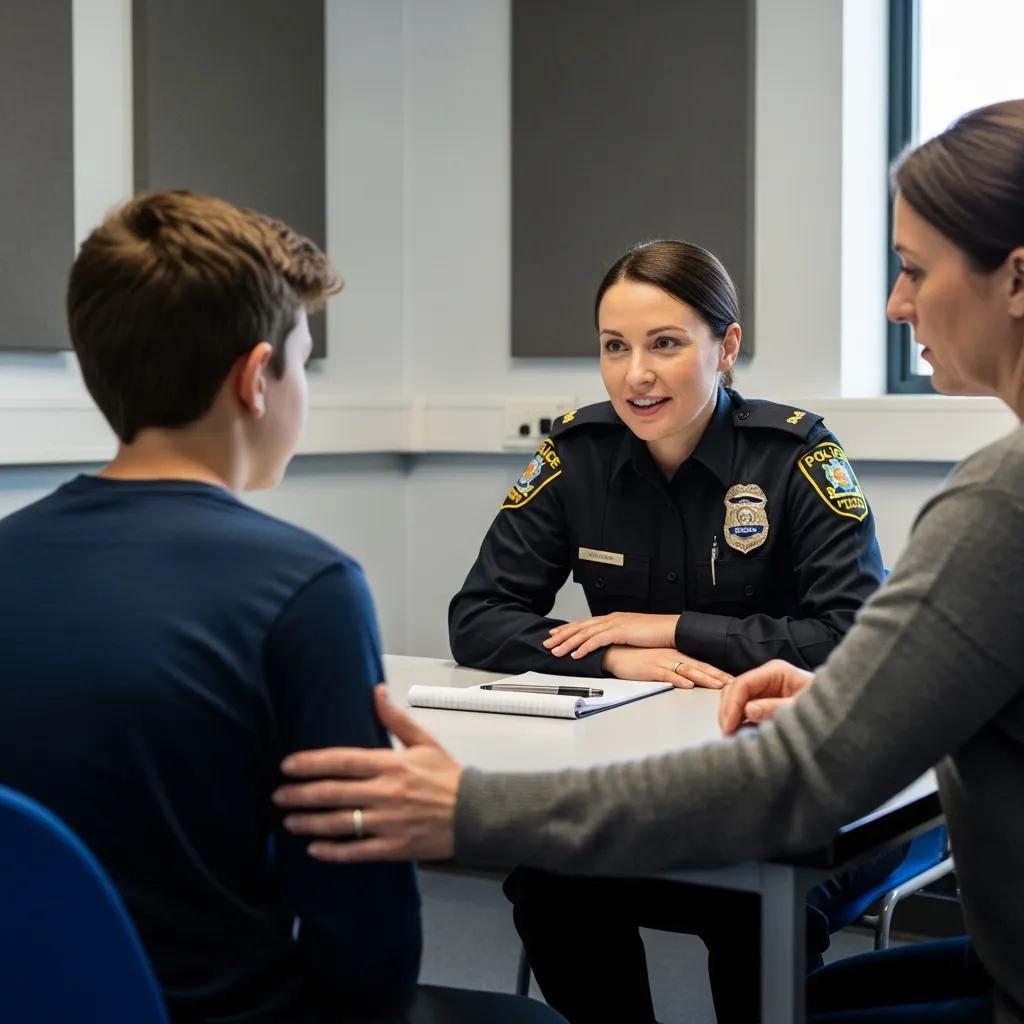
Law enforcement agencies are encouraged to adopt best practices when interacting with juveniles to ensure their rights are respected. These practices include:
- Training on Juvenile Vulnerabilities: Officers should receive training on the unique psychological and emotional needs of minors.
- Encouraging Parental Involvement: Law enforcement should facilitate the presence of a parent or guardian during questioning.
- Clear Communication of Rights: Officers must clearly communicate the rights of juveniles in a manner that is understandable to them.
Implementing these practices not only protects the rights of minors but also fosters a more respectful and effective interaction between law enforcement and youth.
What Are Juvenile Miranda Rights and How Do They Protect Minors?
Juvenile Miranda rights are a set of legal protections that inform minors of their rights during police interrogations. These rights include the right to remain silent and the right to legal counsel. The importance of understanding these rights cannot be overstated, as they serve to protect minors from self-incrimination and ensure that any statements made are voluntary.
When a juvenile is taken into custody, law enforcement must inform them of their Miranda rights. Failure to do so can result in any statements made being deemed inadmissible in court. This legal safeguard is crucial in preventing coercive interrogation practices that could lead to false confessions.
What Is the Scope of Miranda Rights for Juveniles?
The scope of Miranda rights for juveniles is similar to that of adults, but there are important distinctions. While both groups have the right to remain silent and the right to an attorney, the understanding of these rights can vary significantly based on age and maturity.
Juveniles may not fully comprehend the implications of waiving their rights, which can lead to unintentional self-incrimination. Therefore, it is essential for law enforcement to ensure that minors understand their rights clearly before any questioning begins.
How Do Juvenile Miranda Rights Differ from Adult Rights?
Juvenile Miranda rights differ from adult rights primarily in the communication and understanding of those rights. For instance, while adults may be expected to understand their rights, juveniles often require additional explanation and support.
Key differences include:
- Communication Style: Officers should use age-appropriate language when explaining rights to minors.
- Parental Involvement: Unlike adults, juveniles have the right to have a parent or guardian present during questioning, which can help clarify their rights and provide emotional support.
These differences highlight the need for a tailored approach when dealing with juvenile suspects to ensure their rights are adequately protected.
What Are the Police Interview Procedures for Juveniles?
When interviewing juveniles, police must follow specific procedures to ensure compliance with legal standards. These procedures include:
- Determining Custodial Status: Officers must establish whether the juvenile is in custody, as this affects the application of Miranda rights.
- Communicating Miranda Rights: Officers are required to inform the juvenile of their rights clearly and comprehensively.
- Involving Parents/Guardians: Law enforcement should encourage the presence of a parent or guardian during the interview process.
Following these procedures is vital for maintaining the integrity of the interrogation process and protecting the rights of the juvenile.
What Steps Do Police Follow When Questioning a Minor?
The steps police follow when questioning a minor are designed to ensure that the juvenile’s rights are respected. These steps typically include:
- Determining Custody: Assessing whether the minor is free to leave or if they are in custody.
- Informing of Rights: Clearly communicating the juvenile’s Miranda rights.
- Ensuring Voluntariness: Confirming that any statements made by the juvenile are voluntary and not coerced.
These steps are crucial in safeguarding the legal rights of minors during police interactions.
When Is Legal Representation Required During Juvenile Police Questioning?

Legal representation is required during juvenile police questioning in specific circumstances, particularly when the minor is in custody. If a juvenile is subjected to custodial interrogation, they have the right to have an attorney present.
In complex situations, such as those involving serious charges or potential consequences, having legal representation is essential to ensure that the juvenile’s rights are protected and that they receive fair treatment throughout the process.
What Legal Protections Exist for Minors During Police Questioning?
Minors are afforded several legal protections during police questioning, including:
- Right to Remain Silent: Minors can choose not to answer questions without legal repercussions.
- Right to Legal Counsel: They have the right to consult with an attorney before speaking to law enforcement.
- Right to Parental Presence: A parent or guardian can be present during questioning to provide support.
These protections are designed to ensure that minors are treated fairly and that their rights are upheld throughout the interrogation process.
How Does the Law Safeguard Juveniles from Coercion and False Confessions?
The law provides safeguards against coercion and false confessions for juveniles through various legal frameworks. These include:
- Mandatory Recording of Interrogations: Many jurisdictions require that juvenile interrogations be recorded to ensure transparency and accountability.
- Legal Representation: The presence of an attorney can help prevent coercive tactics and ensure that the juvenile understands their rights.
- Parental Involvement: Allowing a parent or guardian to be present can help protect the minor from coercive practices.
These safeguards are essential in maintaining the integrity of the juvenile justice system and protecting vulnerable minors from undue pressure during interrogations.
What Are the Consequences of Improper Juvenile Interrogations?
Improper juvenile interrogations can lead to significant consequences, including:
- Inadmissible Statements: Any statements made during an improper interrogation may be deemed inadmissible in court.
- False Confessions: Coercive tactics can lead to false confessions, which undermine the integrity of the justice system.
- Legal Repercussions for Law Enforcement: Officers may face disciplinary action or legal consequences for failing to adhere to proper interrogation procedures.
These consequences highlight the importance of conducting juvenile interrogations in a manner that respects the rights of minors and adheres to legal standards.
How Can Families Schedule a Juvenile Defense Consultation?
Families seeking legal assistance for juvenile matters can schedule a consultation with a qualified juvenile defense attorney. It is essential to choose an attorney who specializes in juvenile law to ensure that the minor’s rights are adequately protected.
When preparing for a consultation, families should consider the following:
- Gather Relevant Information: Collect any documents or information related to the case.
- Prepare Questions: Write down any questions or concerns to discuss during the consultation.
- Understand the Process: Familiarize yourself with the legal process to better understand what to expect.
BHW Law Firm is dedicated to supporting juvenile clients and their families, providing personalized attention and guidance through the legal process.
What Should Parents Know Before Booking a Legal Consultation?
Before booking a legal consultation, parents should be aware of several key factors:
- Importance of Hiring a Private Attorney: A specialized attorney can provide tailored legal advice and representation.
- Preparation for the Consultation: Parents should gather relevant documents and prepare questions to maximize the consultation’s effectiveness.
- Potential Costs Involved: Understanding the financial aspects of hiring an attorney is crucial for informed decision-making.
Being well-prepared can help parents navigate the legal landscape more effectively and ensure that their child’s rights are protected.
How Does BHW Law Firm Support Juvenile Clients and Their Families?
BHW Law Firm is committed to providing comprehensive support to juvenile clients and their families. The firm offers:
- Personalized Attention: Each case is handled with care and attention to detail, ensuring that the unique needs of the juvenile are met.
- Guidance Through the Legal Process: Families receive clear explanations of the legal process and what to expect at each stage.
- Importance of Parental Involvement: The firm emphasizes the role of parents in supporting their children throughout the legal journey.
By focusing on the specific needs of juvenile clients, BHW Law Firm aims to provide effective legal representation and support for families facing challenging situations.