Understanding the Dying Declaration in Legal Context
A dying declaration refers to a statement made by a person who believes they are about to die, concerning the cause or circumstances of their impending death. In legal terms, these declarations can carry significant weight as they are often seen as reliable due to the declarant's belief in their imminent death, which may compel them to speak the truth.
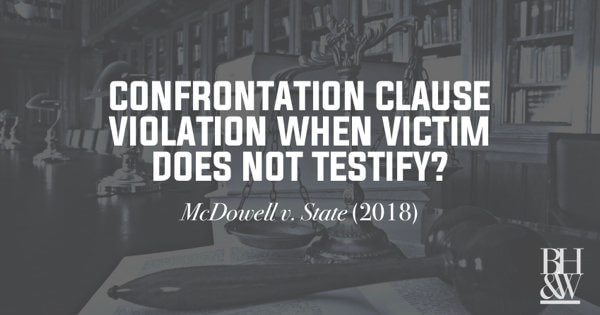
In the case of Michigan v. Bryant, the Supreme Court ruled that dying declarations are considered non-testimonial under the Confrontation Clause, meaning they can be admitted as evidence even if the witness does not testify in court. This ruling emphasizes the importance of the context in which such statements are made and their potential impact on criminal defense strategies.
Implications of the Supreme Court Ruling on Criminal Defense
The Supreme Court's decision regarding dying declarations significantly alters the landscape of criminal defense. By classifying these statements as non-testimonial, defendants may face challenges in contesting the admissibility of such evidence during trials, which could ultimately affect the outcome of their cases.
Defense attorneys must now prepare to address the implications of this ruling, particularly in cases where dying declarations could be used against their clients. Understanding how to navigate this legal terrain is crucial for effective representation in criminal defense cases.
Key Legal Precedents Related to Dying Declarations
Legal precedents surrounding dying declarations have evolved over time, with various cases influencing the current understanding and application of these statements in court. The ruling in Michigan v. Bryant is a pivotal moment, but it is essential to consider other significant rulings that have shaped the interpretation of the Confrontation Clause.
For instance, previous cases have established criteria for what constitutes a testimonial statement, influencing how courts assess the admissibility of evidence. Familiarity with these precedents can empower attorneys to build stronger arguments in favor of or against the use of dying declarations in their cases.
Strategies for Defense Attorneys Post-Ruling
In light of the Supreme Court's ruling, defense attorneys must develop new strategies to address the admissibility of dying declarations in court. This includes thorough preparation in understanding the nuances of the ruling and its implications for their clients' cases.
Moreover, attorneys should consider alternative avenues for challenging the credibility of dying declarations, such as questioning the circumstances under which the statements were made or seeking to introduce counter-evidence that may undermine the prosecution's case. Staying informed about evolving legal standards will be vital for effective defense in such matters.
Understanding the Dying Declaration in Legal Context
A dying declaration refers to a statement made by a person who believes they are about to die, concerning the cause or circumstances of their impending death. In legal terms, these declarations can carry significant weight as they are often seen as reliable due to the declarant's belief in their imminent death, which may compel them to speak the truth.
In the case of Michigan v. Bryant, the Supreme Court ruled that dying declarations are considered non-testimonial under the Confrontation Clause, meaning they can be admitted as evidence even if the witness does not testify in court. This ruling emphasizes the importance of the context in which such statements are made and their potential impact on criminal defense strategies.
Implications of the Supreme Court Ruling on Criminal Defense
The Supreme Court's decision regarding dying declarations significantly alters the landscape of criminal defense. By classifying these statements as non-testimonial, defendants may face challenges in contesting the admissibility of such evidence during trials, which could ultimately affect the outcome of their cases.
Defense attorneys must now prepare to address the implications of this ruling, particularly in cases where dying declarations could be used against their clients. Understanding how to navigate this legal terrain is crucial for effective representation in criminal defense cases.
Key Legal Precedents Related to Dying Declarations
Legal precedents surrounding dying declarations have evolved over time, with various cases influencing the current understanding and application of these statements in court. The ruling in Michigan v. Bryant is a pivotal moment, but it is essential to consider other significant rulings that have shaped the interpretation of the Confrontation Clause.
For instance, previous cases have established criteria for what constitutes a testimonial statement, influencing how courts assess the admissibility of evidence. Familiarity with these precedents can empower attorneys to build stronger arguments in favor of or against the use of dying declarations in their cases.
Strategies for Defense Attorneys Post-Ruling
In light of the Supreme Court's ruling, defense attorneys must develop new strategies to address the admissibility of dying declarations in court. This includes thorough preparation in understanding the nuances of the ruling and its implications for their clients' cases.
Moreover, attorneys should consider alternative avenues for challenging the credibility of dying declarations, such as questioning the circumstances under which the statements were made or seeking to introduce counter-evidence that may undermine the prosecution's case. Staying informed about evolving legal standards will be vital for effective defense in such matters.