
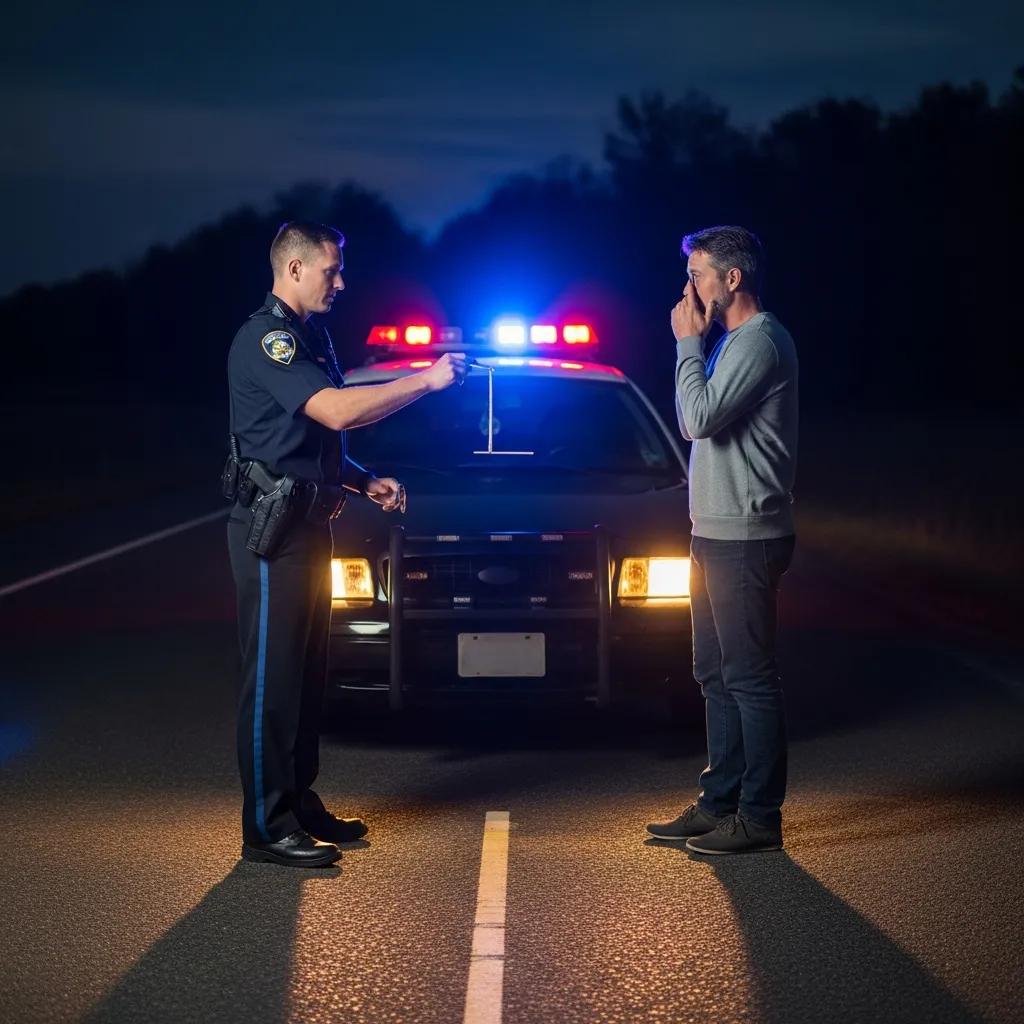
How Refusing Field Sobriety Tests Affects Your DWI Case: Legal Rights, Penalties, and Defense Strategies
Refusing a field sobriety test (FST) during a DWI stop can significantly impact your legal situation. Understanding the implications of this decision is crucial for anyone facing DWI charges. This article will explore your legal rights when refusing an FST, the potential penalties you may face, and effective defense strategies to navigate your case. Many individuals are unaware that refusing an FST can lead to serious consequences, including license suspension and increased penalties. By understanding the laws surrounding FST refusal, you can better prepare for your defense. We will cover essential topics such as implied consent laws, the consequences of refusal, and how legal representation can aid in your case.
Refusing a Field Sobriety Test: Legal Implications and Defense

When it comes to field sobriety tests, individuals have specific legal rights that protect them during a DWI stop. The right to refuse an FST is a fundamental aspect of these rights. Drivers also have the right to remain silent and the right to legal representation. Understanding these rights is essential, as they can influence the outcome of your case.
Legal representation is particularly important if you choose to refuse an FST. An experienced attorney can help you navigate the complexities of DWI laws and ensure that your rights are upheld throughout the process. If you find yourself in a situation where you are unsure of your rights, consulting with a legal professional can provide clarity and guidance.
Potential Penalties
Refusing a field sobriety test can lead to various penalties, which may vary by state. The potential consequences include:
- Arrest Implications: Refusal can lead to immediate arrest, as law enforcement may interpret it as an admission of guilt.
- Limited Evidence Against the Driver: While refusing an FST may limit the evidence available to the prosecution, it does not eliminate the possibility of a DWI charge.
- Administrative Penalties: In many jurisdictions, there are immediate administrative penalties for refusing an FST, but this can vary widely.
Understanding these penalties is crucial for anyone considering refusing a field sobriety test. The next step is to explore how these refusal penalties can affect the overall outcome of a DWI case.
Consequences and Penalties for Refusing a Field Sobriety Test
The consequences of refusing a field sobriety test can be severe. In many states, refusing an FST can lead to automatic license suspension, fines, and other legal repercussions. The specific penalties depend on the state’s implied consent laws, which dictate the consequences of refusing a sobriety test.
Research further elaborates on the prevalence and impact of implied consent laws across the nation.
Implied Consent Laws & DWI Refusal Rates
literature on refusal/implied-consent laws to provide estimates of the prevalence of refusal rates across the nation. Then, we present the current status of implied-consent laws and
Implied-consent laws: a review of the literature and examination of current problems and related statutes, T Kelley-Baker, 2009
License Suspensions and Fines Resulting from FST Refusal
The penalties for refusing a field sobriety test often include:
These penalties highlight the importance of understanding the implications of refusing a field sobriety test. The next section will discuss how refusal penalties can impact the overall outcome of your DWI case.
Indeed, the immediate consequence of refusing a field sobriety test often involves the suspension of driving privileges, as highlighted by legal precedents.
FST Refusal & Driver’s License Suspension
field sobriety tests can refuse to submit to the tests, but the motorist’s driver’s license will be subject to suspension
Walking the Line: The Oregon Supreme Court, Field Sobriety Tests, and the Right Against Self-Incrimination, 1996
How Do Refusal Penalties Affect Your DWI Case Outcome?
Refusal penalties can complicate your DWI case significantly. While refusing an FST may limit the evidence against you, it can also lead to harsher penalties if you are convicted of DWI. Courts may view refusal as an indication of guilt, which can influence the judge’s decision during sentencing.
Understanding the potential ramifications of refusing a field sobriety test is essential for anyone facing DWI charges. The next section will explore effective defense strategies available for individuals who refuse an FST.
Defense Strategies

When facing DWI charges after refusing a field sobriety test, several defense strategies can be employed. Documenting the encounter with law enforcement is crucial, as it can provide valuable evidence in your favor. Additionally, consulting with an attorney who specializes in DWI cases can help you understand your options and build a strong defense.
- Documenting the Encounter: Keeping a detailed account of the events leading up to the refusal can help establish your case.
- Consulting an Attorney: Legal counsel can provide guidance on the best defense strategies tailored to your situation.
- Understanding Common Misconceptions: Many individuals believe that refusing an FST guarantees a better outcome, but this is not always the case.
How Can Legal Counsel Challenge FST Refusal Penalties?
Legal counsel can challenge the penalties associated with refusing a field sobriety test by arguing that the refusal was justified under specific circumstances. For example, if the driver was not adequately informed of their rights or if the test was administered improperly, these factors can be used to contest the penalties.
The scientific and legal scrutiny of standardized field sobriety tests reveals inherent limitations that can be leveraged in defense strategies.
Scientific & Legal Challenges of Field Sobriety Tests
This article details the history and development of the National Highway and Safety Administration’s Standardized Field Sobriety Tests. They are reviewed in terms of relevant scientific, psychometric, and legal issues. It is concluded that the research that supports their use is limited, important confounding variables have not been thoroughly studied, reliability is mediocre, and that their developers and prosecution-oriented publications have oversold the tests. Further, case law since their development has severed the tests from their validation data, so that they are not admissible on the criterion for which they were validated (blood alcohol concentration), and admissible for a criterion for which they were not (mental, physical, or driving impairment). Directions for further research are presented.
The standardized field sobriety tests: a review of scientific and legal issues, 2008
What Case Examples Demonstrate Successful Defense Approaches?
Several case examples illustrate how effective defense strategies can lead to favorable outcomes for individuals who refuse field sobriety tests. In some instances, defendants have successfully argued that their refusal was based on a lack of understanding of the consequences or that the tests were not conducted according to legal standards.
How Can You Schedule a Consultation for DWI Defense After Refusing a Field Sobriety Test?
If you find yourself facing DWI charges after refusing a field sobriety test, it is crucial to seek legal representation. BHW Law Firm specializes in criminal defense with a focus on DWI cases, including legal representation for clients who refuse field sobriety tests. Consulting with an experienced attorney can provide you with the guidance needed to navigate your case effectively.
What Information Should You Prepare for Your Legal Consultation?
When preparing for a legal consultation, gather all relevant information regarding your case, including:
- Details of the DWI stop
- Any documentation related to the incident
- A list of questions you may have for your attorney
This preparation will help your attorney understand your situation better and provide tailored advice.
How Does BHW Law Firm Support Clients Facing FST Refusal Charges?
HLAW Law Firm is dedicated to supporting clients facing DWI charges, including those who have refused field sobriety tests. With a focus on criminal defense, the firm offers comprehensive legal representation to ensure that your rights are protected throughout the legal process. Their expertise in DWI cases can make a significant difference in the outcome of your case.