Legal Consequences of Ignoring Water Barricades
Driving around water barricades during flooding can lead to serious legal repercussions. In Texas, such actions are not only dangerous but are classified as a Class B misdemeanor, which can result in fines, community service, or even jail time. Understanding these legal consequences is vital for drivers to make informed decisions during flood events.
For instance, a Class B misdemeanor in Texas can carry a punishment of up to 180 days in jail and/or a fine of up to $2,000. Moreover, a conviction can have lasting implications, including a criminal record that might affect future employment opportunities and personal freedoms. It is essential for individuals to recognize the importance of adhering to traffic laws designed to protect public safety during adverse weather conditions.
Safety Risks Associated with Driving Around Barricades
Driving around barricades poses significant safety risks not only to the driver but also to emergency responders and other road users. Flooded roads can hide dangerous conditions, such as washed-out sections or submerged debris, increasing the likelihood of accidents and injuries.
For example, vehicles that attempt to navigate through flooded areas may become stranded or swept away by strong currents. This not only endangers the occupants of those vehicles but also complicates rescue operations, putting first responders at risk as they attempt to assist those in peril. Public safety should always take precedence over convenience when faced with such hazardous conditions.
Understanding the Texas Transportation Code
The Texas Transportation Code provides a legal framework for traffic regulations, including those regarding barricades and warning signs. Familiarity with these laws is crucial for drivers, especially during flood situations where compliance can prevent legal issues and enhance personal safety.
Section 472.022 outlines the responsibilities of drivers to obey warning signs and barricades, emphasizing that disobedience can result in criminal charges. By understanding the Transportation Code, drivers can better appreciate the reasoning behind these laws, which are designed to protect both individuals and the community at large during emergencies.
How to Respond to Flood Warnings Effectively
Effective responses to flood warnings can greatly minimize risks and ensure public safety. When authorities issue warnings regarding flooding and barricades, it is imperative for drivers to heed these alerts and seek alternative routes to avoid danger.
For instance, staying informed through local news, weather apps, or official government notifications can help individuals make timely decisions. Additionally, having a plan in place for emergencies, such as knowing evacuation routes or safe places, can significantly enhance safety during flood events. Public education campaigns can further reinforce the importance of compliance with safety measures during such critical times.
Legal Consequences of Ignoring Water Barricades
Driving around water barricades during flooding can lead to serious legal repercussions. In Texas, such actions are not only dangerous but are classified as a Class B misdemeanor, which can result in fines, community service, or even jail time. Understanding these legal consequences is vital for drivers to make informed decisions during flood events.
For instance, a Class B misdemeanor in Texas can carry a punishment of up to 180 days in jail and/or a fine of up to ,000. Moreover, a conviction can have lasting implications, including a criminal record that might affect future employment opportunities and personal freedoms. It is essential for individuals to recognize the importance of adhering to traffic laws designed to protect public safety during adverse weather conditions.
Safety Risks Associated with Driving Around Barricades
Driving around barricades poses significant safety risks not only to the driver but also to emergency responders and other road users. Flooded roads can hide dangerous conditions, such as washed-out sections or submerged debris, increasing the likelihood of accidents and injuries.
For example, vehicles that attempt to navigate through flooded areas may become stranded or swept away by strong currents. This not only endangers the occupants of those vehicles but also complicates rescue operations, putting first responders at risk as they attempt to assist those in peril. Public safety should always take precedence over convenience when faced with such hazardous conditions.
Understanding the Texas Transportation Code
The Texas Transportation Code provides a legal framework for traffic regulations, including those regarding barricades and warning signs. Familiarity with these laws is crucial for drivers, especially during flood situations where compliance can prevent legal issues and enhance personal safety.
Section 472.022 outlines the responsibilities of drivers to obey warning signs and barricades, emphasizing that disobedience can result in criminal charges. By understanding the Transportation Code, drivers can better appreciate the reasoning behind these laws, which are designed to protect both individuals and the community at large during emergencies.
How to Respond to Flood Warnings Effectively
Effective responses to flood warnings can greatly minimize risks and ensure public safety. When authorities issue warnings regarding flooding and barricades, it is imperative for drivers to heed these alerts and seek alternative routes to avoid danger.
For instance, staying informed through local news, weather apps, or official government notifications can help individuals make timely decisions. Additionally, having a plan in place for emergencies, such as knowing evacuation routes or safe places, can significantly enhance safety during flood events. Public education campaigns can further reinforce the importance of compliance with safety measures during such critical times.

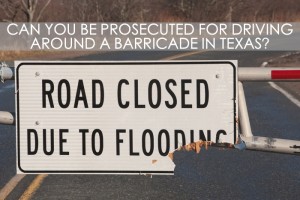 For four years in a row, Texas has experienced significant flooding due to unusual amounts of rainfall. Many people have lost their lives in cars that were swept away in rushing water and many houses have been ruined by flooding across the state. First responders are on high alert and have been involved in numerous high water rescues.