Understanding Miranda Warnings in the Context of Inmate Interrogation
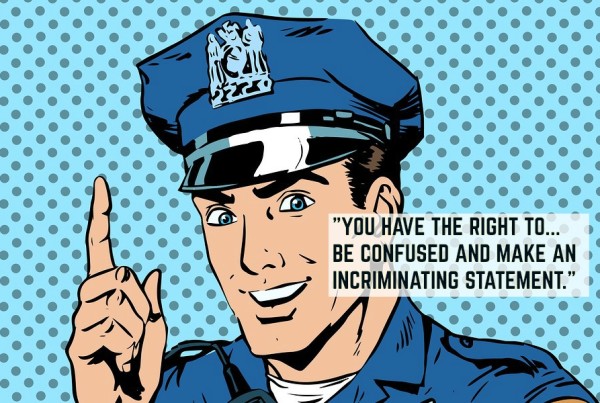
Miranda warnings serve as a critical safeguard for individuals in custody, ensuring they are aware of their rights before being interrogated by law enforcement. In the context of inmates, the application of these warnings can vary significantly based on the circumstances surrounding the questioning. The U.S. Supreme Court's ruling in Howes v. Fields underscores that simply being incarcerated does not automatically trigger the need for Miranda warnings; rather, it is the specifics of the interrogation that determine whether an inmate is considered in custody.
For instance, if an inmate is questioned in a non-threatening environment, such as a comfortable conference room, and is not physically restrained, the courts may find that the interrogation does not constitute custody for Miranda purposes. This distinction emphasizes the importance of context in evaluating whether an inmate's rights have been upheld during questioning, and it is crucial for both law enforcement and defense attorneys to understand these nuances.
The Importance of Context in Determining Custody
The determination of whether an inmate is in custody for the purposes of Miranda warnings is heavily reliant on the context of the interrogation. Factors such as the location of the questioning, the demeanor of the officers, and the overall atmosphere can influence the perception of custody. Courts have consistently ruled that a comprehensive analysis of these elements is necessary to ensure that an inmate's rights are protected during interactions with law enforcement.
For example, in Howes v. Fields, the Supreme Court highlighted that an inmate's perception of freedom during questioning is a key consideration. If the questioning occurs in a setting that feels more like a voluntary conversation rather than an interrogation, the inmate may not feel compelled to assert their rights. This nuanced understanding of custody is essential for legal practitioners as they navigate the complexities of criminal defense and ensure that proper procedures are followed.
Legal Implications of Miranda Violations
When Miranda warnings are not properly administered, the legal implications can be significant. Statements obtained from an inmate without the requisite warnings may be deemed inadmissible in court, which can drastically impact the outcome of a case. Understanding the consequences of Miranda violations is crucial for both defense attorneys and prosecutors, as it can alter the trajectory of legal proceedings.
In cases where a Miranda violation occurs, defendants may have grounds for appeal or motions to suppress evidence. This underscores the importance of adhering to established protocols during interrogations to avoid jeopardizing a case. Legal professionals must be vigilant in ensuring that all rights are respected, as the failure to do so can lead to substantial repercussions for law enforcement and affect the integrity of the judicial process.
Best Practices for Law Enforcement During Inmate Interrogations
To ensure compliance with Miranda requirements, law enforcement agencies must implement best practices during inmate interrogations. This includes training officers to recognize situations where Miranda warnings are necessary and understanding the implications of failing to provide them. Such training is essential in maintaining the legal rights of individuals in custody and upholding the integrity of the justice system.
Additionally, law enforcement should prioritize creating an environment that minimizes perceived coercion during interrogations. By conducting questioning in non-threatening settings and employing respectful communication techniques, officers can foster a more conducive atmosphere for obtaining information while simultaneously safeguarding the rights of inmates. These practices not only protect the legal rights of individuals but also enhance the credibility of the evidence gathered during interrogations.
Understanding Miranda Warnings in the Context of Inmate Interrogation
Miranda warnings serve as a critical safeguard for individuals in custody, ensuring they are aware of their rights before being interrogated by law enforcement. In the context of inmates, the application of these warnings can vary significantly based on the circumstances surrounding the questioning. The U.S. Supreme Court's ruling in Howes v. Fields underscores that simply being incarcerated does not automatically trigger the need for Miranda warnings; rather, it is the specifics of the interrogation that determine whether an inmate is considered in custody.
For instance, if an inmate is questioned in a non-threatening environment, such as a comfortable conference room, and is not physically restrained, the courts may find that the interrogation does not constitute custody for Miranda purposes. This distinction emphasizes the importance of context in evaluating whether an inmate's rights have been upheld during questioning, and it is crucial for both law enforcement and defense attorneys to understand these nuances.
The Importance of Context in Determining Custody
The determination of whether an inmate is in custody for the purposes of Miranda warnings is heavily reliant on the context of the interrogation. Factors such as the location of the questioning, the demeanor of the officers, and the overall atmosphere can influence the perception of custody. Courts have consistently ruled that a comprehensive analysis of these elements is necessary to ensure that an inmate's rights are protected during interactions with law enforcement.
For example, in Howes v. Fields, the Supreme Court highlighted that an inmate's perception of freedom during questioning is a key consideration. If the questioning occurs in a setting that feels more like a voluntary conversation rather than an interrogation, the inmate may not feel compelled to assert their rights. This nuanced understanding of custody is essential for legal practitioners as they navigate the complexities of criminal defense and ensure that proper procedures are followed.
Legal Implications of Miranda Violations
When Miranda warnings are not properly administered, the legal implications can be significant. Statements obtained from an inmate without the requisite warnings may be deemed inadmissible in court, which can drastically impact the outcome of a case. Understanding the consequences of Miranda violations is crucial for both defense attorneys and prosecutors, as it can alter the trajectory of legal proceedings.
In cases where a Miranda violation occurs, defendants may have grounds for appeal or motions to suppress evidence. This underscores the importance of adhering to established protocols during interrogations to avoid jeopardizing a case. Legal professionals must be vigilant in ensuring that all rights are respected, as the failure to do so can lead to substantial repercussions for law enforcement and affect the integrity of the judicial process.
Best Practices for Law Enforcement During Inmate Interrogations
To ensure compliance with Miranda requirements, law enforcement agencies must implement best practices during inmate interrogations. This includes training officers to recognize situations where Miranda warnings are necessary and understanding the implications of failing to provide them. Such training is essential in maintaining the legal rights of individuals in custody and upholding the integrity of the justice system.
Additionally, law enforcement should prioritize creating an environment that minimizes perceived coercion during interrogations. By conducting questioning in non-threatening settings and employing respectful communication techniques, officers can foster a more conducive atmosphere for obtaining information while simultaneously safeguarding the rights of inmates. These practices not only protect the legal rights of individuals but also enhance the credibility of the evidence gathered during interrogations.







 A Fast Miranda Warning is No Warning at All