Understanding the Implications of Age of Consent Laws
Age of consent laws play a crucial role in determining the legality of sexual activities among minors and adults. These laws vary significantly by state, and understanding them is essential for both individuals and legal professionals. They establish the legal threshold at which an individual is considered capable of consenting to sexual activities, which directly impacts legal proceedings in cases of statutory rape and related offenses.
For instance, in states where the age of consent is 16, individuals aged 16 and older can legally engage in sexual activities without the risk of prosecution for statutory rape. However, this does not mean that all sexual relations are devoid of legal scrutiny; other factors, such as the age difference between partners, can complicate matters. Therefore, being informed about the specific laws in one's state is vital to avoid potential legal consequences.
State-Specific Variations in Age of Consent Laws
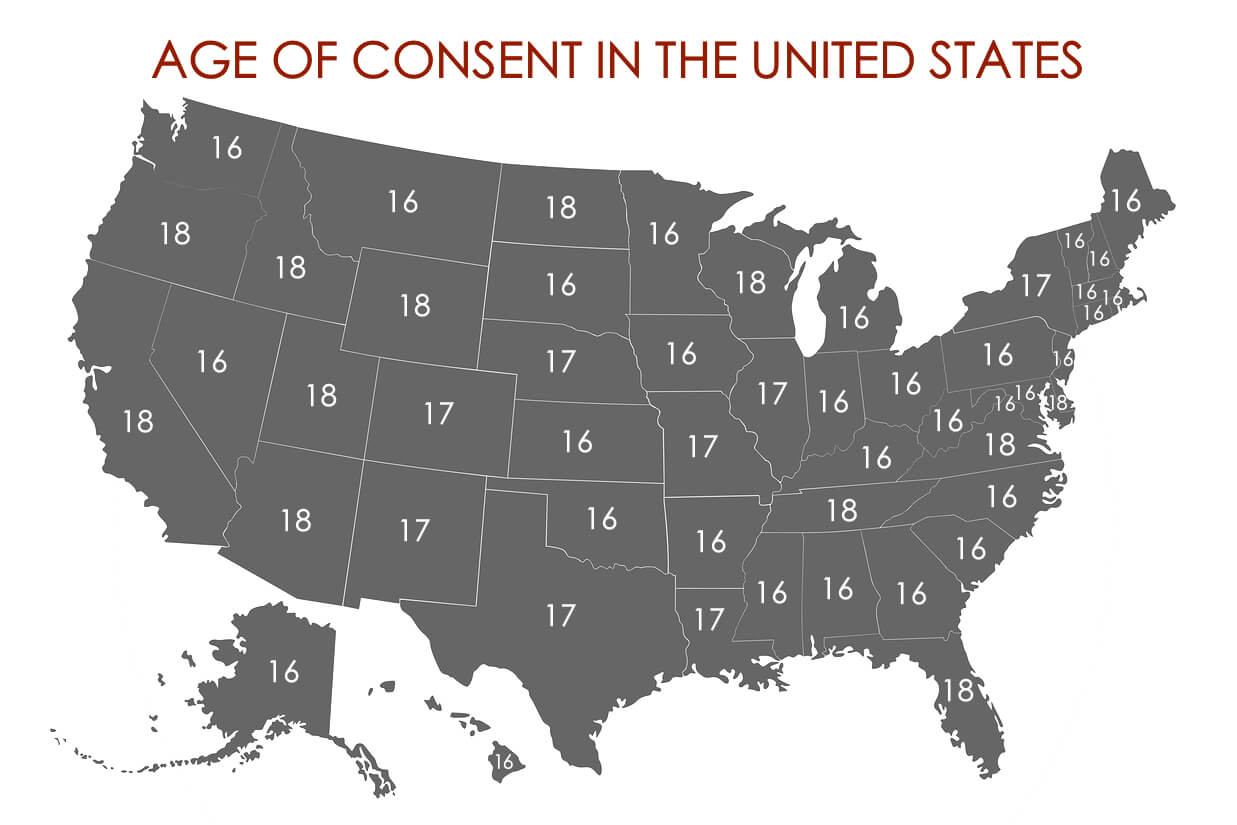
Each state in the U.S. has its own age of consent laws, leading to a complex legal landscape. For example, while the age of consent in California is 18, in North Carolina, it is 16. These variations can create confusion, especially for individuals traveling or moving between states. Understanding these differences is crucial for anyone involved in relationships where age differences may raise legal concerns.
Moreover, some states have unique provisions or exceptions, such as the "Romeo and Juliet" laws, which prevent prosecution for consensual sexual activities between close-in-age partners. Legal practitioners must stay updated on these state-specific regulations to provide accurate advice and representation to their clients, ensuring they understand the implications of engaging in relationships that may fall under these laws.
Consequences of Violating Age of Consent Laws
Violating age of consent laws can lead to severe legal consequences, including criminal charges, sex offender registration, and long-term social repercussions. Individuals accused of statutory rape or related offenses may face significant penalties, including imprisonment, fines, and damage to their personal and professional reputations. Understanding the potential consequences is essential for anyone navigating these complex legal waters.
For example, a conviction for violating age of consent laws can result in mandatory registration as a sex offender, which can have lifelong implications, including restrictions on employment, housing, and social interactions. It's crucial for individuals to seek legal counsel if they find themselves in situations where these laws are applicable, as experienced attorneys can provide guidance on navigating the legal system and mitigating potential consequences.
The Role of Consent in Sexual Relationships
Consent is a fundamental aspect of any sexual relationship, and understanding its legal implications is essential, especially in the context of age of consent laws. Consent must be informed, voluntary, and given without coercion; otherwise, it is not legally recognized. This principle is critical in legal cases involving allegations of sexual misconduct or statutory rape.
In legal terms, the age of consent signifies the age at which an individual is deemed capable of giving consent. However, consent can also be influenced by factors such as mental capacity, intoxication, or manipulation. Therefore, it is vital for individuals to be aware not only of the age of consent but also of the broader context of consent in sexual relationships to ensure that all parties are protected and respected under the law.
Understanding the Implications of Age of Consent Laws
Age of consent laws play a crucial role in determining the legality of sexual activities among minors and adults. These laws vary significantly by state, and understanding them is essential for both individuals and legal professionals. They establish the legal threshold at which an individual is considered capable of consenting to sexual activities, which directly impacts legal proceedings in cases of statutory rape and related offenses.
For instance, in states where the age of consent is 16, individuals aged 16 and older can legally engage in sexual activities without the risk of prosecution for statutory rape. However, this does not mean that all sexual relations are devoid of legal scrutiny; other factors, such as the age difference between partners, can complicate matters. Therefore, being informed about the specific laws in one's state is vital to avoid potential legal consequences.
State-Specific Variations in Age of Consent Laws
Each state in the U.S. has its own age of consent laws, leading to a complex legal landscape. For example, while the age of consent in California is 18, in North Carolina, it is 16. These variations can create confusion, especially for individuals traveling or moving between states. Understanding these differences is crucial for anyone involved in relationships where age differences may raise legal concerns.
Moreover, some states have unique provisions or exceptions, such as the "Romeo and Juliet" laws, which prevent prosecution for consensual sexual activities between close-in-age partners. Legal practitioners must stay updated on these state-specific regulations to provide accurate advice and representation to their clients, ensuring they understand the implications of engaging in relationships that may fall under these laws.
Consequences of Violating Age of Consent Laws
Violating age of consent laws can lead to severe legal consequences, including criminal charges, sex offender registration, and long-term social repercussions. Individuals accused of statutory rape or related offenses may face significant penalties, including imprisonment, fines, and damage to their personal and professional reputations. Understanding the potential consequences is essential for anyone navigating these complex legal waters.
For example, a conviction for violating age of consent laws can result in mandatory registration as a sex offender, which can have lifelong implications, including restrictions on employment, housing, and social interactions. It's crucial for individuals to seek legal counsel if they find themselves in situations where these laws are applicable, as experienced attorneys can provide guidance on navigating the legal system and mitigating potential consequences.
The Role of Consent in Sexual Relationships
Consent is a fundamental aspect of any sexual relationship, and understanding its legal implications is essential, especially in the context of age of consent laws. Consent must be informed, voluntary, and given without coercion; otherwise, it is not legally recognized. This principle is critical in legal cases involving allegations of sexual misconduct or statutory rape.
In legal terms, the age of consent signifies the age at which an individual is deemed capable of giving consent. However, consent can also be influenced by factors such as mental capacity, intoxication, or manipulation. Therefore, it is vital for individuals to be aware not only of the age of consent but also of the broader context of consent in sexual relationships to ensure that all parties are protected and respected under the law.