
Search and Seizure Defense: Protect Your Fourth Amendment Rights with Expert Legal Guidance
Understanding your rights during search and seizure incidents is crucial for protecting your civil liberties. The Fourth Amendment of the U.S. Constitution safeguards individuals against unreasonable searches and seizures, ensuring that law enforcement must have probable cause and, in most cases, a warrant to conduct searches. This article will delve into the key legal principles surrounding search and seizure, effective defense strategies, and the vital role of legal representation in these situations. Many individuals may find themselves confused or intimidated when confronted by law enforcement, leading to potential violations of their rights. By equipping yourself with knowledge about your rights and the legal processes involved, you can better navigate these challenging encounters. We will explore the fundamental aspects of search and seizure law, your rights during warrantless searches, and how to effectively defend against illegal traffic stop searches.
Key Legal Principles
The legal framework governing search and seizure is primarily established by the Fourth Amendment, which protects citizens from arbitrary governmental intrusions. This amendment requires that searches be reasonable and typically mandates a warrant based on probable cause. Understanding the exceptions to this rule is essential, as there are circumstances where law enforcement can conduct searches without a warrant. These exceptions include exigent circumstances, consent, and the plain view doctrine. Each of these principles plays a critical role in determining the legality of a search and the admissibility of evidence obtained during such searches.
Strategies for Defense
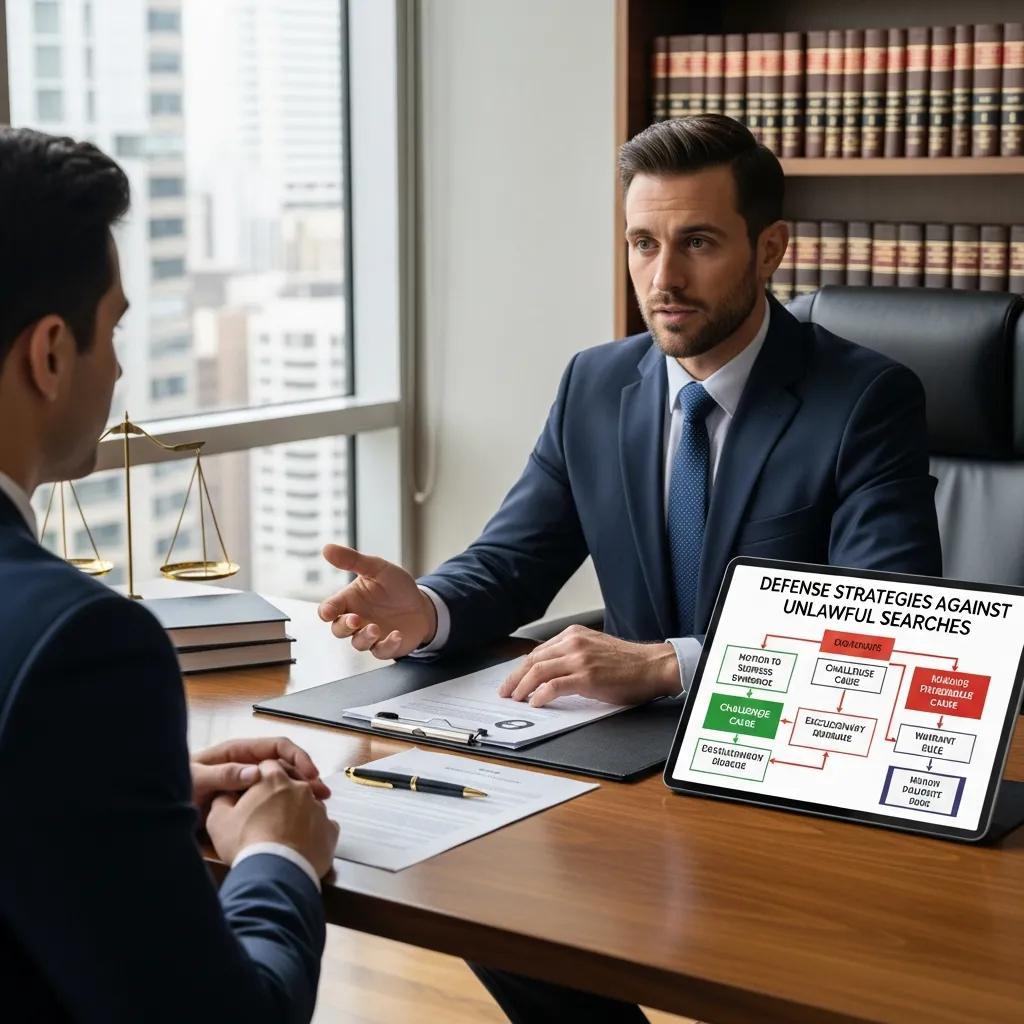
When facing unlawful searches, several defense strategies can be employed to protect your rights. These strategies include:
- Challenging Unlawful Searches: If a search is conducted without a warrant or probable cause, it may be deemed unlawful, and any evidence obtained can be challenged in court.
- Documenting Encounters: Keeping a detailed record of interactions with law enforcement can provide crucial evidence in defending against illegal searches.
- Citing Legal Precedents: Utilizing established case law that supports your defense can strengthen your position in court.
These strategies are vital for ensuring that your rights are upheld during legal proceedings.
Role of Legal Representation
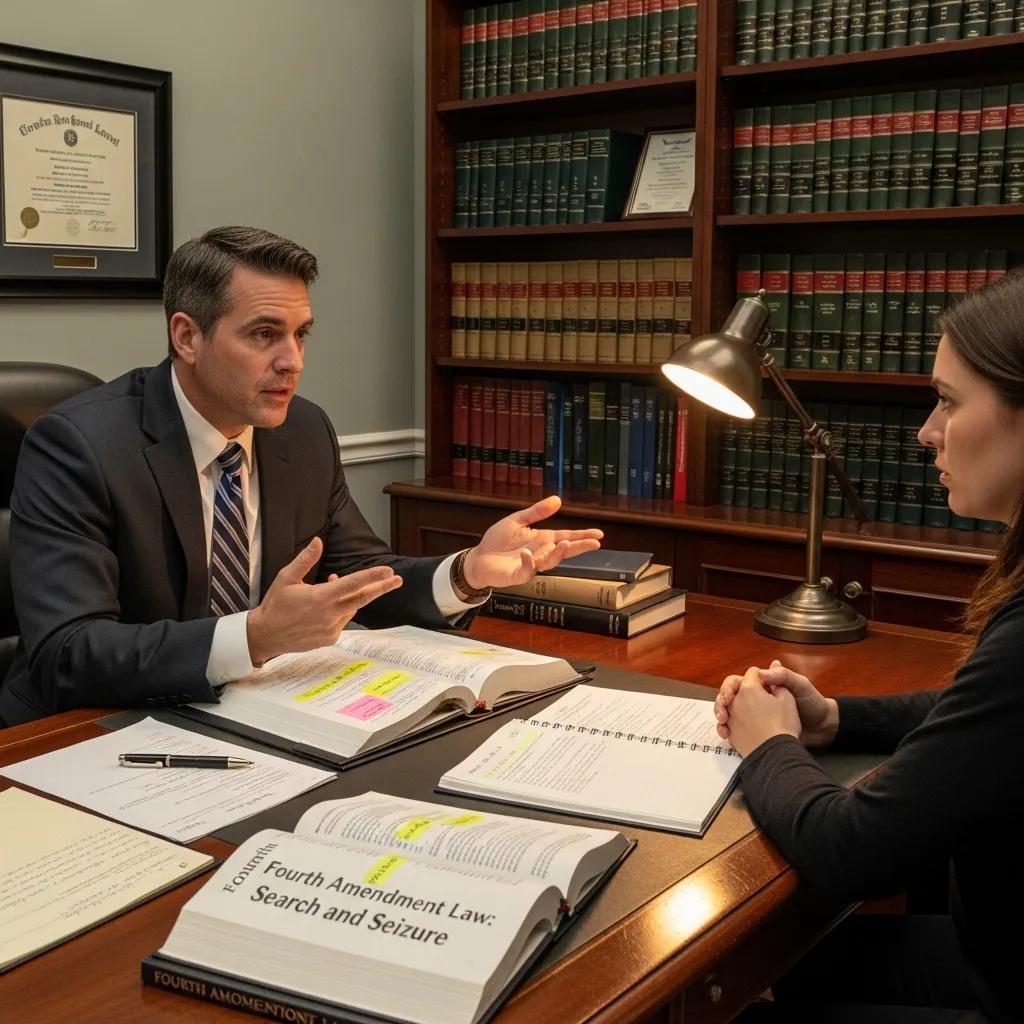
Having expert legal representation during search and seizure cases is essential for effectively navigating the complexities of the law. A qualified attorney can provide invaluable guidance on how to challenge evidence obtained through unlawful searches. They can also help you understand your rights and the legal options available to you. Engaging with a legal professional ensures that you have the support needed to advocate for your rights effectively. If you find yourself in a situation involving search and seizure, consider reaching out to a law firm specializing in criminal defense, which can assist you in developing a robust defense strategy.
What Are Your Rights During a Warrantless Search?
During a warrantless search, individuals have specific rights that must be respected by law enforcement. You have the right to refuse consent to a search if law enforcement does not have a warrant. Additionally, you should be aware that any evidence obtained through an unlawful search may be inadmissible in court. If approached by law enforcement, it is crucial to remain calm and assert your rights clearly. Knowing what to do in these situations can significantly impact the outcome of any legal proceedings that may follow.
How Does the Fourth Amendment Protect Against Unreasonable Searches?
The Fourth Amendment serves as a fundamental protection against unreasonable searches by requiring law enforcement to demonstrate probable cause before conducting a search. This constitutional safeguard ensures that individuals are not subjected to arbitrary invasions of privacy. Understanding the definition of unreasonable searches and the exceptions to warrant requirements is essential for recognizing when your rights may be violated. Legal precedents have established various interpretations of what constitutes an unreasonable search, further emphasizing the importance of legal representation in these matters.
When Can Police Conduct a Warrantless Search?
Police can conduct warrantless searches under specific circumstances, including:
- Exigent Circumstances: Situations where immediate action is necessary to prevent harm or destruction of evidence.
- Consent: If an individual voluntarily consents to a search, law enforcement may proceed without a warrant.
- Plain View Doctrine: If law enforcement officers observe evidence of a crime in plain view while lawfully present, they may seize it without a warrant.
Understanding these conditions can help individuals recognize their rights during encounters with law enforcement.
How Can You Defend Against Illegal Traffic Stop Searches?
Defending against illegal traffic stop searches involves understanding your rights and the legal framework surrounding traffic stops. Key strategies include:
- Knowing Your Rights: Familiarize yourself with your rights during traffic stops, including the right to remain silent and the right to refuse consent to a search.
- Documenting the Encounter: Take note of the details of the traffic stop, including the officer’s name, badge number, and any statements made.
- Consulting an Attorney: If you believe your rights have been violated, seek legal counsel to explore your options for challenging the search.
These steps can significantly enhance your ability to defend against unlawful searches during traffic stops.
What Legal Defenses Apply to Traffic Stop Search Violations?
Several legal defenses can be applied to traffic stop search violations, including:
- Challenging the Legality of the Stop: If the initial stop was not based on reasonable suspicion, any subsequent search may be deemed unlawful.
- Consent Issues: If consent was obtained under duress or without proper understanding, it may not be valid.
- Probable Cause: If law enforcement lacked probable cause to conduct the search, any evidence obtained may be inadmissible.
Understanding these defenses is crucial for effectively challenging illegal searches.
Protecting Your Fourth Amendment Rights Against Illegal Searches
Challenging evidence obtained from an illegal traffic stop search involves several steps:
- Documenting the Encounter: Keep a detailed record of the traffic stop, including the time, location, and circumstances.
- Consulting an Attorney: Seek legal advice to understand the best approach for challenging the evidence in court.
- Filing a Motion to Suppress Evidence: Your attorney can file a motion to suppress any evidence obtained through an unlawful search, arguing that it violates your rights.
These steps are essential for protecting your rights and ensuring that any evidence presented in court is obtained lawfully.
What Is Probable Cause and How Does It Affect Search Legality?
Probable cause is a legal standard that requires law enforcement to have sufficient reason to believe that a crime has been committed or that evidence of a crime will be found in a specific location. This standard is crucial in determining the legality of searches and seizures. Without probable cause, any search conducted may be deemed unlawful, leading to the exclusion of evidence obtained during the search. Understanding the implications of probable cause is vital for recognizing when your rights may be violated.
How to Schedule a Consultation with a Search and Seizure Lawyer?
Scheduling a consultation with a search and seizure lawyer is a straightforward process. Here are the steps to follow:
- Research Potential Lawyers: Look for attorneys who specialize in criminal defense and have experience with search and seizure cases.
- Contact the Law Firm: Reach out to the law firm to inquire about scheduling a consultation. A law firm specializing in protecting clients’ rights during search and seizure incidents can assist you.
- Prepare for the Consultation: Gather any relevant documents or information related to your case to discuss during the consultation.
Taking these steps can help ensure that you receive the legal support necessary to protect your rights.
What to Expect During Your Legal Consultation?
During your legal consultation, you can expect an initial assessment of your case, where the attorney will review the details of your situation. This discussion will typically cover:
- Discussion of Legal Options: The attorney will outline the potential legal strategies available to you based on the specifics of your case.
- Next Steps in the Legal Process: You will be informed about the next steps to take, including any necessary documentation or actions required on your part.
This consultation is an essential opportunity to gain clarity on your legal standing and the options available to you.
How Can Expert Legal Representation Protect Your Rights?
Expert legal representation plays a crucial role in protecting your rights during search and seizure incidents. A knowledgeable attorney can navigate the complexities of search and seizure law, ensuring that your rights are upheld throughout the legal process. They can challenge unlawful searches, advocate for the suppression of illegally obtained evidence, and provide guidance on the best strategies for your defense. Engaging with a skilled attorney can significantly impact the outcome of your case, providing you with the support needed to effectively assert your rights.