Airbag Injuries in Car Accidents: Causes and Legal RemediesWhat Qualifies as a Personal Injury in Texas? A Quick Guide to Claims & Compensation
When accidents or injuries happen, understanding whether your situation qualifies as a personal injury case is crucial. A Texas Personal Injury Case arises when someone is harmed due to another party’s negligence, intentional actions, or strict liability. In this blog post, we’ll break down what qualifies as a personal injury case and provide examples to help you determine your next steps.
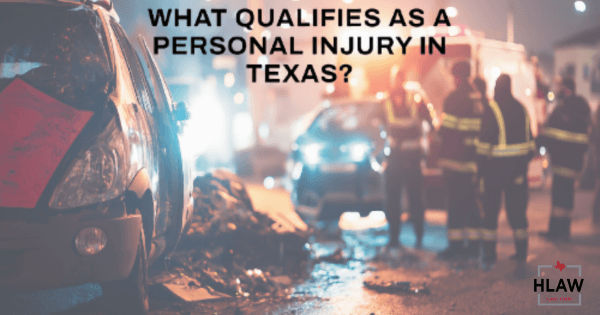
A serious car crash highlights the importance of understanding what legally qualifies as a personal injury in Texas.
The Basics of Texas Personal Injury Cases
A personal injury case typically involves:
- Duty of Care: The responsible party owed a legal duty to act in a way that avoids causing harm to others.
- Breach of Duty: The responsible party failed to meet that duty, either through negligence or intentional actions.
- Causation: The breach of duty directly caused the injury.
- Damages: The injured party suffered measurable harm, such as medical expenses, lost wages, or pain and suffering.
Common Types of Personal Injury Cases in Texas
Car Accidents
One of the most common types of personal injury cases, car accidents occur when a driver acts negligently, such as speeding, texting while driving, or running a red light. Texas law requires drivers to carry liability insurance to cover damages they cause.
Slip and Fall Accidents
Property owners have a duty to maintain safe premises. If you slip, trip, or fall due to hazards like wet floors, uneven surfaces, or poor lighting, you may have a personal injury case under premises liability law.
Workplace Injuries
Texas employers must provide a safe working environment. If an injury occurs on the job, workers may be eligible for workers’ compensation or, in some cases, file a lawsuit for damages if the employer’s negligence was involved.
Medical Malpractice
When healthcare providers fail to meet the standard of care, patients can suffer harm. Examples include surgical errors, misdiagnosis, or medication mistakes. Texas has specific laws governing medical malpractice claims, including damage caps.
Product Liability
If a defective product causes injury, you may be able to file a lawsuit against the manufacturer, distributor, or retailer. Common cases involve faulty machinery, contaminated food, or unsafe toys
Dog Bites and Animal Attacks
Texas law holds pet owners responsible if their animal injures someone, especially if the owner knew the animal had aggressive tendencies.
Wrongful Death
If a loved one dies due to another party’s negligence or wrongful act, surviving family members may file a wrongful death claim to seek compensation for their loss.
Examples of Negligence in Personal Injury Cases
Negligence can take many forms, including:
- Distracted driving (e.g., texting or eating while driving)
- Failing to clean up spills or repair hazards on a property
- Ignoring safety protocols at work
- Manufacturing a product with design flaws
Proving a Personal Injury Case
To successfully pursue a personal injury case, you’ll need to prove:
- The other party’s fault: This often requires evidence such as photos, video footage, police reports, or witness statements.
- Your damages: Medical records, bills, pay stubs, and expert testimony can help establish the financial and emotional impact of your injury.
Damages in Personal Injury Cases
If your case is successful, you may recover:
- Economic damages: Medical expenses, lost wages, property damage, and future earning capacity.
- Non-economic damages: Pain and suffering, emotional distress, and loss of enjoyment of life.
- Punitive damages: Awarded in rare cases to punish extreme negligence or intentional misconduct.
Do You Have a Case?
If you’re unsure whether your situation qualifies as a personal injury case, we would be happy to visit with you and offer a free consultation. We can evaluate your case, explain your legal options, and help you seek the compensation you deserve.
Conclusion
Personal injury cases in Texas cover a wide range of situations, from car accidents to product liability. The key is proving negligence, causation, and damages. If you believe you’ve been harmed due to someone else’s actions, don’t wait to take action—time limits apply to most personal injury claims. Don’t wait – Texas law limits how long you have to file a personal injury claim! Contact us today for a free consultation and get the justice you deserve.
Learn more about filing a personal injury claim in Texas.


 Car insurance premiums, like everything else these days, have reached historic highs. You get your renewal notice in the mail and gasp at the increase. So, you make the call to your insurance agent to see what can be done to save you money.
 Under the typical Texas liability insurance policy both the insurer and the insured have mutual obligations and rights. The insured pays a premium to their insurance company to protect against unexpected losses and claims. On the other hand, the insurance company has a duty to defend against claims covered under the policy and a right to control the defense of litigation should it arise.
 Texas law is clear that every driver must maintain financial responsibility (auto insurance). But, the truth of the matter is that there are thousands of drivers on Texas roads who are underinsured with a minimum policy or not insured at all. What this means is that if you are hit and injured in a car wreck by one of these uninsured or underinsured drivers, you may have to use your own insurance to pay for your medical bills, lost wages, lost ability to work and/or other damages.
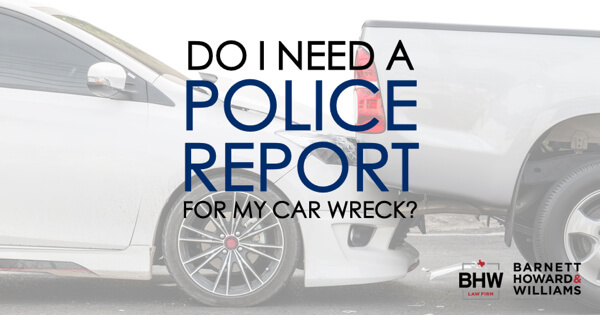
 Many people involved in motor vehicle collisions may not have police or accident reports documenting the specifics of the wreck. Sometimes it could be because the wreck was not reported and the police were never called. Other times, the police may have been called but simply did not respond. Law enforcement agencies often lack the resources to respond to each and every car wreck that occurs in their jurisdiction. More and more police agencies are putting policies into place that do not require them to respond to what the agency deems a “minor” wreck. The problem is that sometimes a wreck that law enforcement deems “minor” may actually have major long-term consequences (and injuries) for the individuals involved.
 Rideshare companies like Lyft and Uber have risen to prominence over the last several years, grabbing a sizable market share from traditional taxi cab and town car companies. Additionally, there has been a surge in food delivery services (like DoorDash) and contract delivery drivers for Amazon. With more and more of these companies offering rides and deliveries from their part-time drivers, we are also seeing accidents involving the drivers for these companies. These accidents can sometimes have confusing liability issues that accompany them. It is important to know how to proceed and what you are entitled to if you are involved in an accident with a rideshare driver, as a passenger or another driver.


 Airbags can often mitigate chances of severe or deadly injuries to the driver and other passengers. According to the

 Car accidents are common sights on Texas roads. Whether on busy highways or country backroads, accidents happen daily. Even though improvements in vehicle safety features continue to lower a driver’s risk of injury or death on roadways, the chances of completely avoiding an injury as a result of a collision are pretty slim. Most drivers will walk away with at least some bruising, small cuts and scrapes, or whiplash. These drivers would most likely consider themselves lucky to have avoided more serious injuries. Unfortunately, though these “minor” injuries are easily seen, they may not necessarily be the complete extent of a person’s injuries.