Even minor accidents can leave lasting pain. Learn how whiplash, sprains, and disc injuries can impact your health and your Texas injury claim.
When people picture a “serious”car accident, they often imagine mangled vehicles, shattered glass, or a trip to the emergency room. But in reality, even a collision that leaves only a small dent in your bumper can cause lasting and painful injuries. Among the most overlooked are soft tissue injuries—damage to muscles, ligaments, and discs that don’t show up on an X-ray but can change the course of your daily life.
In Texas, many accident victims find themselves facing months of pain, physical therapy, and financial strain from these hidden injuries. If you’ve been in a wreck, it’s important to understand why soft tissue injuries after a car accident should never be taken lightly.
What Are Soft Tissue Injuries?
“Soft tissue” refers to the muscles, ligaments, and tendons that support your body and allow you to move. In a car accident, these tissues can stretch, tear, or become inflamed from the sudden forces involved—even when vehicles are traveling at low speeds.
Common examples include:
Whiplash – Neck strain caused by the rapid back-and-forth motion of the head
Sprains and Strains – Overstretched or torn ligaments and tendons in the back, shoulders, or extremities.
Disc Injuries – Herniated or bulging discs in the spine that press on nerves and cause radiating pain.
Why They’re So Dangerous
The hidden risk of soft tissue injuries is that symptoms don’t always appear right away. Adrenaline and shock can mask pain immediately after a crash. In some cases, it takes days or even weeks before stiffness, soreness, or radiating pain becomes obvious.
By the time symptoms set in, an injured person may have already downplayed the accident to insurance companies—or worse, signed away their rights to fair compensation.
In Texas, we often see insurance adjusters argue that if the car wasn’t badly damaged, the driver couldn’t have been badly hurt. But medical science says otherwise: it’s possible to suffer serious whiplash or disc injuries even in low-impact accidents.
Warning Signs of a Soft Tissue Injury
If you’ve been in an accident, watch for:
Stiffness or reduced range of motion in your neck, shoulders, or back
Persistent headaches, often linked to whiplash
Numbness, tingling, or shooting pains in your arms or legs
Swelling or bruising around joints
Ongoing fatigue or difficulty sleeping due to discomfort
Protecting Your Health and Your Claim
If you experience delayed symptoms after a wreck, here’s what you should do:
Seek medical care immediately. A doctor can diagnose soft tissue injuries with MRIs, CT scans, or physical evaluations.
Document everything. Keep records of your symptoms, medical visits, and time missed from work.
Don’t dismiss the accident as “minor.” Even if your car looks fine, your body may not be.
Consult an attorney. A lawyer familiar with Texas car accident cases can help protect your right to a fair whiplash claim in Texas or compensation for other soft tissue injuries.
How Our Firm Can Help
At Howard, Lotspeich, Alexander & Williams, PLLC (HLAW), we know how insurance companies work—and we know how to fight back. We’ve seen firsthand how clients suffer from soft tissue injuries that others tried to minimize. We take the time to understand your pain, gather the medical evidence, and build a case that reflects the true impact of your injuries.
Texas Child Personal Injury Claims: A Parent’s GuideConclusion
The hidden danger of soft tissue injuries is real: they may not show up right away, but they can cause long-lasting pain and disruption to your life. Don’t let the insurance company dismiss your claim just because your car wasn’t totaled. If you’ve been in a wreck and are experiencing pain, reach out for help today.
Contact us for a free consultation. We’ll review your case, explain your rights, and fight to make sure you get the compensation you deserve.
Dashcam video can be critical evidence in Texas car and truck accident claims.
Dashcams are everywhere now—from commuters on I-35W to rideshare drivers on West 7th in Fort Worth, Texas. When a crash happens, those few seconds of video can be the difference between a strong claim and a tough fight. Below is a practical, Texas-specific guide to using dashcam footage the right way: is it legal to record, how courts admit it, how to preserve it so it actually holds up, and how we present it to insurers and juries.
Is it legal to use a dashcam in Texas?
Recording is generally legal.Texas is a “one-party consent” state for recording conversations. If youare a party to the conversation (or one party consents), audio recording is lawful. Texas Penal Code §16.02 and related guidance confirm one-party consent, and Texas also provides a civil cause of action against illegal interceptions in Chapter 123 of the Civil Practice & Remedies Code.
Mind the windshield.Texas restricts objects or materials on the windshield that obstruct the driver’s view. If your dashcam (or its mount, cord, or stickers) materially obstructs your view, that can be a traffic offense—and in a lawsuit, the defense may argue the placement contributed to the crash. See Transportation Code §547.613 (Restrictions on Windows).
Privacy pitfalls.Audio of passengers is usually fine if you’re in the conversation, but secretly recording other people’sprivate conversations can trigger criminal and civil liability. (There’s a private civil cause of action for unlawful interception, with statutory damages, under CPRC §123.002.)
When is dashcam footage admissible in a Texas court?
Texas courts admit dashcam video under the ordinary Rules of Evidence—no special “tech rules” required. We focus on four pillars: relevance, authentication, best-evidence, and hearsay.
Relevance (Rules 401–403).The clip must make a disputed fact more or less probable (e.g., who had the green light) and its probative value can’t be substantially outweighed by risk of unfair prejudice or confusion.
Authentication (Rule 901).You must show the video “is what you claim it is.” You can do this with:
Witness testimony(you installed the dashcam; the location/time look right).
Evidence about a process or systemshowing the camera reliably records (Rule 901(b)(9)). Texas courts accept the “silent-witness” theory for video—no eyewitness to the events is required if the system’s reliability is proved.
Helpful Texas cases:
Fowler v. State—Court of Criminal Appeals discussed authenticating store surveillance video under Rule 901;
Tienda v. State—Texas’s leading case on authenticating digital evidence based on circumstantial markers; the same logic applies in civil cases.
Best-evidence rules (Rules 1001–1004).Courts treat “photographs” to include video in any form. For electronically stored information, an “original” includes any accurate printout or visual output; duplicates are generally admissible unless authenticity is reasonably questioned.
Hearsay (Rules 801–803).The videoitself isn’t hearsay. But spoken wordscaptured on the audio track can be. Common paths around hearsay:
Opposing party’s statements(801(e)(2))—admissible when offered against them.
Business records(803(6))—often useful for commercial fleet cams with automated logging and custodian affidavits (Rule 902(10)).
Preservation: how to keep your dashcam clip admissible (and avoid spoliation)
Once a crash happens—and certainly once a claim is reasonably anticipated—you have a duty to preserve relevant evidence. Texas’s spoliation doctrine (from Brookshire Brothers, Ltd. v. Aldridge) allows courts to impose sanctions or adverse inferences if evidence is lost or altered.
Our recommended preservation protocol (do these immediately):
Secure the source media.Remove the SD/microSD card and write-protectit (use a lockable adapter). Don’t keep recording over it. Make two verified, read-only copies.
Hash the files.Create SHA-256 hashesfor the original and each copy; record them in a simple chain-of-custody log (who handled what, when, and where). Courts respond well to this discipline even in civil cases.
Keep it native.Preserve the nativefile(s) with the original metadata (timestamp, GPS, device info). Screenshots or re-exports may be fine for negotiation, but they’re secondary for court. The Rules of Evidence prefer the original or a faithful duplicate.
Don’t edit.No cropping, filtering, speed-ups, or “compilations” in your working copy. If we later prepare a demonstrative clip, we’ll also offer the unedited original to avoid Rule 403 issues.
Send preservation letters.If another driver, a trucking company, or a rideshare platform may have video (exterior cameras, dashcams, storefront cams), we send preservation lettersright away to stop routine deletion. Brookshire teaches that the duty to preserve arises when litigation is reasonably anticipated.
Producing and obtaining dashcam video in discovery
Texas discovery has special rules for electronic data:
Rule 196.4 (TRCP)governs ESI. The requesting party should specify the form(e.g., native .MP4 with metadata). The responding party must produce what’s reasonably available or object if the request is unduly burdensome; courts apply proportionality.
For business-record dashcams(e.g., fleet systems), we often use a custodian affidavitunder TRE 803(6) & 902(10), served at least 14 days before trial.
How we present dashcam evidence so it persuades
Foundation first.We authenticate with either (a) a witness familiar with the device and scene, or (b) the “process/system” route under Rule 901(b)(9)with device specifications, settings, and integrity steps (hashes, chain-of-custody).
Context matters.We prepare a timeline synced to key frames (light phases, speeds, distances) and, when helpful, pair it with intersection diagrams or event-data-recorder (EDR) readouts.
Avoiding 403 traps.We show the full, unedited clip and supply a short demonstrative if needed. Providing full context reduces “misleading” objections.
Audio strategy.If the audio includes the other driver’s admissions (“I never saw you”), those are typically non-hearsay as opposing-party statements (801(e)(2)). Statements from bystanders may require a hearsay exception—or we rely on the videoand call the witness.
Comparative fault defense.Be ready: if your camera placement arguably obstructed your view, the defense may argue negligence. Proper mounting (see §547.613) and clear testimony about line-of-sight help neutralize this.
Practical FAQs
Q: My dashcam overwrites footage every few hours. What now?
Pull the power, remove the card, and preserve immediately. If it is overwritten, ask us about subpoenas/preservation letters to nearby businesses, city traffic cams, or the other driver’s telematics/dashcam. Texas spoliation law rewards early, reasonable preservation efforts.
Q: Do I have to give the insurer my video right away?
We usually control the releaseuntil we’ve reviewed the liability and damages strategy. If we share early, we provide a faithful and accurate copy and preserve the original per the best-evidence rules.
Q: The clip has my passenger talking. Is that a problem?
Not usually. Texas is one-party consent; if you were a participant, the recording is lawful. If someone else’s private conversation was captured (and you were not a party), talk to us before sharing.
Q: Can the court reject my video because it’s a copy?
Not if it’s an accurate duplicate and authenticity isn’t in reasonable dispute (Rule 1003). If authenticity is challenged, we offer the original or explain why it’s unavailable under Rule 1004.
Bottom line
Dashcam footage can make your Texas car accident case—but only if it’s lawfully recorded, properly preserved, and cleanly authenticated. Our team at the HLAW law firm builds the evidentiary foundation from day one so insurers and juries see what really happened—clearly and credibly.
If you have dashcam video from a crash (or think someone else does), contact our office right away. We’ll lock down the evidence, send preservation letters, and put it to work for your case.
Key Texas Authorities (for readers who want to dig deeper)
Have You Been in a Car or Truck Accident in Texas?
Dashcam footage can be a game-changer—but only if it’s preserved and presented correctly. If you’ve been injured in a car or truck accident, don’t wait. Insurance companies and defense attorneys will act fast to minimize your claim.
📞 Contact HLAW today for a free consultation.Our experienced personal injury attorneys will review your case, secure critical evidence like dashcam video, and fight to get you the compensation you deserve.
Your first call costs nothing—and it could make all the difference in your recovery.
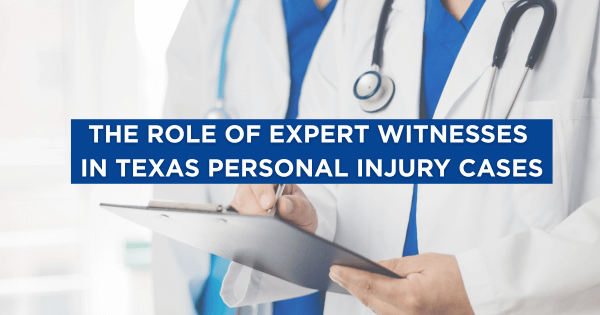
Expert witnesses—such as medical professionals, engineers, and accident reconstructionists—play a critical role in proving Texas personal injury claims.
How Medical, Engineering, and Accident Reconstruction Experts Can Strengthen Your Case
When you’ve been injured in an accident—whether in a car crash, trucking accident, a workplace incident, or on someone else’s property—your claim often comes down to one question: Can you prove it?In Texas personal injury cases, proving fault and the extent of your damages isn’t just about telling your story—it’s about presenting credible, persuasive evidence. That’s where expert witnessesplay a critical role.
Under Texas law, an “expert”is someone who has “scientific, technical, or other specialized knowledge” that will help the judge or jury understand the evidence or determine a fact in issue (see Texas Rules of Evidence, Rule 702). These experts provide opinions grounded in their professional training and experience—opinions that can make or break your case.
1. Why Expert Witnesses Matter in Texas Personal Injury Cases
Expert witnesses are different from regular witnesses. Regular witnesses can only testify about what they personally saw, heard, or experienced. Experts, on the other hand, can:
Reconstruct accidents to show how and why they occurred.
The Texas Supreme Court has emphasized that expert testimony must be reliableand relevant—meaning it must be based on sound methodology and actually help the factfinder (see E.I. du Pont de Nemours & Co. v. Robinson, 923 S.W.2d 549 (Tex. 1995)).
2. Types of Expert Witnesses That Can Strengthen Your Case
A. Medical Experts
In most personal injury claims, medical testimony is key to proving the nature and extent of your injuries. Medical experts can:
Explain how an accident caused your injuries.
Detail your required treatment and recovery time.
Estimate the costs of ongoing or future care.
Connect your injuries to the event, countering insurance company claims that they were “pre-existing.”
In Texas, medical causation often requires expert testimony—especially for complex or non-obvious injuries (Guevara v. Ferrer, 247 S.W.3d 662 (Tex. 2007)).
B. Engineering Experts
Engineering experts analyze structures, machinery, and environmental conditions that may have contributed to your accident. They are invaluable in:
Construction accidents (scaffolding failure, code violations).
Texas premises liability law (see Texas Civil Practice & Remedies Code § 75.002and § 101.022) often hinges on whether a property owner knew of and failed to correct a dangerous condition—an engineering expert can help prove this.
C. Accident Reconstruction Experts
Accident reconstructionists use physics, engineering principles, and crash data to recreate the events leading up to an accident. They can:
Analyze skid marks, debris patterns, and vehicle damage.
Determine speed, direction, and impact points.
Create computer simulations or visual exhibits for trial.
These experts are particularly useful in auto and trucking accident cases governed by Texas Transportation Codeand federal motor carrier safety regulations.
3. How Expert Testimony Influences Texas Juries and Judges
In Texas, juries decide most personal injury cases. A well-qualified expert can help:
Break down complicated technical language into clear explanations.
Provide visual aids, diagrams, and 3D models to make the evidence memorable.
Establish credibility with unbiased, fact-based opinions.
An expert’s ability to explain “why” something happened—and back it up with evidence—can dramatically strengthen your position at mediation, in settlement negotiations, or at trial.
4. The Legal Requirements for Admissible Expert Testimony
Texas courts apply a strict standard for admitting expert testimony. Rule 702 requires that:
The expert is qualified by knowledge, skill, experience, training, or education.
The testimony is based on a reliable foundation.
The testimony will assist the trier of fact.
Courts also apply the factorsto evaluate reliability, which include:
Testing of the expert’s theory.
Peer review and publication.
Potential rate of error.
General acceptance in the relevant community.
If your attorney doesn’t choose the right expert or prepare them properly, your evidence could be excluded—leaving you without the proof you need.
5. Why You Should Consult Our Firm for Free If You’ve Been Injured And Might Need An Expert
At Howard, Lotspeich, Alexander & Williams, PLLC (HLAW), we know which experts can make the difference in your case. We regularly work with respected medical professionals, engineers, and accident reconstructionists across Texas who have the experience and credibility to stand up in court.
Here’s why consulting with us—at no cost to you—is the smartest move:
We cover the upfront costsof hiring the right experts for your case.
We know the local courts and judges, so we understand which experts resonate best in front of a Tarrant County and North Texas juries.
We only get paid if we win—meaning we’re invested in making sure your case is supported by the strongest evidence possible.
Whether you’ve been in a serious car crash, trucking accident, suffered an injury on the job, or been hurt by a defective product, having the right expert testimony can be the deciding factor. Don’t take chances with your case.
Free Consultation:
If you or a loved one has been injured, contact HLAWtoday for a free, no-obligation case review. We’ll explain whether expert witnesses could help in your situation—and how we can put them to work for you. Call us at 817-993-9249or fill out our online form to get started.
Insurance companies often use surveillance to monitor personal injury claimants—know your rights and how to protect your case.
How Insurance Companies Monitor Claimants and How to Protect Yourself
1. Why Do Insurance Companies Use Surveillance?
Surveillance is a frequent tool employed by insurers in personal injury cases to assess the validity of claims and guard against fraud—even in honest cases. These investigations typically target injuries that are subjective (like chronic pain or soft-tissue injuries) or claims involving large payouts .
Insurance companies may deploy private investigators to observe claimants’ daily activities—tailing them in public, taking photos or videos, or even requesting field visits, like home visits, particularly in long-term disability or workers’ compensation claims .
Defense counsel also rely on surveillance to challenge credibility by capturing footage suggesting the claimant is more active than their alleged injuries permit.
2. Common Surveillance Tactics in Texas
Physical Surveillance: Private investigators may station themselves in public areas, follow claimants, or stake out known routines—all technically legal if conducted from public spaces.
Video & Photographic Surveillance: Filming or photographing a claimant engaged in activities that contradict their medical claims (e.g., heavy lifting, sports, yard work) can be powerful evidence for insurers.
Social Media Monitoring: Insurance companies often scour social media for posts, photos, or comments that might be leveraged against a claimant’s injury narrative.
Interviews with Acquaintances: Insurers may contact friends, family, or neighbors to gather informal statements or observations—sometimes unintentionally undermining your case.
Field Visits: Investigators may visit your home under the guise of follow-up, taking note of your environment or daily habits—potentially used to raise doubts about your limitations.
Electronic Tracking: While more common in auto insurance contexts, insurers may obtain driving behavior data—sometimes collected without informed consent—and use it to assess claims or adjust premiums.
3. What Texas Law Allows—and Limits
Surveillance from public spaces is generally lawful. Private property surveillance, trespassing, or recording in private areas (like inside your home) is typically prohibited.
Video evidence could be admissible in personal injury litigation, but Texas courts typically require trial judges to review surveillance before excluding it.
Data privacy protections in Texas are evolving: lawsuits have been filed against Allstate and GM for allegedly collecting and using driver location data without consent—potentially impacting surveillance practices in insurance.
4. How to Protect Yourself: Best Practices
Stay Modest in Public – Follow your doctor’s restrictions consistently. Avoid activities—even on good days—that may appear inconsistent with your injuries.
Limit & Secure Your Social Media – Set your accounts to private. Avoid posting about your health, recovery, or activities. Be cautious of well-intentioned friends sharing photos involving you.
Stick to the Facts – Don’t embellish your story to adjusters or others. Consistency is key—contradictory statements make credibility easier to attack.
Know What IS Protected – Investigators cannot legally record inside your home areas where you have a reasonable expectation of privacy, hack your digital accounts, or enter without consent.
Consult an Attorney Promptly – If you suspect you’re under surveillance, inform your attorney rather than confront anyone—lawyers can help challenge improper evidence or even turn surveillance to your advantage in negotiations or at trial.
Document Your Condition – Maintain clear records of medical appointments, treatments, and limitations. Having contemporaneous documentation can help counter misinterpretations of surveillance footage .
5. Summary
Surveillance in personal injury cases is common in Texas. Insurance companies may monitor claimants physically, digitally, or through third-party reports to challenge injury claims—even legitimate ones. While much of this activity is legally permissible when carried out in public spaces, there are boundaries—especially regarding privacy violations.
Staying informed, cautious, and consistent—especially regarding your public behavior and online presence—is essential. Our attorneys at Howard Lotspeich Alexander & Williams, PLLC (HLAW) can help you navigate surveillance threats and protect your interests throughout the claims process. Contact us today for a free case evaluation and consultation.
Boating accidents on Texas lakes and rivers can lead to serious injuries. Our attorneys explain who may be liable and how to protect your rights.
Boating is a favorite pastime across Texas — from the shores of Eagle Mountain Lake and Possum Kingdom Lake to the Gulf Coast. But when fun on the water turns into tragedy, victims and their families often face serious injuries, costly medical bills, and tough legal questions about who is responsible.
Under Texas law, boating accident liability can be complex, involving state boating regulations, general negligence principles, and in some cases, criminal statutes for intoxicated operation. Here’s what you need to know if you’ve been involved in a recreational accident on Texas lakes, rivers, or coastal waters.
Texas Boating Laws at a Glance
The Texas Parks and Wildlife Department (TPWD) enforces state boating laws found primarily in Texas Parks & Wildlife Code, Chapter 31. These laws govern everything from boat registration to safety equipment requirements. For accident liability, key provisions include:
Operating a Vessel in a Negligent or Reckless Manner – Under Tex. Parks & Wild. Code § 31.099, it is an offense to operate a boat in a way that endangers the life, limb, or property of another person. This includes excessive speed, unsafe turns, or creating hazardous wakes.
Boating While Intoxicated (BWI) – Similar to driving a car, operating a boat while intoxicated is prohibited under Tex. Penal Code § 49.06. A person is considered intoxicated if they have a blood alcohol concentration (BAC) of 0.08% or more, or if they lack the normal use of mental or physical faculties due to alcohol or drugs. BWI is a criminal offense that can also form the basis for civil liability.
Duty to Render Aid and Report Accidents – Under Tex. Parks & Wild. Code § 31.104, boat operators involved in an accident must stop, render aid, and exchange information. § 31.105requires reporting any accident involving death, disappearance, or injury requiring more than first aid to TPWD within 48 hours, and property damage over $2,000 within 30 days.
Civil Liability for Boating Accidents
When a boating accident occurs, victims may bring a personal injury or wrongful death claimunder Texas negligence law. To establish liability, you must generally prove:
Duty of Care– The boat operator owed passengers and others on the water a duty to operate safely.
Breach of Duty– The operator violated that duty, for example by speeding, failing to maintain a proper lookout, or boating while intoxicated.
Causation– The breach directly caused the accident and resulting injuries.
Damages– You suffered measurable harm (medical expenses, lost wages, pain and suffering, etc.).
Who Can Be Held Liable?
Boating accident claims often involve multiple responsible parties:
The Boat Operator – If the operator acted negligently or recklessly, they may be directly liable.
The Boat Owner – Even if they weren’t driving, an owner who negligently entrusted the vessel to an incompetent or intoxicated operator can be held liable under the doctrine of negligent entrustment.
Marinas, Rental Companies, or Tour Operators – Businesses that rent or charter boats can be liable for negligent maintenance, failure to provide safety instructions, or renting to unqualified or intoxicated individuals.
Other Negligent Parties – Liability may extend to other boaters whose actions contributed to the collision or to manufacturers of defective equipment under Texas product liability law(Tex. Civ. Prac. & Rem. Code Chapter 82).
Boating While Intoxicated: Civil and Criminal Consequences
BWI is not only a criminal offense but strong evidence of negligence in a civil claim. A conviction can support a finding of negligence per se, meaning the violation of the statute is presumed to be negligent if it caused the injuries.
In cases involving gross negligence—conduct showing conscious indifference to the rights or safety of others—Texas law allows for exemplary damagesunder Tex. Civ. Prac. & Rem. Code § 41.003.
Common Boating Accident Scenarios in Texas
Collisions between two vessels
Boat striking a dock, swimmer, or fixed object
Falls overboard leading to drowning
Water skiing or tubing accidents
Mechanical failure due to poor maintenance
Accidents caused by intoxicated or inexperienced operators
Steps to Take After a Boating Accident
Seek Medical Attention Immediately– Even minor injuries can worsen if untreated.
Report the Accident– Follow the reporting requirements under Texas law.
Gather Evidence– Take photos, collect witness statements, and preserve any available video (including GoPro or cell phone footage).
Avoid Giving Recorded Statements to Insurers– Consult a lawyer first.
Contact a Texas Boating Accident Attorney– An attorney can investigate, identify liable parties, and pursue full compensation.
Bottom Line
Texas boating accident cases blend elements of personal injury law, maritime safety regulations, and sometimes criminal law. Whether your accident happened on Lake Texoma, the Brazos River, or along the Gulf Coast, identifying the responsible parties and proving negligence is key to recovery.
If you or a loved one has been injured in a boating accident, Howard, Lotspeich, Alexander & Williams, PLLCcan help you navigate the legal waters and fight for the compensation you deserve. We offer free consultations and case evaluations and we don’t get paid unless you do. If you or a friend or family member has been seriously injured in a boating accident, contact us for a free consultation.
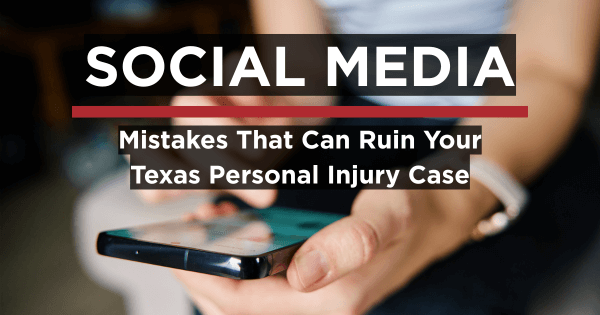
Posting on social media during your injury case can cost you—learn the biggest mistakes to avoid.
Real-World Examples, Legal Pitfalls, and How to Protect Your Claim
In today’s connected world, social media is second nature. Whether it’s a quick photo on Instagram, a status update on Facebook, or a short video on TikTok, we often share snippets of our lives without a second thought. But if you’ve been injured in an accident in Texas and are pursuing a personal injury claim, social media can be your worst enemy.
What you post—intentionally or not—can severely damage your case. Insurance adjusters, defense attorneys, and investigators are scouring public profiles to find anything they can use to deny or reduce your compensation.
In this blog, we’ll share real-world examples of social media backfires, explain how Texas law treats social media evidence, and offer practical legal tips to avoid sabotaging your case.
How Social Media Can Harm a Personal Injury Claim
When you file a personal injury claim in Texas—whether it’s for a car crash, slip and fall, or other injury—you’re essentially stating that you’ve suffered physical, emotional, and financial harm. Any social media activity that appears to contradict those claims can be used against you.
Real Example #1: The “Weekend Warrior” Post
A Fort Worth man filed a claim after a motorcycle accident, citing serious back pain and limited mobility. However, he posted a photo on Facebook just weeks later of himself hiking with the caption, “Back at it!” Defense attorneys used the photo in court to undermine his credibility, and the jury awarded significantly less than what he sought.
Lesson:Even if your pain is manageable or the activity was staged, optics matter. A single photo can shift the entire narrative of your injury.
Relevant Law: Social Media as Admissible Evidence in Texas
Texas courts have consistently recognized social media posts as admissible evidence when relevant to a case. Under the Texas Rules of Evidence (TRE) 401 and 402, evidence is admissible if it makes a fact more or less probable than it would be without the evidence.
Furthermore, under Texas Rule of Civil Procedure 192.3, parties may obtain discovery regarding any matter that is relevant to the subject matter of the lawsuit—including digital content like social media posts.
This means if your post is even arguablyrelated to your physical or emotional state, the opposing side can likely demand it in discovery. Courts have compelled plaintiffs to turn over private content in many Texas cases if it relates to:
Physical condition or activities
Mental or emotional state
Statements about the accident or injury
Posts about settlement or legal proceedings
Real Example #2: “Check-In” Gone Wrong
A Dallas woman claimed she was unable to return to work due to debilitating anxiety following a workplace injury. Yet she checked in on Facebook at a local comedy club and posted selfies laughing with friends. The defense used this to challenge her emotional distress claim, arguing she was socially active and enjoying life.
Her settlement offer dropped by nearly 40%.
Lesson:Check-ins, tagged photos, or casual posts can be deceptively damaging—especially when they paint a picture of normalcy or happiness inconsistent with your claims.
Legal Tip: Avoid These Common Social Media Mistakes
If you’re pursuing a personal injury claim in Texas, here are concrete ways to protect yourself online:
✅ Avoid Posting About Your Injury or Accident
Don’t share photos, updates, or opinions about your accident. Anything you say can be interpreted in a way that benefits the defense.
✅ Don’t Accept New Friend Requests
Insurance companies and defense investigators may try to access your private content by posing as someone else. Be cautious of unknown contacts.
✅ Set Your Accounts to Private—But Don’t Delete Posts
Adjust your privacy settings, but do not deleteany posts after your accident. Deleting social media content during litigation could be considered destruction of evidence (spoliation) and may subject you to sanctions under Texas Rule of Civil Procedure 215.2.
✅ Tell Friends and Family Not to Post About You
Tagged photos or comments from loved ones can be just as harmful. Ask them to avoid mentioning your injury or activities.
Real Example #3: TikTok Dance Disaster
A teenager in Houston suffered a concussion after a sports-related accident and sued the school for inadequate supervision. A few weeks later, she posted a TikTok dance trend video. The school district’s attorneys cited the video to argue that she was not experiencing symptoms of dizziness or cognitive delays.
While she explained that she was “just trying to push through,” the judge found the evidence persuasive enough to reduce the award.
Protecting Your Case: What Your Attorney Needs to Know
Your attorney should be informed about your social media activity from the start. At our firm, we routinely advise clients on digital behavior and will work to protect your case from potential pitfalls.
If you’re unsure whether something could be problematic, it’s always better to ask than to post.
Final Thoughts: Your Case Is a Legal Matter, Not a Social One
In Texas personal injury cases, your words—and pictures—can absolutely come back to haunt you. What seems like a harmless post may be twisted to paint you as dishonest, exaggerating, or even fraudulent.
The best practice? Go quiet on social media until your case is resolved.
Fort Worth Car Accident Attorney Insights: How to Secure Fair Compensation and Legal Support
If you or a loved one have been injured in a Fort Worth car accident, this guide explains how Texas law, immediate actions, and skilled legal advocacy combine to protect your rights and maximize recovery. You will learn the key Texas rules that govern fault and filing deadlines, step-by-step actions to preserve evidence and health, the kinds of compensation available, and how attorneys can investigate, negotiate, and litigate on your behalf. Howard Lotspeich Alexander & Williams, PLLC provides free consultations and handles injury cases on a contingency-fee basis, meaning no upfront attorney’s fees for qualified clients, which can help people focus on recovery rather than legal bills. The article maps practical next steps, legal concepts like comparative fault and the statute of limitations, scenario-specific strategies for truck or motorcycle collisions, common injury impacts, and local resources to contact. Read on for clear, actionable advice tailored to Fort Worth and Tarrant County accident victims and families who need timely legal and medical guidance.
What Are the Key Texas Laws Affecting Fort Worth Car Accident Claims?
Texas law shapes how Fort Worth car crash claims are evaluated, assigning responsibility, limiting filing time, and defining negligence elements that plaintiffs must prove. Understanding the modified comparative fault rule and the two-year statute of limitations is crucial because these legal rules directly affect whether and how much you can recover after a wreck. This section summarizes core statutes and practical effects for victims, then breaks down comparative fault, filing deadlines, and the negligence elements you must establish to succeed. Knowing these legal guardrails early helps preserve claims and prioritize evidence collection that influences fault and damages.
Texas statutes and rules that commonly control Fort Worth crash claims appear below to clarify what each law governs and how it impacts injured parties.
Texas Law or Rule
What It Governs
Practical Effect for Victims
Modified comparative fault (51% bar)
Allocation of fault among parties
If a plaintiff is 51% or more at fault, recovery is barred; otherwise damages reduced by plaintiff’s percentage of fault
Statute of limitations — personal injury
Time to file a suit for bodily injury
Generally two years from the date of injury; missing deadline can forfeit the right to sue
Wrongful death statute
Who may sue and available damages after a fatality
Designates eligible family members and types of recoverable damages, with filing timelines tied to the date of death
This table shows the key statutes and how they influence practical decisions such as filing suit, preserving evidence to disprove or limit assigned fault, and determining whether a wrongful death action is an available remedy. Understanding each rule early drives the next steps an injured person should take.
How Does Texas Comparative Fault Law Impact Your Car Accident Case?
Texas follows a modified comparative fault rule with a 51% bar, meaning a plaintiff who is 51% or more responsible cannot recover damages. Courts and juries assign percentages of fault to each party based on evidence such as police reports, witness statements, video, and expert testimony, and a plaintiff’s recoverable damages are reduced by their assigned percentage if they remain below the 51% threshold. Demonstrating lower fault often hinges on timely evidence collection and preserving records that counter insurance narratives. Because percentage allocation is fact-specific, early investigation and targeted evidence gathering help limit a plaintiff’s comparative fault and preserve settlement or trial value.
This rule makes documenting the scene and collecting corroborating evidence essential; the next subsection covers time limits to file suit and exceptions that can affect how long you have to act.
What Is the Statute of Limitations for Filing Car Accident Lawsuits in Texas?
The general statute of limitations for personal injury claims in Texas is two years from the date of the injury, and wrongful death claims typically must be filed within a similar two-year period from the date of death. Exceptions or tolling can apply in limited circumstances — for example, when a claimant is a minor or the injury is discovered later, but those exceptions are fact-dependent and require prompt legal evaluation. Missing the statutory deadline usually prevents filing a lawsuit, which is why it is critical to consult counsel early to evaluate any potential exceptions and ensure timely preservation of claims. Acting quickly also helps secure evidence that supports liability and damages before it is lost or degraded.
Timeliness and fault allocation interrelate: preserving evidence early supports both proof of liability and protection against comparative fault reductions.
How Does Texas Law Define Liability in Fort Worth Auto Accidents?
Texas negligence law requires a plaintiff to prove four elements: duty, breach, causation, and damages, and these elements apply to Fort Worth car wreck cases where drivers owe a duty to exercise reasonable care. Establishing breach typically relies on evidence of negligent acts — speeding, failing to yield, distracted driving — while causation links the breach to the plaintiff’s injuries through medical records and expert opinions. Damages include past and future medical costs, lost earnings, and non-economic losses like pain and suffering, all of which must be supported by documentation. Effective presentation of these elements combines witness testimony, police reports, medical records, and, where applicable, expert analysis to connect conduct to harm and quantify losses.
Proving liability in the local Fort Worth context often requires swift investigative steps to collect scene evidence and preserve statements that corroborate the negligence elements described above.
What Steps Should You Take Immediately After a Car Accident in Fort Worth?
After a crash in Fort Worth, prioritized actions protect health and preserve the legal value of a claim: secure safety, obtain medical care, document the scene, and report the incident. Taking these steps not only safeguards victims but also creates an evidentiary foundation that supports liability and damages claims, reducing the risk that insurers will dispute causation or underpay compensation. This section gives a practical, prioritized checklist suitable for immediate use at the scene and in the hours after a collision.
Follow this numbered checklist to protect yourself and your claim immediately after a Fort Worth car wreck.
Call 911 and seek emergency care if anyone is injured, and follow first-responder instructions at the scene.
Move out of hazardous traffic when safe, turn on hazard lights, and avoid admitting fault while speaking with others.
Photograph vehicle positions, visible damage, road conditions, skid marks, traffic signs, and any injuries, using time-stamped images where possible.
Collect names, phone numbers, and insurance information from witnesses and other drivers, and request a responding officer’s name and report number.
Obtain prompt medical evaluation, even for seemingly minor symptoms, and keep detailed records of all treatment and diagnoses.
Completing these steps increases the quality of evidence available for insurance negotiations or litigation, and the next section explains best practices for documenting the scene in more detail.
How to Safely Document the Accident Scene and Collect Evidence
Documenting the scene begins with wide-angle photos to record vehicle positioning and then closer shots of damage, license plates, traffic controls, and contributing roadway conditions. Video of the surrounding area, timestamps, and audio notes describing what happened add context that helps reconstruct the collision later, and obtaining witness contact information preserves critical third-party observations. Preserve physical evidence such as torn parts or personal items in a secure place and avoid altering the scene beyond safety needs; if law enforcement directs handling, follow the officer’s instructions. Consistent documentation strengthens the ability to prove fault and rebuts common insurance defenses.
Effective scene documentation flows naturally into prompt medical attention, which is essential for linking injuries to the crash in a claim.
Motor Vehicle Accident Data Preservation Guide
ABSTRACT: Simple techniques are presented for gathering and preserving motor vehicle accident data. The data are selected to meet the minimum information requirements of police, judicial, industrial, governmental, safety, and insurance interests. It is recognized that the information needs for accident investigators are as broad as the range of accident types and severities. The paper is structured so that the investigator may use it as a guide to selectively choose tasks according to their importance in documenting and reconstructing the accident and the availability of time and technical resources. A list of priorities for the data collection process which maximizes the efficiency and resources of the investigator is outlined and a cue card which may be used as an on-scene aid is provided.
Minimum Guidelines for Efficiently Acquiring or Preserving Basic Information in a Motor Vehicle Accident, 1988
When and How to Seek Medical Treatment After a Car Wreck
Seeking medical treatment promptly is both a health priority and a legal necessity: contemporaneous medical records create a causal link between the crash and injuries that insurers often require. Some injuries, such as whiplash or mild traumatic brain injury, can present delayed symptoms, so a cautious approach includes an initial clinical evaluation and follow-up care as recommended. Maintain copies of emergency reports, imaging studies, therapy records, and medication prescriptions to document the progression and cost of care. Clear medical documentation supports claims for both economic and non-economic damages and reduces insurer arguments that treatment gaps undermine causation.
Documenting medical treatment and communicating symptoms consistently to providers further supports accurate diagnosis and legal claims, which leads into guidance on insurer reporting.
What to Know About Reporting Your Accident to Insurance Companies
Notify your own insurer promptly to open a claim, but be cautious about recorded statements or accepting early settlement offers from other parties’ insurers without consulting counsel. Provide factual information — time, location, and basic circumstances — but avoid speculative statements about fault or downplaying symptoms. Keep a written log of all communications with insurers, including dates, names, and subject matter, and do not sign releases or accept final offers until you understand the total value of your damages. Consulting an attorney before providing detailed recorded statements can protect claim value and ensure your legal rights are preserved.
Careful insurer interactions help maintain negotiating leverage and set the stage for whether a negotiated settlement or litigation will be necessary later.
How Do Fort Worth Car Accident Lawyers Help You Maximize Compensation?
Car accident attorneys in Fort Worth help maximize compensation through thorough investigation, accurate valuation of damages, skilled negotiation with insurers, and litigation when necessary to secure fair results. Attorneys assemble evidence, work with medical and life-care experts, and leverage investigative teams to preserve scene data, obtain cell-phone records or vehicle data, and establish liability against negligent parties. Legal counsel also quantifies present and future losses — including medical expenses, lost earning capacity, and pain and suffering — and negotiates settlements designed to cover ongoing care and economic needs. When disputes persist, experienced trial attorneys prepare and present cases to juries in Fort Worth and Tarrant County courts to pursue full recovery.
This comparison clarifies how different damages are proven and why detailed documentation and expert support are critical to maximizing recovery. The next subsection explains contingency-fee arrangements that align client and attorney incentives.
What Types of Compensation Can You Claim After a Car Accident?
Victims can pursue economic damages (medical costs, lost income, property damage) and non-economic damages (pain and suffering, loss of enjoyment), and in rare cases punitive damages may be available when conduct is especially egregious. Each category requires supporting evidence: bills and medical records for economic losses, and consistent medical documentation plus testimony for non-economic harms. Future losses, like long-term care or diminished earning capacity, often need life-care plans and vocational or medical expert opinions to quantify. Assembling this evidence early helps attorneys present a comprehensive valuation during negotiation or at trial.
Proper documentation of economic items and expert-backed projections helps translate physical and emotional harm into recoverable compensation.
How Does a Contingency Fee Agreement Work With Fort Worth Attorneys?
A contingency fee agreement means the lawyer’s payment is a percentage of the recovery, so clients typically pay no upfront attorney fees and fees are due only if the case yields a recovery; this aligns incentives between client and counsel. Clients should confirm in writing the percentage, how costs and expenses will be handled (advanced or deducted), and what happens if the case is lost. Understanding how fees and litigation costs are managed helps clients make informed decisions without facing out-of-pocket legal bills while pursuing recovery. Always review the written contingency agreement carefully and ask questions about the calculation of net recovery.
Knowing fee structure allows injured persons to seek representation without immediate financial barriers, which supports access to thorough investigation and advocacy.
Why Choose Howard Lotspeich Alexander & Williams for Your Car Accident Case?
Howard Lotspeich Alexander & Williams, PLLC focuses on helping Fort Worth accident victims and families obtain legal support, recover damages, and navigate insurance claims after car accidents and wrongful death. The firm maintains offices in Fort Worth and Keller, uses investigative teams to gather evidence, and offers free consultations while handling cases on a contingency-fee basis so clients have no upfront attorney fees when qualifying. Named attorneys associated with the practice include Jason Howard, Luke Williams, Jesse Lotspeich, and Ashley Gilmore, and the firm reports a proven track record of recovering significant compensation and recognition among peers and local publications. bhwlawfirm.com If you need a confidential evaluation of liability and damages, scheduling a free consultation with experienced local counsel can clarify options and preserve critical deadlines.
This firm-specific information supplements the broader guidance above and connects injured Fort Worth residents with local resources for case evaluation and next steps.
What Are Common Car Accident Scenarios and Injuries in Fort Worth?
Fort Worth crash patterns include distracted driving, impaired driving, truck collisions, motorcycle accidents, and hit-and-run incidents, each presenting distinct evidentiary and liability issues. Local road types, commercial corridors, and traffic volume influence how these scenarios occur and how claims must be investigated, with truck and motorcycle cases often requiring specialized evidentiary steps. Identifying the crash type guides what records to obtain — for example, trucking logs or helmet-use details — and which experts to consult. This section outlines legal strategies for common scenarios so victims understand the differing burdens of proof and investigative needs.
Distracted driving: preserve phone records and video evidence to show inattention.
Drunk or impaired driving: obtain BAC and arrest reports to support civil claims.
Truck accidents: gather logbooks, maintenance records, and carrier information.
Motorcycle crashes: document helmet use and rebut biases that may affect liability.
Understanding the scenario informs the next steps for evidence gathering and selecting appropriate legal and medical experts to support claims.
How Are Distracted Driving Accidents Handled Legally in Fort Worth?
Distracted driving claims rely on evidence showing the driver failed to exercise reasonable care due to inattention, often proved through phone records, eyewitness testimony, dash-cam or surveillance video, and admission statements. Investigators prioritize preserving any electronic data and obtaining witness statements quickly, because these records can be altered or lost over time. Legal strategies focus on connecting the distraction to the breach of duty and demonstrating causation for the resulting injuries and damages. Given the prevalence of cell-phone use, effective proof of distraction can substantially increase settlement value and lessen arguments that fault lies elsewhere.
Collecting digital and physical evidence early is essential; the following subsection describes how intoxication evidence affects civil claims.
What Legal Options Exist for Drunk Driving and Impaired Driving Accidents?
Drunk driving crashes may result in both criminal prosecution and civil claims, and criminal records or BAC results can strengthen civil liability and, in some cases, support punitive damages for particularly reckless conduct. Civil attorneys use arrest reports, chemical test results, and field observations to establish intoxication and negligence, while coordinating with criminal case records when available. The existence of criminal charges is not required for civil recovery, but it often simplifies proof of fault and supports arguments for higher damages. Victims should preserve all official reports and seek counsel to evaluate whether enhanced civil remedies are available based on the facts.
When intoxication evidence is strong, attorneys can pursue fuller compensation and consider punitive damages where the law permits.
How Are Truck and Motorcycle Accident Claims Different in Fort Worth?
Truck claims are complex because liability can extend beyond the driver to the carrier, vehicle owner, maintenance providers, or manufacturers, requiring additional records such as driver logs, inspection reports, and black-box data. Investigations into truck crashes often involve subpoena power and specialized accident reconstruction experts to determine whether federal or state safety rules were violated. Motorcycle claims face different defenses, including bias against riders and arguments about helmet use or lane-splitting, so attorneys must proactively counter stereotypes with strong factual and medical evidence. Both types of cases typically benefit from firms with investigative capabilities and experience handling commercial transport and motorcycle nuances.
These distinctions highlight why selecting counsel with relevant investigative resources and subject-matter experience matters for complex collisions.
What Should You Know About Hit and Run Accident Claims?
In hit-and-run incidents, the immediate priority is reporting the crash to the Fort Worth police and documenting all available witness information and scene evidence to aid in identifying the fleeing driver. If the at-fault motorist is not found, victims may pursue uninsured/underinsured motorist (UM/UIM) claims under their own policy, provided such coverage exists and is applicable. Investigative techniques include canvassing nearby surveillance footage, interviewing witnesses, and working with law enforcement to locate the responsible party. Prompt reporting and evidence preservation improve the chances of identifying the driver or supporting UM/UIM recovery when the motorist cannot be located.
Timely police reports and witness contact information are often decisive in progressing hit-and-run claims or UM/UIM coverage actions.
What Are the Most Common Injuries From Fort Worth Car Accidents and Their Legal Impact?
Car accidents in Fort Worth commonly cause soft-tissue injuries, traumatic brain injuries (TBI), spinal cord injuries, and fatalities, and the severity of injury heavily influences case strategy and damages valuation. Catastrophic injuries require life-care planning, long-term medical projections, and specialized expert testimony to quantify future costs, while less visible injuries need consistent medical documentation to overcome insurer skepticism. This section maps common injuries to typical legal implications and the evidence necessary to support claims so victims understand how injuries translate into recoverable damages.
Injury Type
Typical Symptoms/Diagnosis
Legal/Compensation Implications
Whiplash/soft tissue
Neck pain, limited range of motion, therapy needs
May yield medical expense and pain/suffering claims; requires contemporaneous treatment records
Traumatic Brain Injury (TBI)
Cognitive deficits, headaches, mood changes
Often requires neurocognitive testing, long-term care costs, and expert testimony
Spinal cord injury
Paralysis or mobility impairment
High lifetime medical and care costs, loss of earning capacity, possible catastrophic damages
Wrongful death
Fatality due to crash
Survival and wrongful death damages, funeral expenses, and loss of companionship claims
This mapping shows why early and ongoing medical evaluation, expert assessments, and life-care planning are crucial for accurately valuing and proving losses in serious injury cases.
How Is Whiplash and Soft Tissue Injury Compensated in Texas?
Soft tissue injuries like whiplash often produce significant pain and functional limitations, but because they are less visible on imaging, consistent medical treatment records and therapy documentation are essential to substantiate claims. Claimants should attend recommended physical therapy, follow medical advice, and keep detailed treatment and symptom logs to connect care to injury. Insurers scrutinize gaps in treatment or inconsistent reporting, so timely medical follow-up enhances credibility. Accurately recorded treatment progression supports both economic damages (bills) and non-economic damages (pain and suffering) in negotiations or at trial.
Clear medical continuity and objective clinical findings improve recovery prospects for non-visible injuries.
What Are the Legal Challenges of Traumatic Brain Injury Cases?
TBI cases involve diagnostic complexity and substantial long-term care needs, requiring neuropsychological testing, specialized medical opinions, and life-care plans to quantify future support and cognitive impairment. Proving causation and linking functional deficits to the crash often depends on expert testimony and baseline comparisons, and insurers may dispute the extent or permanence of cognitive injuries. Given these valuation complexities, attorneys coordinate with neurologists, neuropsychologists, and vocational experts to build a comprehensive claim for past and future losses. The high stakes of TBI cases make early preservation of medical and neurocognitive data essential.
Expert collaboration and rigorous documentation are central to obtaining full compensation for TBI-related harms.
How Do Spinal Cord Injuries Affect Wrongful Death and Catastrophic Accident Claims?
Spinal cord injuries that result in paralysis or death create catastrophic claims with lifetime medical costs, nursing care needs, and profound economic and non-economic losses; when a fatality occurs, wrongful death actions allow eligible family members to seek damages for loss of support and companionship. Valuing these claims requires life-care plans, medical cost projections, and expert testimony to establish long-term needs and lost earning capacity. Legal strategies must also address liability sources and secure timely preservation of evidence given the scale of economic consequences. Catastrophic injury and wrongful death claims thus demand specialized legal and medical expertise to fully quantify and pursue recovery.
Quantifying future care and losses is central to achieving fair compensation in catastrophic and fatal cases.
When Can Families File Wrongful Death Claims After a Fort Worth Car Accident?
Under Texas law, certain family members may file wrongful death claims when a crash causes a fatality, with statutes specifying who is eligible and what types of damages are recoverable, including loss of companionship and mental anguish for certain survivors. The wrongful death statute also imposes filing deadlines, typically within two years of the death, so families must act promptly to preserve legal rights. Evidence supporting wrongful death claims includes medical records, death certificates, accident reports, and expert opinions on causation and economic loss. Timely consultation with counsel helps families evaluate eligibility and file within statutory timeframes to pursue compensation.
Prompt legal assessment ensures families do not lose critical rights due to missed deadlines or incomplete evidence.
How Can You Navigate Insurance Claims and Negotiations After a Fort Worth Car Wreck?
Navigating insurance negotiations requires understanding what adjusters look for, avoiding common mistakes that reduce claim value, and recognizing when litigation is the appropriate next step to secure fair compensation. Adjusters evaluate liability evidence, medical causation, treatment continuity, and pre-existing conditions to assess exposure, while claimants can preserve value by maintaining records and avoiding admissions of fault. This section supplies do/don’t guidance and a checklist for deciding whether to accept a settlement or proceed to litigation.
Insurance adjuster perspectives can be summarized in a short checklist to protect claim value.
Adjusters prioritize clear liability proof and consistent medical causation linking treatment to the crash.
Gaps in treatment or inconsistent symptom reporting are red flags that reduce offers.
Pre-existing conditions lead adjusters to argue reduced causation; documentation is needed to isolate crash-related harm.
Keeping this checklist in mind helps victims identify weak points in a claim, and the next subsection describes those red-flag mistakes to avoid directly.
What Are Insurance Adjusters Looking for in Your Car Accident Claim?
Adjusters search for liability documentation, medical records showing causation, treatment gaps, and any facts that suggest pre-existing conditions contributed to injuries; these items shape settlement calculations. Early and consistent medical care, complete documentation, and witness statements increase credibility and negotiating leverage. Adjusters also review police reports and physical evidence to assess fault, and they may attempt to obtain recorded statements to use against claimants. Recognizing these priorities lets claimants focus on collecting the specific evidence that neutralizes adjuster defenses.
Understanding adjuster priorities guides how to present a claim and when to involve counsel to protect claim value.
How to Avoid Common Mistakes When Dealing With Insurance Companies
Do not admit fault, do not give recorded statements without legal counsel, and do not accept the first settlement offer without documenting future needs; these mistakes commonly reduce recovery. Instead, promptly document injuries, follow prescribed medical care, keep a communication log with insurers, and seek legal advice before signing releases. Save all bills, invoices, and correspondence, and request written explanations for any denials or low offers so counsel can evaluate next steps. Taking these precautions preserves negotiation leverage and positions a claim for fairer resolution.
Avoiding these mistakes increases the likelihood that offers will reflect the true value of medical, economic, and non-economic losses.
When Should You Consider Litigation Over Settlement Offers?
Consider litigation when settlement offers do not cover full current and projected losses, when liability disputes remain unresolved, or when an insurer engages in bad-faith tactics that impede fair recovery. Factors to weigh include the strength of liability and damages evidence, the difference between the offer and the claim’s full value, and the cost-benefit of pursuing trial given statute of limitations deadlines. Your attorney can model expected trial outcomes and advise whether a lawsuit strengthens negotiating leverage or is necessary to secure full compensation. Remember that filing suit preserves legal rights under the statute of limitations and may prompt more serious settlement consideration from insurers.
A reasoned decision checklist, informed by counsel, helps determine when litigation is the right strategic move.
Where Can Fort Worth Car Accident Victims Find Legal Resources and Support?
Victims should compile key documents, reach out to qualified local counsel for a free consultation, and use Fort Worth and Tarrant County resources for crash reports and medical care. Helpful contacts include the Fort Worth Police Department for crash reporting, TxDOT and regional traffic authorities for crash data, and local hospitals for emergency treatment and records. Howard Lotspeich Alexander & Williams, PLLC is one of the local options offering free consultations and contingency-fee representation, and victims should compare resources and seek a confidential review to preserve deadlines and plan next steps. This section outlines how to schedule consultations, which local resources to consult, and brief PAA-style answers to common questions.
Below is guidance on scheduling a free consultation and preparing to make that meeting productive.
Contact a Fort Worth car accident lawyer to request a free consultation and bring the police report number, photos, medical records, and any correspondence with insurers.
Expect an initial case evaluation covering liability, potential damages, and statutory deadlines; the attorney can advise whether immediate preservation steps are needed.
Because many firms handle cases on contingency, you may be able to obtain representation without upfront attorney fees, allowing focus on recovery rather than legal costs.
Preparing documents and questions before a consultation helps maximize the benefit of the free review and positions your case for timely action.
How to Schedule a Free Consultation With a Fort Worth Car Accident Lawyer
To schedule a free consultation, identify local firms that offer no-cost initial evaluations and prepare key documents to streamline the review: the police report number, photos of the accident, medical records and bills, and any insurance communications. A productive consultation will assess liability evidence, explain damages categories, and outline potential timing for filing suit under Texas deadlines. When contacting a firm, ask about contingency-fee arrangements, how costs are handled, and what immediate preservation steps the firm recommends. A clear agenda and documents ready at the consultation optimize the attorney’s ability to evaluate claims and advise on next steps.
An informed, prepared consultation helps you and the attorney quickly determine the best path forward while protecting critical legal rights.
What Local Fort Worth and Tarrant County Resources Assist Accident Victims?
Fort Worth police facilitate crash reporting and access to official reports; regional agencies such as state transportation authorities collect crash statistics and offer data helpful for trends and investigations. Local hospitals and trauma centers provide emergency care and maintain the medical records essential for claim substantiation, while victim assistance programs and county resources can help survivors navigate immediate needs. When investigating commercial or truck crashes, regulatory records and federal carrier logs may also be relevant and are typically obtained by counsel or investigators. Combining law enforcement reports, medical records, and transportation data creates the documentation backbone of a strong claim.
Using these local resources in coordination with counsel ensures you obtain authoritative documentation required for insurance negotiations or litigation.
What Are Frequently Asked Questions About Fort Worth Car Accident Cases?
How long do I have to file a car accident claim in Texas? — Generally two years from the date of injury to file a personal injury lawsuit, though certain narrow exceptions may apply.
What is comparative fault in Texas car accidents? — Texas uses modified comparative fault with a 51% bar: if you are 51% or more at fault, you generally cannot recover damages; otherwise your recovery is reduced by your percentage of fault.
Do I need a lawyer for a minor car accident? — While minor claims can sometimes be handled without counsel, consulting an attorney helps evaluate whether full damages, including future care, are being considered before settlement.
Who pays medical bills after a car accident in Fort Worth? — Initially, emergency providers, insurers, or personal health insurance may cover bills, but responsible-party liability and subsequent settlements determine ultimate payment and reimbursement.
Can families file wrongful death claims after a Fort Worth car crash? — Eligible family members may file wrongful death actions under Texas law, subject to statutory requirements and filing deadlines; early legal evaluation is important.
These short answers are designed for quick reference; discussing details with counsel will clarify how rules apply to your specific facts and help protect claim value.
When your child is injured, understanding your legal options is crucial. Learn how HLAW helps families navigate child injury claims in Texas.
When a child is injured due to another’s negligence, parents are thrust into a world of emotional stress, medical decisions, and legal confusion. In Texas, personal injury claims involving children differ significantly from those involving adults—and understanding these nuances is critical to protecting your child’s rights and future.
At the HLAW law firm, we’ve represented children and families across Texas in personal injury cases. Our team understands the delicate balance between legal complexity and the care families need after a traumatic event. Below, we explain everything Texas parents should know about pursuing a child injury claim, including deadlines, guardianship requirements, settlement procedures, and court oversight.
Children Have a Right to Compensation—But Cannot File Their Own Lawsuit
In Texas, minors (individuals under age 18) lack legal capacity to file lawsuits or enter into binding legal contracts. However, Texas law does not prohibit a minor from recovering compensationfor injuries caused by another person’s negligence.
Who Can File on the Child’s Behalf?
Under Texas Rule of Civil Procedure 44, a next friend (usually a parent or legal guardian) may file suit on behalf of the child. The court will also typically appoint aguardian ad litem or formal legal guardian under certain circumstances to ensure the child’s interests are fully protected.
Statute of Limitations: Special Rules for Minors
For most adult personal injury claims, the statute of limitations in Texas is two yearsfrom the date of the incident, per Texas Civil Practice & Remedies Code § 16.003(a). However, when the injured party is a minor, the timeline is different.
Tolling for Minors
Under § 16.001(a)(1)and (b), a person is under a legal disability if they are under 18. The limitations period is tolled (paused)until the minor reaches their 18th birthday.
This means the child generally has until their 20th birthdayto file their claim.
BUT: Parental Claims Are Still Limited
Parents, however, are entitled to bring separate claims for:
These parental claims are not tolledand must be brought within two yearsof the incident.
Settlement of a Minor’s Personal Injury Claim Requires Court Approval
Texas law is particularly protective of minors’ rights, especially when it comes to settlements. Even if all parties agree to settle, a Texas court must approve the settlementbefore it becomes enforceable.
Tex. Estates Code § 1351.001allows for court approval of a minor’s settlement and details when court-created accounts or guardianships of the estate are required.
The Court Approval Process:
File a Petition for Approval of Minor’s Settlement
Appointment of a Guardian Ad Litem (if required)
Conduct a Prove-Up Hearing
Court evaluates:
Whether the settlement is fair and reasonable
Whether proceeds are being protected for the child’s benefit
Judge enters an order approving the settlement and disbursing funds appropriately
Courts routinely use Tex. R. Civ. P. 173to appoint a Guardian Ad Litem when necessary.
The Role of a Guardian Ad Litem
When court approval is needed, the judge may appoint a Guardian Ad Litem—an independent attorney tasked with evaluating whether the proposed settlement is in the child’s best interest.
Tex. R. Civ. P. 173.4(c): “The guardian ad litem may participate in mediation or negotiation, and may testify or submit a report and recommendations to the court concerning the settlement.”
Their report may influence the judge’s decision significantly. This neutral third party ensures that no conflict of interest exists between the child and the parent or attorney, especially in cases involving large settlements or parental claims for reimbursement.
Important: The Guardian Ad Litem’s fees are usually paid from the settlement, and the court must also approve this fee.
Where Does the Money Go? Distributing a Minor’s Settlement
Texas law mandates protections for how a minor’s injury settlement is handled. The funds cannot simply be handed over to the parents.
Acceptable Methods of Disbursement:
Court Registry (Estates Code § 1351.003): The funds are deposited with the court and released when the child turns 18.
Structured Settlement Annuities: Payments begin at age 18 (or another age specified by the court) and continue periodically.
Trust Accounts: In some cases, a special needs trustor guardianship of the estate may be necessary to preserve eligibility for benefits.
If the net recovery is over $100,000, courts often require appointment of a guardian of the child’s estateunder Tex. Estates Code § 1104.001.
Medical Expenses and Insurance Subrogation
In Texas, medical bills for a minorare generally considered the legal responsibility of the parents until the child turns 18. These bills form the basis of the parents’ own personal injury claim, which is subject to the standard 2-year statute of limitations.
Also, beware of health insurance subrogation claims. Under Tex. Civ. Prac. & Rem. Code § 140.005, insurers may seek reimbursement from settlement funds for amounts they paid toward the child’s treatment, but parents may have negotiation rights to reduce this lien. An experienced Texas personal injury attorney can be crucial in the success of this process as well.
Why You Need an Experienced Attorney for a Child Injury Claim
Navigating a child injury case is not simply about negotiating with insurance companies. It requires:
Managing dual claimsfor both parent and child
Understanding court approval procedures
Navigating guardian ad litem investigations
Handling structured settlements and trusts
Coordinating with insurance subrogation departments
At the HLAW law firm, our attorneys bring over years of experiencehandling minors’ personal injury settlementsacross Texas. We understand how to protect your child’s legal and financial future, and how to advocate for your family at every step.
Final Thoughts: Don’t Wait to Act
While the statute of limitations may be tolled for a child’s injury, critical evidence—such as witness statements, photographs, and medical records—can fade over time. Early legal action helps ensure the strongest possible claim and maximizes your child’s recovery.
Contact HLAW Today
If your child has suffered a serious injury, contact HLAW to speak with an experienced Texas child injury attorney and a free case evaluation. We’ll walk you through every step of the process—from investigating the claim to finalizing a court-approved settlement that protects your child’s future.
Understanding how pre-existing injuries impact personal injury cases under Texas law, including the eggshell plaintiff rule.
When you suffer an injury in Texas due to someone else’s negligence, you have the right to seek compensation, even if you had a pre-existing condition. However, insurance companies often use your prior medical history to limit or deny your claim. This is where Texas law and the “eggshell plaintiff” rule come into play.
Understanding Pre-Existing Conditions in Personal Injury Claims
A pre-existing condition refers to any medical issue or injury you had before the accident. Common examples include:
Back or neck problems
Arthritis
Previous surgeries
Degenerative disc disease
Old fractures or soft tissue injuries
When a new accident aggravates or exacerbates these conditions, questions often arise about how much of your current injury is due to the new incident versus your prior health issues.
The Eggshell Plaintiff Rule in Texas
Under Texas law, the “eggshell plaintiff” rule protects injured victims who have pre-existing conditions. This rule is derived from common law principles and is routinely recognized by Texas courts.
The Texas Pattern Jury Charge (PJC 28.6) includes specific language on pre-existing conditions: “If a pre-existing injury or condition was aggravated by the occurrence in question, you are to determine the amount of damages that resulted from the aggravation.”
Simply put, under the eggshell plaintiff rule, a defendant takes the plaintiff as they find them. If the defendant’s negligence causes additional harm to someone who is more susceptible to injury due to a pre-existing condition, they are still fully responsible for the entire extent of the harm caused.
Insurance Companies’ Tactics
Despite the eggshell plaintiff rule, insurance companies routinely argue that your injuries were not caused by the accident but were instead due to your pre-existing conditions. Their tactics often include:
Requesting extensive medical records
Hiring defense medical experts
Arguing that only a minor aggravation occurred
Blaming natural degeneration or aging
These arguments can significantly reduce your settlement offer if you don’t have strong legal advocacy.
Texas Law: Proximate Cause and Apportionment of Damages
In Texas, the legal concept of “proximate cause” is crucial (Texas Pattern Jury Charge PJC 2.4). The defendant is liable for injuries that are the foreseeable result of their negligence, even if the plaintiff’s pre-existing condition made the injuries worse.
However, if part of your injury was truly unrelated to the accident, the jury may apportion damages. Texas Civil Practice and Remedies Code §33.003 allows for proportionate responsibility, though this typically applies to multiple defendants rather than distinguishing between pre-existing and new injuries.
In Leitch v. Hornsby, 935 S.W.2d 114 (Tex. 1996), the Texas Supreme Court reaffirmed that defendants are liable for the full extent of harm caused by their negligence, even when pre-existing conditions make the injury worse.
Key Takeaways for Injured Texans
You are entitled to compensation for the full extent of your injuries, even if you had a pre-existing condition.
The defendant cannot escape liability by arguing you were already vulnerable.
Insurance companies will likely try to minimize your claim by focusing on your medical history.
Having thorough medical documentation and an experienced personal injury attorney can make a significant difference.
Protecting Your Rights
If you have suffered a pre-existing injury accident in Texas, don’t let insurance companies take advantage of you. An experienced personal injury attorney can:
Gather and present your medical evidence effectively.
Retain medical experts to support your case.
Ensure the jury understands how the accident aggravated your pre-existing condition.
Maximize your compensation under Texas law.
At the HLAW Firm, we have extensive experience dealing with complex cases involving pre-existing injuries.Contact us for a free consultation if you or a loved one has been injured.
HLAW Firm helps victims of parking lot and sidewalk injuries pursue justice under Texas premises liability law.
Sidewalks, parking lots, and other exterior areas of businesses and properties are often taken for granted. But for many personal injury victims, these seemingly ordinary places are where accidents happen. In Texas, property owners can be held legally responsible for injuries that occur on these exterior spaces under premises liability law.
Texas premises liability law is governed primarily by common law principles and influenced by the Texas Supreme Court’s decisions, such as Corbin v. Safeway Stores, Inc., 648 S.W.2d 292 (Tex. 1983), and Keetch v. Kroger Co., 845 S.W.2d 262 (Tex. 1992). These cases establish that property owners and occupiers have a duty to maintain their premises in a reasonably safe condition and warn of known dangers.
While many associate premises liability with incidents inside buildings, Texas law applies the same principles to exterior areas, including:
Sidewalks
Parking lots
Driveways
Entryways
Outdoor common spaces
Who Is Responsible for Sidewalks and Parking Lots?
Liability depends on ownership and control:
Private Property Owners: Businesses, shopping centers, apartment complexes, and private property owners are generally responsible for maintaining their sidewalks, parking lots, and driveways. See CMH Homes, Inc. v. Daenen, 15 S.W.3d 97 (Tex. 2000).
Public Entities: If a sidewalk or parking lot is owned or maintained by a governmental entity, sovereign immunity laws apply under the Texas Tort Claims Act (TTCA), Texas Civil Practice & Remedies Code Chapter 101. This law provides limited waivers of immunity but imposes strict notice requirements and damage caps.
Shared Responsibility: Property managers, tenants, or contractors may share liability depending on contractual obligations and control over the premises.
Common Exterior Hazards Leading to Injury
Some of the most frequent causes of sidewalk and parking lot injuries in Texas include:
Uneven or cracked pavement
Potholes
Loose gravel or debris
Poor lighting leading to inadequate visibility
Inadequate drainage causing slick surfaces
Missing or poorly marked curbs or steps
Failure to address ice, snow, or standing water (though Texas rarely deals with ice, occasional winter storms can create hazards)
Legal Standard: The Duty Owed to Visitors
Under Texas law, the duty owed depends on the status of the injured person:
Invitees (business customers, tenants, guests):Property owners owe the highest duty of care. They must inspect the property and either remedy dangerous conditions or warn of their existence. See Wal-Mart Stores, Inc. v. Gonzalez, 968 S.W.2d 934 (Tex. 1998).
Licensees (social guests):Property owners owe a duty to warn of known dangerous conditions that are not obvious.
Trespassers:Generally, the duty is minimal, though landowners cannot willfully or wantonly cause harm.
Proving Liability in Texas Parking Lot and Sidewalk Injury Cases
To succeed in a premises liability claim for a parking lot injury or sidewalk trip fall liability in Texas, the injured party typically must prove:
The property owner had actual or constructive knowledge of the dangerous condition.
The condition posed an unreasonable risk of harm.
The property owner failed to take reasonable steps to reduce or eliminate the risk.
The failure directly caused the injury.
Constructive knowledge can be established by showing the condition existed long enough that the owner should have discovered it through reasonable inspection. This standard was clarified in Brookshire Grocery Co. v. Taylor, 222 S.W.3d 406 (Tex. 2006).
Challenges in Sidewalk and Parking Lot Cases
These cases often hinge on:
Photographs or video of the hazard
Maintenance logs and inspection reports
Witness statements
Expert testimony (engineering reports, lighting studies, or building code violations)
In urban areas, municipal codes may establish maintenance standards that can strengthen a negligence claim if violated.
Governmental Claims: Special Considerations
Claims against a governmental entity in Texas face unique hurdles under the TTCA:
Plaintiffs must provide written notice of the claim within six months of the injury (or less if required by local charter).
Damages are capped ($250,000 per person/$500,000 per occurrence for state entities).
The plaintiff must prove actual knowledge of the dangerous condition by the governmental unit.
Statute of Limitations in Texas
Under Texas Civil Practice & Remedies Code Section 16.003, the general statute of limitations for personal injury claims is two years from the date of injury. Prompt action is crucial, especially in cases involving public entities due to additional notice requirements.
Damages Available
In a successful premises liability case, injured victims may recover damages for:
Medical expenses
Lost wages
Pain and suffering
Permanent impairment or disability
Future medical care needs
Why Exterior Premises Liability Claims Matter
Sidewalk and parking lot injuries can result in serious harm: fractures, head trauma, spinal injuries, or even lifelong disabilities. Property owners must take reasonable steps to protect visitors not only inside but also outside their buildings.
At Howard Lotspeich Alexander & Williams, PLLC (HLAW), we understand the complexities of Texas premises liability law. If you or a loved one has been injured in a sidewalk or parking lot accident, don’t wait. Contact our experienced personal injury attorneys today for a free consultation and let us fight for the justice you deserve.
Understanding Premises Liability in Residential Settings
Premises liability in residential settings pertains to the legal responsibility of property owners to ensure their premises are safe for visitors. This includes addressing potential hazards that could lead to injuries, such as faulty wiring, slippery floors, or inadequate lighting. Homeowners must be aware of their duty to maintain their property and rectify any conditions that might pose a risk to guests or tenants.
For instance, if a visitor slips on a wet floor that the homeowner failed to clean or warn about, the homeowner may be held liable for any injuries sustained. Additionally, property owners should regularly inspect their homes for hazards and take necessary precautions, such as proper signage or repairs, to mitigate risks and protect visitors from harm.
Common Injuries Resulting from Premises Liability Cases
Premises liability cases often involve a variety of injuries that can have significant impacts on victims' lives. Common injuries include slip and fall accidents, which can lead to fractures, sprains, or head injuries, and incidents involving inadequate security, resulting in assaults or theft. Understanding these injuries is crucial for both victims and property owners to address liability effectively.
For example, a slip and fall incident in a grocery store due to a spilled liquid can result in serious injuries requiring medical treatment and rehabilitation. Victims may seek compensation for medical expenses, lost wages, and pain and suffering. Property owners must recognize these risks and implement safety measures to prevent such incidents from occurring on their premises.
Legal Consequences of Negligence in Premises Liability Cases
Negligence in premises liability cases can lead to severe legal consequences for property owners. If it is determined that a property owner failed to take reasonable steps to ensure the safety of their premises, they may be liable for damages resulting from injuries sustained by visitors. This can include compensatory damages for medical expenses, lost income, and pain and suffering.
For instance, if a landlord neglects to repair broken stairs, leading to a tenant's injury, the landlord could face a lawsuit for negligence. In Texas, the legal standard for negligence requires establishing that the property owner had a duty of care, breached that duty, and that the breach directly caused the injury. Understanding these legal implications is vital for both claimants and property owners in navigating premises liability claims.
The Importance of Documentation in Premises Liability Claims
Documentation plays a critical role in premises liability claims, as it helps establish the facts surrounding an incident and supports the injured party's case. Collecting evidence such as photographs of the accident scene, medical records, and witness statements can significantly bolster a claim. Proper documentation ensures that all relevant details are captured and can be presented effectively during legal proceedings.
For instance, if a visitor is injured due to a broken railing, taking immediate photos of the damaged area, along with any visible injuries, can provide compelling evidence of negligence. Additionally, keeping detailed records of medical treatments and expenses is essential for calculating damages and demonstrating the impact of the injury on the victim's life. This thorough documentation can be crucial in negotiating settlements or pursuing legal action.