Tag

Defective Liability

Man in suit with fingers crossed behind his back, text overlay reading "Exposed: 5 Insurance Adjuster Tactics Fort Worth Accident Victims Must Recognize," representing deceptive insurance practices relevant to personal injury claims in Fort Worth.

Exposed: 5 Insurance Adjuster Tactics Fort Worth Accident Victims Must Recognize

ByPersonal Injury
Exposed: 5 Insurance Adjuster Tactics Fort Worth Accident Victims Must Recognize, featuring a person crossing fingers, symbolizing deception, with HLAW Law Firm logo.

Insurance companies may not always be straightforward. Learn to spot the signs of deceptive adjuster tactics.

Being in an accident in Fort Worth is stressful enough. You’re likely dealing with injuries, vehicle damage, and emotional shock. The last thing you need is to feel pressured or outmaneuvered by an insurance adjuster whose primary goal is often to minimize the payout for their company.

At HLAW, we’ve seen firsthand how insurance companies operate. While not all adjusters are intentionally difficult, they are trained to protect their employer’s bottom line. Understanding their common tactics can empower you to protect your rights and ensure you’re not settling for less than you deserve.

Here are five common tactics insurance adjusters use that Fort Worth accident victims should be aware of:

1. Pressuring for a Quick Recorded Statement

What it is:Soon after your accident, sometimes within hours, an adjuster from the at-fault party’s insurance (or even your own, in some cases) may call asking for a recorded statement about what happened. They might sound friendly and suggest it’s just a routine part of the process.

Why it’s risky:

  • You may be flustered or in pain:Right after an accident, you might not have all the facts straight, or you could be on medication or still processing the trauma.
  • Statements can be twisted:Innocent remarks or slight inaccuracies can be taken out of context and used later to question your credibility or downplay your injuries.
  • You might not know the full extent of your injuries:Some injuries, like whiplash or internal issues, may not be immediately apparent. A statement given too early might not reflect the true impact of the accident.

What to do:

  • You are generally not obligated to provide an immediate recorded statement, especially to the other driver’s insurance company.
  • You can politely decline or state that you’d prefer to give a statement once you’ve had medical attention and had a chance to gather your thoughts.
  • It’s always wise to consult with a personal injury attorney before providing any recorded statement. Your attorney can advise you or even handle the communication.

2. Requesting Broad Medical Authorizations

What it is:The adjuster may send you forms that authorize them to access your entiremedical history, not just the records directly related to the accident. They might present this as a necessary step to verify your injuries.

Why it’s risky:

  • Insurance companies may dig through your past medical records hoping to find pre-existing conditions or unrelated injuries they can use to argue that your current pain isn’t solely due to the accident. This is a common way they try to devalue your claim.

What to do:

  • Be very cautious about signing broad medical release forms.
  • Ideally, only medical records relevant to the injuries sustained in the currentaccident should be provided.
  • An experienced attorney can help ensure that only necessary medical information is released and can fight back if the insurer tries to use unrelated history against you.

3. Offering a Quick, Lowball Settlement

What it is:The adjuster might offer you a settlement very quickly, sometimes even before you know the full extent of your injuries or the total cost of your damages (medical bills, lost wages, vehicle repair, etc.). They might frame it as a “good faith” offer to help you out quickly.

Why it’s risky:

  • Initial offers are often far less than the true value of your claim. Adjusters know that accident victims can be under financial pressure and might be tempted to take any money offered.
  • Once you accept a settlement and sign a release, you generally cannot seek further compensation for that accident, even if your injuries turn out to be more severe or require more extensive treatment than initially anticipated.

What to do:

  • Never feel pressured to accept an on-the-spot settlement.
  • Wait until you have a clear understanding of all your damages, including future medical needs and lost earning capacity.
  • It is highly recommended to have any settlement offer reviewed by a qualified Fort Worth personal injury attorney before you sign anything.

4. Disputing Liability or Downplaying Your Injuries

What it is:Even if the other party was clearly at fault, the adjuster might try to shift some of the blame to you. In Texas, which follows a “proportionate responsibility” rule (also known as modified comparative fault), if you are found partially at fault, your compensation can be reduced. If you’re found 51% or more at fault, you may recover nothing. Adjusters may also try to minimize the severity of your injuries, suggesting you’re not hurt as badly as you claim.

Why it’s risky:

  • Unfairly assigning you fault directly reduces the amount of compensation you can receive.
  • Downplaying injuries can lead to an inadequate settlement that doesn’t cover your actual medical expenses and suffering.

What to do:

  • Do not get into an argument about fault with the adjuster.
  • Stick to the facts as you know them.
  • Preserve all evidence from the accident, including police reports, photos, witness information, and detailed medical records. An attorney can help build a strong case to prove liability and the full extent of your injuries.

5. Employing Delaying Tactics or Becoming Unresponsive

What it is:Sometimes, an adjuster might drag out the claim process by being slow to return calls, requesting redundant information, or unnecessarily delaying decisions.

Why it’s risky:

  • Delays can put immense financial and emotional strain on you, especially if you’re out of work and medical bills are piling up.
  • Some insurers hope that by delaying, you’ll become frustrated and accept a lower settlement than you deserve, or even give up on your claim.
  • Important deadlines, like the statute of limitations (the time limit to file a lawsuit), continue to run.

What to do:

  • Keep detailed records of all your communications with the insurance company, including dates, times, names, and what was discussed.
  • Send important communications in writing (e.g., certified mail) to create a paper trail.
  • If you feel your claim is being unfairly delayed, an attorney can intervene, manage communications, and ensure your claim is progressing appropriately, taking legal action if necessary.

You Don’t Have to Face Them Alone

Dealing with insurance adjusters can be daunting, but knowledge is power (read our full guide on personal injury claims here). Recognizing these common tactics is the first step in protecting your interests. Remember, insurance companies are businesses with a primary responsibility to their shareholders, not necessarily to you as a claimant.

If you’ve been injured in an accident in Fort Worth or the surrounding areas and are concerned about dealing with insurance companies, the experienced team at HLAW is here to help. We understand their tactics and are dedicated to fighting for the fair compensation you deserve.

Contact HLAW today for a free, no-obligation consultation to discuss your case and learn how we can protect your rights.

Should I hire a lawyer for my car wreck or personal injury case in Texas? HLAW logo and gavel on a desk, symbolizing legal representation and guidance.

Do I need a Lawyer for a Car Wreck or Other Type of Personal Injury Case in Texas?

ByPersonal Injury
Handshake between two individuals with a gavel and legal text overlay asking, "Should I hire a lawyer for my car wreck or other personal injury case in Texas?" featuring HLAW logo for Howard Lotspeich Alexander & Williams.

Considering hiring a lawyer after a car wreck or injury in Texas? Learn when legal representation is essential—and how it can impact your compensation.

Suffering an injury due to someone else’s negligence in Texas—whether from a devastating car accident on I-35, a serious workplace incident in a non-subscriber situation, or an unexpected slip and fall at a commercial property—can throw your life into turmoil. Beyond the physical pain and emotional distress, you’re likely facing mounting medical bills and lost income, all while trying to understand your rights. You may be entitled to significant compensation, but the path to securing it is often fraught with complexities. Insurance companies, whose primary goal is to protect their bottom line, are adept at minimizing payouts. This is where the expertise of a seasoned Texas personal injury attorney becomes not just beneficial, but essential.

Here’s a more in-depth look at why engaging a knowledgeable attorney can profoundly impact the outcome of your Texas personal injury claim:

1. Deep Expertise in Texas Laws and Intricate Procedures

Personal injury law isn’t uniform across the United States; Texas has its own specific statutes, rules, and precedents that govern these cases. An experienced attorney practicing personal injury law in Texas will possess a comprehensive understanding of:

  • Statutes of Limitations: Texas law imposes strict deadlines for filing a personal injury lawsuit. For most cases, this is two years from the date of the injury (Texas Civil Practice & Remedies Code § 16.003). However, this can be nuanced. For instance:
    • The Discovery Rule: In some situations where the injury is not immediately apparent (e.g., certain medical malpractice cases or exposure to hazardous substances), the statute of limitations may begin when the injury was discovered or reasonably should have been discovered.
    • Minors or Incapacitated Individuals: The statute of limitations can be “tolled” (paused) for minors or individuals legally deemed mentally incompetent, potentially extending the time they have to file.
    • Claims Against Government Entities: These often have much shorter notice requirements (e.g., 60-180 days to formally notify the governmental unit of the claim) before the two-year statute of limitations. Missing these initial notice deadlines can bar your claim. An attorney ensures these critical deadlines are met, protecting your right to seek compensation.
  • Negligence and Liability Standards: To win a personal injury claim, you must prove the other party was negligent. Texas follows a “modified comparative fault” rule with a 51% bar (Texas Civil Practice & Remedies Code § 33.001). This means:
    • If you are found to be 50% or less at fault for the accident, you can still recover damages. However, your awarded damages will be reduced by your percentage of fault. For example, if you are awarded $100,000 but found 20% at fault, you would receive $80,000.
    • Crucially, if you are found to be 51% or more at fault, you are barred from recovering any Insurance companies often try to shift blame to the victim to reduce or eliminate their payout. An attorney is vital for gathering evidence and building a strong case to accurately establish fault.
  • Specific Texas Laws: Beyond general negligence, specific Texas statutes can apply, such as:
    • Texas Dram Shop Act: This allows victims of drunk driving accidents to potentially hold establishments (bars, restaurants) liable if they over-served an obviously intoxicated person who then caused harm.
    • Premises Liability: Property owners have different duties of care depending on whether an individual is an invitee, licensee, or trespasser. Understanding these classifications is key to a successful slip and fall or other premises-related injury claim.
    • Texas Tort Claims Act: Governs claims against state and local government entities, with specific procedures, notice requirements, and limitations on damages.
  • Local Court Rules and Procedures: Each county and specific court (Justice, County Court at Law, District Court) in Texas may have its own local rules, filing procedures, and even judicial preferences. An attorney experienced in the jurisdiction where your claim would be filed will understand these nuances, preventing costly errors and delays.

2. Accurate and Comprehensive Valuation of Your Claim

Determining the true, full value of a personal injury claim is a complex task that goes far beyond just adding up current medical bills. An experienced attorney will meticulously assess all aspects of your damages, including:

  • Medical Expenses (Past, Current, and Future): This includes not just emergency room visits and initial hospital stays, but also surgeries, rehabilitation, physical therapy, prescription medications, assistive devices (crutches, wheelchairs), diagnostic imaging, and, critically, the anticipated cost of future medical care. This might involve life care plans developed with medical experts for long-term injuries.
  • Lost Wages and Loss of Earning Capacity:
    • Lost Wages: Compensation for the income you’ve already lost due to being unable to work.
    • Loss of Earning Capacity: If your injuries prevent you from returning to your previous job or diminish your ability to earn income in the future, you can claim damages for this lost capacity. This often requires testimony from vocational experts and economists to project future losses.
  • Pain and Suffering: This compensates for the physical pain, discomfort, and emotional distress you’ve endured and may continue to endure. While subjective, attorneys use various methods to argue for fair compensation, such as:
    • Per Diem: Assigning a daily dollar amount for pain and suffering.
    • Multiplier Method: Multiplying the economic damages (medical bills, lost wages) by a factor (e.g., 1.5 to 5, or higher for severe injuries) to estimate pain and suffering.
    • Detailed testimony and evidence about how the pain impacts your daily life, activities, and overall well-being.
  • Mental Anguish: Compensation for emotional trauma, anxiety, depression, fear, and other psychological impacts stemming from the injury. This is distinct from, but related to, pain and suffering.
  • Physical Impairment: Damages for the loss of use of a body part or function, or limitations on your physical activities (e.g., inability to play sports, lift objects, or perform household chores).
  • Disfigurement: Compensation for scarring, amputation, or other visible changes to your appearance that cause embarrassment or humiliation.
  • Loss of Consortium (for spouses or, in some cases, children/parents in wrongful death): Compensation for the loss of companionship, affection, services, and intimacy due to the victim’s injuries.
  • Property Damage: Reimbursement for repair or replacement of your vehicle or any other personal property damaged in the incident.
  • Exemplary (Punitive) Damages: In cases where the defendant’s conduct was particularly egregious (e.g., involving fraud, malice, or gross negligence, such as a drunk driver with multiple prior offenses), Texas law can allow for punitive damages. These are intended to punish the wrongdoer and deter similar conduct. There are specific, high evidentiary standards and statutory caps on these damages in Texas (Texas Civil Practice & Remedies Code Chapter 41).

Insurance companies often make quick, lowball settlement offers that fail to account for the full spectrum and long-term impact of these damages. An attorney ensures your claim reflects the true cost of your injuries.

3. Strategic and Strong Negotiation with Insurance Companies

Insurance adjusters are skilled negotiators whose primary objective is to settle claims for the lowest amount possible. Without legal representation, you are at a significant disadvantage. An attorney levels the playing field by:

  • Handling All Communications: They act as your shield, managing all interactions with insurance representatives. This prevents you from inadvertently saying something that could be misconstrued or used against you (e.g., in a recorded statement).
  • Countering Adjuster Tactics: Attorneys are familiar with common tactics, such as:
    • Pressuring for a quick settlement before the full extent of injuries is known.
    • Requesting overly broad medical authorizations to delve into unrelated past medical history.
    • Disputing the necessity or cost of medical treatments.
    • Attempting to shift blame or downplay the severity of your injuries.
  • Presenting Evidence Strategically: A well-documented and professionally presented demand letter is a powerful tool. Your attorney will compile all relevant evidence—medical records, expert reports, witness statements, lost wage documentation, photos, and videos—and articulate a clear legal basis for your claim and the damages sought.
  • Leveraging Legal Tools and the Threat of Litigation: If an insurer refuses to negotiate in good faith, your attorney can:
    • File a lawsuit: This signals to the insurance company that you are serious about pursuing full compensation.
    • Engage in discovery: This formal process allows your attorney to obtain information from the defendant and their insurer, including internal documents and deposing witnesses under oath.
    • Mediation: Many Texas cases are resolved through mediation, a structured negotiation process facilitated by a neutral third party. An attorney’s advocacy is crucial in mediation. The mere fact that you have retained an attorney often leads to more serious consideration and higher settlement offers, as insurers know they are dealing with a professional who understands the law and is prepared to go to trial if necessary.

4. Comprehensive Investigation and Meticulous Evidence Collection

A successful personal injury claim is built on a foundation of strong, credible evidence. Experienced attorneys and their teams have the resources and expertise to conduct thorough investigations, which may include:

  • Securing and Preserving Evidence: This includes accident scene photos/videos, vehicle photos, surveillance footage (which can be quickly erased), police reports, and witness contact information.
  • Identifying and Interviewing Witnesses: Obtaining detailed statements from eyewitnesses can be crucial in establishing liability.
  • Working with Experts:
    • Accident Reconstruction Specialists: Can analyze physical evidence (skid marks, vehicle damage, debris fields), vehicle “black box” data, and witness testimony to determine how an accident occurred and who was at fault.
    • Medical Experts: Can provide testimony to establish the causation between the accident and your injuries, the extent and permanency of your injuries, and the necessity of future medical care.
    • Economic Experts/Vocational Rehabilitation Experts: Can quantify past and future lost earnings and assess the impact of injuries on your ability to work.
    • Engineering Experts: May be needed in cases involving defective products or structural failures.
  • Gathering All Relevant Documentation: This includes complete medical records and bills, pay stubs, tax returns, and any other documents that support your claim for damages.

By meticulously gathering and analyzing all available evidence, an attorney can build a compelling narrative that clearly establishes the defendant’s liability and the full extent of your damages.

5. Sophisticated Legal Strategy and Proven Courtroom Experience

While most personal injury cases settle out of court, the ability and willingness to take a case to trial is a powerful negotiating tool. If a fair settlement cannot be reached, you need an advocate with courtroom experience. An experienced trial attorney will:

  • Draft and File All Necessary Legal Documents: This includes the Original Petition to initiate the lawsuit, motions, discovery requests (Interrogatories, Requests for Production, Requests for Admission), and responses to discovery served by the opposing side.
  • Conduct and Defend Depositions: Depositions are sworn out-of-court testimonies. Your attorney will skillfully question the defendant, witnesses, and experts, and prepare you for your own deposition.
  • Navigate Pre-Trial Procedures: This includes attending hearings, arguing motions before a judge, and preparing for mediation or other alternative dispute resolution methods.
  • Understand and Apply Texas Rules of Evidence and Civil Procedure: These complex rules govern what evidence can be presented in court and how legal proceedings are conducted.
  • Effectively Argue Before a Judge and Jury: This includes:
    • Voir Dire (Jury Selection): Skillfully questioning potential jurors to select a fair and impartial jury.
    • Opening Statements: Presenting a clear and compelling overview of your case.
    • Presenting Evidence and Testimony: Effectively examining your witnesses and experts and introducing exhibits.
    • Cross-Examining Opposing Witnesses: Challenging the testimony of the defendant and their witnesses.
    • Closing Arguments: Summarizing the evidence and persuasively arguing why the jury should rule in your favor.

An attorney’s comfort and competence in the courtroom not only prepares you for the possibility of trial but also significantly strengthens your negotiating position throughout the claims process.

6. Reduced Stress and Greater Peace of Mind During a Difficult Time

Recovering from a serious injury is physically and emotionally draining. Dealing with the complexities of a personal injury claim—paperwork, deadlines, phone calls with aggressive adjusters, and legal maneuvering—can be an overwhelming burden. Hiring an attorney allows you to:

  • Focus on Your Health and Recovery: Your primary concern should be healing. Your attorney handles the legal heavy lifting.
  • Have an Advocate on Your Side: Knowing that a dedicated professional is fighting for your rights and best interests provides invaluable peace of mind.
  • Avoid Costly Mistakes: The legal system is complex, and unrepresented individuals can easily make errors that jeopardize their claim.
  • Level the Playing Field: Your attorney acts as your buffer and champion against well-funded insurance companies and their legal teams.

Understanding Attorney Fees: The Contingency Fee Arrangement

A common concern for injury victims is the cost of hiring an attorney. Most reputable Texas personal injury lawyers work on a contingency fee basis. This means:

  • No Upfront Costs: You do not pay any attorney fees out of pocket to start your case.
  • Fees Paid Only if You Win: The attorney’s fee is a percentage of the settlement or judgment they obtain for you. If you do not recover any compensation, you typically owe no attorney fees.
  • Aligned Interests: This arrangement aligns your attorney’s interests with yours—they are motivated to secure the maximum possible compensation for you.
  • Case Expenses: Be sure to discuss how case expenses (e.g., filing fees, expert witness fees, deposition costs) are handled. These are usually advanced by the attorney and reimbursed from the settlement.

Conclusion: Don’t Navigate the Aftermath Alone

The aftermath of an injury caused by someone else’s negligence is challenging enough without the added burden of fighting powerful insurance companies alone. At Howard Lotspeich Alexander & Williams, PLLC(HLAW), we understand the profound impact such incidents have on individuals and their families. Our dedicated team of Texas personal injury attorneys provides the indispensable support you need, from meticulously investigating the incident and establishing clear liability, to accurately valuing the full scope of your damages—both current and future—to aggressively negotiating with insurance companies. And, if necessary, we are always prepared to represent your interests in court.

Our comprehensive knowledge of Texas law and our experience, coupled with our access to a network of respected expert resources and an unwavering commitment to maximizing your compensation, significantly increases your chances of achieving a fair and just outcome. We believe that you shouldn’t have to bear the financial and emotional costs of an injury that wasn’t your fault.

If you or a loved one has suffered an injury in Texas due to someone else’s negligence, do not delay in protecting your rights. The decisions you make now can critically impact your future. We urge you to seek the proven counsel of our experienced personal injury attorneys. Contact the HLAW law firm today for a free, no-obligation consultation. Let us be the crucial difference in securing the resources you need to rebuild your life and move forward with confidence. Your fight is our fight.

Traffic congestion on Texas highways, highlighting the worst days and times to drive, with HLAW Law Firm logo.

The Worst Days and Times to Drive in Texas

ByPersonal Injury
Traffic congestion on Texas highways during peak hours, with the title "The Worst Days and Times to Drive in Texas" and HLAW logo.

Rush hour congestion on Texas highways—Friday evenings and holiday weekends are the most dangerous times to drive.

Dallas Natural Gas Explosion: Defective Liability Claims

Texas drivers face unique challenges on the road. With more than 313,000 miles of public roads and some of the highest traffic volumes in the country, it’s no wonder that crash statistics in the Lone Star State are alarming. But when exactly are the roads at their most dangerous?

According to the Texas Department of Transportation (TxDOT) and data from the National Highway Traffic Safety Administration (NHTSA), certain days and times stand out for significantly higher crash and fatality rates. Whether you’re commuting or planning a road trip, understanding these trends can help you stay safer behind the wheel.

Most Dangerous Time of Day: 5 PM to 7 PM

Evening rush hour remains the peak window for motor vehicle collisions in Texas.

What the Data Shows:

Why This Time Is Risky:

  • Fatigue after a full workday
  • Aggressive driving and tailgating
  • High levels of distraction from phones or navigation devices

Worst Day of the Week: Friday

Fridays consistently account for the highest number of crashes throughout the week.

According to TxDOT:

  • Fridays made up nearly 17% of all crashes statewide in 2024.
  • Peak crash times are between 2 PM and 8 PM.

Contributing Factors:

  • Increased traffic volume
  • Early alcohol consumption
  • Higher stress and mental fatigue
  • People rushing to events, happy hours, or road trips

Lawyer’s Note: Our firm regularly sees serious injury cases arising from Friday evening crashes. It’s the day where commuter congestion and recreational recklessness intersect.

Late-Night and Early-Morning Risk: Midnight to 3 AM

While fewer cars are on the road in the early morning hours, the severity of crashes increases dramatically.

Risk Factors Include:

  • Drunk driving
  • Drowsy driving, especially among shift workers and truck drivers
  • Low visibility, often paired with higher speeds

Key Statistics:

Deadliest Days: Holiday Weekends

Holidays present a perfect storm of risk on Texas roads.

Top Danger Dates:

  • Fourth of July Weekend (2024: over 50 traffic-related deaths in Texas)
  • Memorial Day
  • Labor Day
  • New Year’s Eve and Day

Common Contributing Factors:

  • Out-of-town travelers unfamiliar with roads
  • Higher alcohol consumption
  • Distracted driving from navigation apps and phones
  • Heavier than normal traffic

Source: Texas Peace Officer’s Crash Report (CR-3), TxDOT Annual Summary

Key Takeaways for Texas Drivers

Being informed can dramatically reduce your chances of a crash. Here’s what to remember:

Avoid the road during 5–7 PM rush hour if possible.

✅ Plan alternative routes or travel days to avoid Friday congestion.

✅ Minimize or avoid late-night driving, especially on weekends.

✅ Avoid holiday travel unless necessary—and never drive impaired.

✅ Always wear your seatbelt, stay off your phone, and use defensive driving techniques.

Injured in a Crash? We’re Here to Help.

If you’ve been involved in an accident—especially during one of these high-risk times—the circumstances and timing can significantly impact liability and the value of your claim.

At the HLAW firm, we’ve helped hundreds of Texans recover compensation after serious car accidents. Let us handle the legal work while you focus on recovery.

📞 Free Consultations | No Fees Unless You Win

Reach out today to schedule a case review and get the answers you need.

Car with a shattered windshield in a city setting, emphasizing fault in Texas personal injury cases, with overlay text asking, "Who’s at fault in a Texas Personal Injury case?"

Who’s at fault in a Texas Personal Injury Cases?

ByPersonal Injury
Car with shattered windshield and blurred emergency vehicles in the background, overlay text asking, "Who's at fault in a Texas Personal Injury case?"

Understanding fault in a Texas personal injury case can make or break your claim — here’s how the law handles it.

When you’re injured in an accident, determining who is at fault is a critical step in pursuing compensation. In Texas, fault is established through a legal framework that examines evidence, assigns responsibility, and applies state-specific rules. Here’s what you need to know about how fault is determined in Texas personal injury cases.

Texas Is a Modified Comparative Negligence State

Texas follows the modified comparative negligence rule, which allows you to recover damages as long as you are not more than 50% at fault for the accident. Here’s how it works:

  • If you are 50% or less at fault: You can recover damages, but your compensation will be reduced by your percentage of fault. For example, if you are 20% at fault and your damages total $100,000, you can recover $80,000.
  • If you are more than 50% at fault: You cannot recover any damages, even if the other party is partially to blame.

This rule makes it essential to accurately determine and argue the degree of fault for all parties involved.

Evidence Is Key

To determine fault, both sides will gather and present evidence to support their claims. Common types of evidence include:

  • Police Reports: In cases like car accidents, the police report often contains crucial details about what happened and who may be at fault.
  • Witness Statements: Testimonies from people who saw the accident can provide valuable insight into how it occurred.
  • Photographs and Videos: Images or videos from the scene can help recreate the accident and clarify fault.
  • Expert Testimony: Accident reconstruction experts, medical professionals, and other specialists can provide opinions based on their expertise.
  • Medical Records: These can demonstrate the extent of your injuries and link them to the accident.

Legal Theories of Fault

Fault in personal injury cases is often based on one or more of the following legal theories:

Negligence

Negligence occurs when someone fails to act with reasonable care, causing harm to another person. To prove negligence, you must establish four elements:

  1. Duty of Care: The defendant had a legal obligation to act reasonably under the circumstances.
  2. Breach of Duty: The defendant failed to meet this standard of care.
  3. Causation: The defendant’s actions directly caused your injury.
  4. Damages: You suffered actual harm or losses as a result.

Strict Liability

In some cases, such as defective product claims or certain dog bite cases, the defendant may be held strictly liable. This means they are responsible for your injuries regardless of whether they acted negligently.

Gross Negligence

If the defendant’s actions were particularly reckless or intentional, they may be found grossly negligent, which could lead to punitive damages.

Shared Fault Scenarios

Accidents often involve multiple parties, and Texas’s comparative negligence system accounts for this. In cases with shared fault, the court or insurance adjusters will assign a percentage of fault to each party based on the evidence.

Example: If you were in a car accident and one driver ran a red light while you were speeding, the court might assign 80% fault to the other driver and 20% to you. Your damages would then be reduced accordingly.

Role of Insurance Companies

In many cases, fault is initially determined by insurance companies. They will:

  • Investigate the accident.
  • Review evidence and statements.
  • Assign a percentage of fault to each party.

However, insurance companies are motivated to minimize payouts, so their determination may not always align with the facts. This is where having an experienced personal injury attorney can make a significant difference.

The Court’s Role in Fault Determination

If your case goes to trial, a jury will typically determine fault based on the evidence presented. In a jury trial, the jurors assign percentages of faultto each party and decide on the amount of damages. If the case is tried without a jury, the judge will make these determinations.

Conclusion

Determining fault in a Texas personal injury case involves a combination of evidence, legal principles, and state laws. Because Texas follows a modified comparative negligence rule, accurately establishing fault is critical to ensuring you receive the compensation you deserve. If you or someone you know has been injured, consulting a skilled personal injury attorney can help you navigate this complex process and advocate for your best interests.

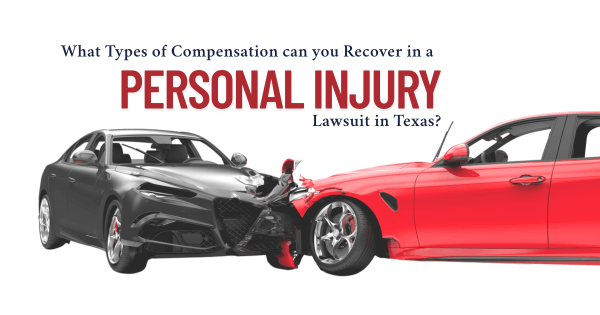
Car accident scene featuring a damaged black sedan and red vehicle, highlighting personal injury lawsuit context in Texas, with text about types of compensation recoverable.

What Types of Compensation can you Recover in a Texas Personal Injury Lawsuit?

ByPersonal Injury
What types of compensation you can recover in a personal injury lawsuit in Texas, featuring two cars in a collision.

You may be entitled to compensation for medical bills, lost wages, pain and suffering, and more after an accident in Texas.

If you’ve been injured in Texas due to someone else’s negligence (like a car wreck, truck wreck or injury at a business), you may be entitled to compensation through a personal injury lawsuit. Understanding the types of compensation you can recover is a crucial part of knowing your rights and planning for your future. In Texas, personal injury victims can seek damages in three broad categories: economic damages, non-economic damages, and, in rare cases, punitive damages. Let’s explore each category in detail.

Economic Damages

Economic damages are tangible, measurable losses that you have incurred because of your injury. These damages aim to reimburse you for the financial costs associated with the accident.

Common examples include:

  • Medical Expenses
    • Past medical bills: Costs for emergency care, surgeries, hospital stays, medications, physical therapy, and other treatments you’ve already received.
    • Future medical expenses: Estimated costs for ongoing medical care related to your injury, such as future surgeries, rehabilitation, or assistive devices.
  • Lost Income
    • Lost wages: Compensation for the income you lost while recovering from your injury.
    • Loss of earning capacity: If your injury affects your ability to work in the future or forces you to take a lower-paying job, you can seek damages for the difference in income.
  • Property Damage
    • If your personal property, such as a vehicle, was damaged in the incident, you can recover repair or replacement costs.
  • Other Out-of-Pocket Expenses
    • Expenses like transportation to medical appointments, home modifications for disability access, or the hiring of household help can also be included in economic damages.

Non-Economic Damages

Non-economic damages compensate you for intangible losses that are more subjective and harder to quantify. These damages aim to address the emotional and psychological toll of your injury.

Examples include:

  • Pain and Suffering – Compensation for physical pain and emotional distress caused by your injury.
  • Mental Anguish – Damages for psychological impacts such as anxiety, depression, or post-traumatic stress disorder (PTSD) resulting from the incident.
  • Loss of Enjoyment of Life – If your injury prevents you from enjoying hobbies, activities, or other aspects of life you once loved, you may recover damages for this loss.
  • Loss of Consortium – Spouses or family members may be entitled to compensation for the loss of companionship, care, or support due to the injury.

Punitive Damages

Punitive damages, also known as exemplary damages, are not meant to compensate the victim but to punish the wrongdoer and deter similar conduct in the future. In Texas, punitive damages are only awarded in cases where the defendant’s actions were particularly egregious, such as:

  • Intentional harm
  • Gross negligence
  • Fraud or malice

Punitive damages are subject to caps in Texas. Generally, the amount cannot exceed two times the amount of economic damages plus an equal amount of non-economic damages, up to a maximum of $750,000.

Factors That Affect Your Compensation

Several factors can influence the amount of compensation you receive in a personal injury lawsuit:

  • The severity of your injuries: More severe or permanent injuries typically result in higher compensation.
  • Shared fault: Texas follows a modified comparative negligence rule, meaning your compensation may be reduced if you are found partially at fault for the accident. If you are more than 50% at fault, you cannot recover damages.
  • Insurance policy limits: The defendant’s insurance coverage may limit the amount you can recover.

Conclusion

A personal injury lawsuit in Texas can provide a wide range of compensation to help you recover from the physical, emotional, and financial toll of an accident. From medical expenses and lost wages to pain and suffering and, in some cases, punitive damages, these awards are designed to help you rebuild your life.

If you’ve been injured, consulting an experienced personal injury attorney is the best way to ensure you understand your rights and maximize your compensation. Don’t let the complexities of the legal process stand in your way—take action today and contact HLAW for a free consultation. We want to help you secure the justice and financial support you deserve.

Liability for natural gas explosions in Texas with a focus on safety risks associated with gas appliances.

Dallas Home Explosion Raises Injury Liability Questions

ByPremises Liability

The Dangers of Natural Gas in the Home

Liability for natural gas explosions in Texas, featuring a lit gas burner against a blue background, emphasizing the dangers of natural gas use in homes.Using natural gas in your home can be very beneficial: it is more efficient than electricity, coming at cheaper cost, while getting more work done. However, gas does have some dangers associated with it. Natural gas is highly flammable and sometimes undetectable to the everyday person. This can lead to fires or even explosions in the home, causing thousands of dollars of damage.

Home Explosion in Dallas, Texas in February 2018

Natural gas is believed to be the related to a recent explosion at a home in Dallas. Current reports indicate that one person was tragically killed and others severely injured. Neighbors have evacuated their homes, while the city and the gas company look into the problem. Initial reports indicate that the explosion occurred near a gas heater in the house.

According to NBC DFW, the explosion prompted the evacuation of over 700 students from nearby Stephen C. Foster Elementary School.

For more on this story, click here.

For information on the Railroad Commission of Texas’ Gas Services, click here.
Pipeline Investigations from the National Transportation Safety Board, click here.

What to do if you have damage from a natural gas explosion/fire:

If you have suffered injuries or the loss of a loved one caused by a fire or explosion, it is important to know your rights.

Following a fire or an explosion, an investigation should be done to determine the cause of the incident. Depending on the cause, there may be several liability issues to address. For instance, faulty or leaking gas lines may implicate the utility company. If defective appliances contributed to the explosion, the sellers and manufacturers may be liable. These are complicated liability issues that should be discussed with your attorney.

Should you have damage from a fire or explosion that is caused by natural gas, contact your attorney to work through investigation and discuss your course of action.