At HLAW, your case receives Partner-Led Representation from consultation through courtroom.
In today’s legal marketplace, it is easier than ever to find a lawyer. A quick online search will produce hundreds of options across Fort Worth and North Tarrant County, many backed by polished websites, bold advertising campaigns, and promises of personalized service.
But for many clients, the experience that follows does not always match the promise.
Too often, individuals hire a firm expecting direct access to an experienced attorney, only to find their case quickly routed through layers of staff, case managers, and junior lawyers.
Phone calls are returned by someone they have never met. Important decisions are filtered through intermediaries. The attorney whose name was on the website may have little day-to-day involvement at all.
At Howard Lotspeich Alexander & Williams, PLLC (HLAW), we have intentionally built our firm differently.
A More Traditional Model — By Design
While the legal industry has increasingly moved toward high-volume case management models, our firm has remained grounded in a more traditional philosophy: legal representation should be personal, accountable, and partner led.
This is not because we resist innovation or modern tools. Like any effective law firm serving the Fort Worth, Keller, Southlake and North Texas communities, we maintain a strong and informative online presence. We believe clients should be able to find clear answers and helpful resources when they are searching for guidance.
But we also believe something important has been lost in the race toward scale.
Legal cases are not commodities. They involve real people, real families, and often some of the most stressful moments of a person’s life. Whether someone is facing criminal charges, dealing with the aftermath of a serious injury, or navigating a difficult family law matter, the stakes are deeply personal.
Because of that, we have made a deliberate choice: when you hire HLAW, your case receives Partner-Led Representation from start to finish.
What Partner-Led Representation Really Means
At many firms, the senior attorney you meet during the consultation may play only a limited role once the representation begins. The file is frequently delegated downward, sometimes almost immediately, as part of a volume-based workflow.
Our structure is different.
At HLAW, each partner personally manages and remains actively involved in their own caseload. The attorney you retain stays engaged in the strategy, the key decisions, and the forward movement of your case. Your matter is not simply passed down a chain of command.
This hands-on approach shapes the entire client experience. It allows us to stay closer to the facts, more responsive to developments, and more thoughtful in our strategic decisions. It also reinforces something we believe strongly: accountability matters.
When a partner takes ownership of a case, there is a level of attention and responsibility that cannot be replicated through heavy delegation alone.
Why Partner-Led Representation Matters
Over the years, many clients have come to us after initially working with larger, high-volume firms. One of the most common frustrations we hear is the feeling of being lost in the system and their cases being handed off to someone they didn’t initially meet with.
Legal matters often turn on small but critical details — a timeline inconsistency, a medical record nuance, a witness credibility issue, or a procedural opportunity that must be recognized at the right moment. When cases are managed primarily through layers of delegation, those details can sometimes be overlooked.
Our Partner-Led Representation model is designed to minimize that risk.
Direct involvement by experienced attorneys helps ensure that strategic decisions are made with the full benefit of years of courtroom and negotiation experience. It also allows us to maintain clearer, more consistent communication with the people who have trusted us with their cases.
Just as importantly, it reflects our firm’s culture. We do not view cases as inventory. We view them as commitments.
Substance Over Volume
There is no question that modern legal marketing plays a role in helping people find representation. But marketing alone does not resolve cases, protect rights, or guide families through difficult legal challenges.
At HLAW, our long-standing presence in the Fort Worth and NE Tarrant County communities has been built largely through relationships, referrals, and results. Our attorneys remain actively involved in local schools, churches, and community organizations because we believe that trust is earned through consistent, personal engagement — not just digital visibility.
This philosophy naturally influences how we manage our caseload. We are intentional about the matters we accept and mindful of maintaining the bandwidth necessary to give each case the attention it deserves. That is not always the fastest path to growth, but we believe it is the right one for our clients.
The Experience You Can Expect
When someone retains Howard Lotspeich Alexander & Williams, PLLC, they are entering into a professional relationship with attorneys who take seriously the responsibility they have been given.
Clients can expect:
Meaningful partner involvement
Thoughtful and proactive strategy
Communication grounded in real familiarity with the case
Compassionate, client-focused service
Experienced courtroom advocacy
In a legal environment that often emphasizes scale and speed, we have chosen to emphasize ownership, accountability, and personal attention.
Because at the end of the day, we believe clients deserve to know exactly who is standing beside them — and to have confidence that their case is being handled with the care and experience it requires.
If you would like to speak directly with an experienced attorney, contact Howard Lotspeich Alexander & Williams, PLLC today for a confidential consultation and experience the difference of Partner-Led Representation.
Waiting for the Insurance Company to ‘Do the Right Thing’? Your Rights and Legal Options in Texas
Insurance claims should settle problems — not create new ones. When claims drag or are denied, the stress and bills can pile up quickly. This guide explains why insurers delay claims, what “bad faith” means in Texas, and the practical legal steps you can take to protect your rights. We’ll also outline the types of recovery that may be available and how Howard Lotspeich Alexander and Williams, PLLC (HLAW) can stand with you through the process.
What Causes Insurance Claim Delays in Texas — and How They Hurt You
Delays happen for many reasons, and they often leave people with mounting expenses and uncertainty. Knowing the common causes helps you respond more effectively and avoid unnecessary setbacks.
Common Delay Tactics Used by Insurers — What to Watch For
Insurers sometimes slow claims by asking for excessive records, stretching out investigations, or losing paperwork. They might repeatedly request the same medical records or ask for additional proof of loss to buy time. Recognizing these tactics lets you push back and keep your claim moving.
Financial and Emotional Impact on Personal Injury Claimants
Slow claims can force you to cover medical bills, miss work, and dip into savings while you wait. The uncertainty also creates stress that affects recovery and daily life. Understanding the real costs of delay makes it easier to document damages and seek appropriate relief.
What Is Bad Faith Insurance in Texas — and How Do You Spot It?
“Bad faith” describes an insurer’s unfair or unreasonable behavior toward a policyholder. Spotting it early can be crucial to protecting your rights and pursuing a remedy.
How Texas Law Defines Bad Faith Insurance
Under Texas law, bad faith generally means an insurer failed to act in good faith or deal fairly with a policyholder. That can include unreasonable delays, denying valid claims without a reasonable basis, or failing to perform a proper investigation. Texas statutes and case law give policyholders tools to challenge these practices when they occur.
Real-World Examples of Bad Faith Conduct
Bad faith can look like denying a claim on a tenuous technicality, ignoring a claimant’s calls, or failing to explain why a claim was refused. If an insurer denies a car-accident claim without a thorough investigation, that conduct may cross the line into bad faith. Identifying these patterns helps build a stronger case.
What Legal Rights Do You Have When a Claim Is Delayed or Denied in Texas?
If your insurer delays or denies your claim, Texas law offers protections and potential remedies. Knowing these rights helps you decide the best next steps.
Key Texas Statutes That Protect Policyholders
The Texas Insurance Code requires insurers to handle claims fairly and within set timeframes. When carriers ignore those duties, policyholders may have grounds for complaints or lawsuits. Understanding these statutes gives you a foundation for asserting your rights and seeking recovery.
These laws are the legal basis you can use to challenge unfair insurer conduct and pursue relief.
How the Texas Civil Practice and Remedies Code Helps in Insurance Disputes
The Texas Civil Practice and Remedies Code supplies additional tools for pursuing claims against insurers, including the ability to recover certain damages and attorneys’ fees in appropriate cases. Familiarity with this code helps you and your lawyer frame the correct legal theory when challenging insurer misconduct.
How Can You Take Action Against an Insurance Company for Delayed Payment in Texas?
If you’re facing an unwarranted delay, there are practical steps you can take to push your claim forward and protect your legal options.
How to File a Complaint with the Texas Department of Insurance
Filing a complaint with the Texas Department of Insurance (TDI) is a constructive first step. TDI oversees insurer conduct and can investigate consumer complaints. Before filing, collect your policy documents, claim numbers, and all correspondence with the carrier. A formal complaint can prompt TDI review and may speed a resolution.
Complaints to TDI often flag violations of the rules designed to stop improper delays.
When It May Be Time to Sue Your Insurance Company for Bad Faith
If an insurer continues to delay or denies a valid claim without justification, legal action may be necessary. A bad faith suit requires proof that the carrier acted unreasonably or breached its contractual duties. Consulting with an experienced attorney will help you evaluate the evidence and determine if litigation is appropriate.
What Compensation Can You Seek for Insurance Claim Delays in Texas?
Knowing the possible forms of recovery helps you and your lawyer set realistic expectations and document the losses you’ve suffered.
Damages Available in Bad Faith Insurance Cases
In a bad faith case, you may seek compensatory damages for out-of-pocket losses such as medical bills and lost wages caused by the delay. In certain cases, punitive damages are also available to punish particularly egregious conduct, though these require clear and convincing proof of malice or gross negligence. Emotional distress claims are limited under Texas law and are evaluated on a case-by-case basis.
Punitive damages can deter future wrongdoing by insurers when extreme misconduct is proven.
How a Fort Worth Personal Injury Lawyer Can Improve Your Settlement
A Fort Worth personal injury lawyer brings experience with both insurance practices and litigation strategy. An attorney can collect evidence, communicate with the insurer, and, when necessary, file suit to seek full compensation. That advocacy often results in stronger settlements and protects your rights throughout the claim process.
Why Choose Howard Lotspeich Alexander and Williams, PLLC (HLAW) for Your Insurance Dispute?
Insurance disputes are stressful and legally complex. Our firm focuses on helping Texans hold insurers accountable and recover what they are owed. We combine legal experience with practical advocacy to protect our clients’ interests at every step.
Our Experience in Texas Personal Injury and Insurance Law
We provide clear legal advice, strategic representation, and hands-on support for clients facing insurance disputes. With experience in bad faith and personal injury matters, we know how Texas law applies and how to press for fair outcomes. Our goal is straightforward: protect your rights and pursue the recovery you need.
Client Results and a Free Case Review
We’ve helped many clients obtain favorable results against insurers that improperly delayed or denied claims. We offer a free consultation to review your situation and explain your options. Choosing Howard Lotspeich Alexander and Williams, PLLC means partnering with a dedicated legal team focused on results.
Start by reading the denial letter carefully to learn the insurer’s reasons. Gather supporting documents — medical records, bills, photos, and communications — and ask the carrier for clarification in writing. If the denial still seems wrongful, contact an attorney who handles insurance disputes to review your options and decide whether to appeal, file a complaint with TDI, or pursue litigation.
How long does an insurance company have to respond to a claim in Texas?
Texas rules generally require insurers to acknowledge a claim within 15 days and to accept or reject it within 30 days, unless more information is requested. Missing these deadlines can trigger penalties under the Texas Prompt Payment of Claims Act. Exact timelines can vary by claim type and circumstances, so consult the statute or an attorney for specifics.
Can I file a lawsuit against my insurance company for delays?
Yes. If an insurer unreasonably delays or denies a valid claim, you may have a cause of action under Texas law. To succeed, you’ll need to show the carrier failed to meet its obligations without a reasonable basis. An attorney can help assess the strength of your case and guide you through the litigation process if needed.
What evidence do I need to prove bad faith insurance practices?
Useful evidence includes written communications with the insurer, records of repeated delay or denial, medical and financial documentation showing your losses, and any internal insurer documents you can obtain. Witness statements or expert opinions can also strengthen a bad faith claim. A lawyer can help gather and organize the evidence you need to build a compelling case.
What are the potential outcomes of a bad faith insurance lawsuit?
Outcomes vary by case. Successful claims can result in compensatory damages for actual losses, recovery of attorneys’ fees in certain situations, and, when misconduct is especially egregious, punitive damages. Each case depends on the evidence and legal theory, so outcomes are evaluated on an individual basis.
How can I expedite my insurance claim process?
Provide complete and accurate documentation quickly, follow up regularly with the adjuster, and keep detailed records of all communications. If the carrier stalls, file a complaint with the Texas Department of Insurance and consider consulting an attorney who can press the claim and, if necessary, take legal action to move things forward.
Conclusion
You don’t have to wait in silence while an insurer delays or denies a legitimate claim. Know your rights, document your losses, and use the legal tools Texas provides. If you need help, Howard Lotspeich Alexander and Williams, PLLC (HLAW) can review your case, explain your options, and take action to pursue the compensation you deserve.Contact us to start your free consultation and protect your interests.
What to Expect From Tarrant County Attorneys for Wrongful Death Lawsuits
Families facing the loss of a loved one may have legal options under Texas wrongful death law. Experienced Tarrant County attorneys can help guide families through this difficult process.
Losing a loved one unexpectedly raises urgent legal questions about liability, compensation, and the steps families must take to protect their rights under Texas law. This article explains what a wrongful death claim is in Texas (governed primarily by the Texas Civil Practice and Remedies Code, Chapter 71), who may bring a claim, and how Tarrant County attorneys typically handle investigations, filings, and negotiations on behalf of grieving families. You will learn the key legal elements that must be proven, the differences between wrongful death and survival actions, and realistic timelines and stages you can expect in Tarrant County courts. The guide also breaks down recoverable damages, common causation scenarios in Fort Worth and surrounding communities, and practical resources for support and court navigation. Finally, the piece outlines what local attorneys do during an initial consultation and how to access a free consultation or contingency representation with Howard Lotspeich Alexander & Williams PLLC (HLAW). Throughout, the focus is on clear, actionable guidance and compassionate and principaled representation for families facing this difficult process.
Navigating the complexities of wrongful death lawsuits requires expert legal guidance.
What Is a Wrongful Death Claim Under Texas Law?
A wrongful death claim under Texas law is a civil action brought when someone’s death is caused by another’s wrongful act, neglect, or default, allowing certain beneficiaries to recover damages for their losses (Texas Civil Practice and Remedies Code (CPRC) § 71.002). The statutory framework that authorizes these claims is found in the Texas Civil Practice and Remedies Code, Chapter 71, and the claim seeks to compensate surviving family members for both economic and non-economic losses stemming from the decedent’s death. Establishing a wrongful death claim requires proof of fault, causation, and damages tied to the decedent’s death rather than simply the injury that preceded it. Understanding who may file and how wrongful death differs from a survival action is essential before moving to investigation and litigation. The following subsections break down the elements, eligible claimants, and the distinction between wrongful death and survival actions.
Texas law provides a framework for families to seek justice after a wrongful death.
What Are the Key Elements of a Texas Wrongful Death Claim?
A valid Texas wrongful death claim requires proof of several core elements: that the defendant owed a duty to the decedent, breached that duty, and that the breach proximately caused the decedent’s death and resulting damages to the beneficiaries. This aligns with the common law elements of negligence (e.g., D. Houston, Inc. v. Love, 92 S.W.3d 450, 454 (Tex. 2002)). Duty and breach vary by context—for example, drivers owe a duty of reasonable care on the road, while property owners owe safe premises to lawful visitors—and common examples help illustrate these standards. Causation requires linking the defendant’s breach directly to the fatal outcome, often through medical records, accident reconstruction, or expert testimony. Damages must be established with evidence such as wage records, funeral bills, and testimony about loss of companionship, and each proof type helps quantify the recovery sought by beneficiaries.
Who Can File a Wrongful Death Lawsuit in Tarrant County?
Texas law identifies certain beneficiaries who may bring a wrongful death action, typically including the decedent’s spouse, children, and parents (CPRC § 71.004(a)), depending on the decedent’s family structure and survivors. When multiple beneficiaries exist, recoveries are apportioned among them according to statutory rules and the representative’s distribution process; the specifics can affect negotiation strategy and settlement distribution. If no immediate family exists, heirs at law or a personal representative of the estate may have standing (CPRC § 71.004(b)), requiring an orderly succession process to determine who may pursue the claim. Knowing who can file early helps counsel determine the correct plaintiffs and whether a survival action for the decedent’s estate should be pursued concurrently.
How Does Texas Law Define Wrongful Death and Survival Actions?
Wrongful death and survival actions are distinct remedies under Texas law: wrongful death compensates surviving beneficiaries for their losses caused by the decedent’s death (CPRC Chapter 71, Subchapter A), while a survival action allows the decedent’s estate to pursue claims the decedent could have brought had they lived (CPRC Chapter 71, Subchapter B). The practical implication is that certain damages—like pre-death pain and suffering or the decedent’s own lost earnings—may belong to the estate through a survival action, whereas loss of companionship and financial support flow to beneficiaries via the wrongful death claim. Filing both actions where appropriate preserves all potential recovery streams and clarifies how awards will be allocated. Understanding this division shapes evidence collection and pleadings to ensure no claim is inadvertently waived.
How Does the Wrongful Death Lawsuit Process Work in Tarrant County Courts?
In Tarrant County, the wrongful death process follows a structured progression from initial intake and investigation through filing, discovery, ADR/mediation, and potential trial, with local court practices influencing scheduling and procedural expectations. Early steps focus on preserving evidence—medical records, police reports, and scene documentation—and retaining experts who can build causal and damages narratives tailored to the county’s courts. Local counsel typically coordinates with investigators and experts, drafts pleadings to meet Texas statutory requirements, and engages in pre-suit demand and settlement negotiations while preparing for litigation if necessary. Below are common stages of the process, followed by a practical timeline table that maps each stage to typical local timing and activities.
The Tarrant County court system guides the progression of wrongful death lawsuits.
Intake and documentation: attorney meets client, collects records, preserves evidence.
Investigation and expert retention: medical, reconstruction, and vocational experts are engaged.
Filing and discovery: pleadings filed in the appropriate Tarrant County district court and discovery exchanged.
ADR/mediation and trial preparation: settlement efforts precede trial if resolution is not reached.
The numbered steps above outline the case flow and lead into specifics about what to expect during the initial consultation with an attorney.
What Happens During the Initial Consultation With a Tarrant County Attorney?
An initial consultation in Tarrant County typically begins with the attorney listening to the family’s account and reviewing core documents such as the death certificate, police or incident reports, and any medical records already available. Attorneys will ask targeted questions about the decedent’s employment, dependents, and available evidence to evaluate liability and damage potential and to identify immediate preservation steps that protect key records. The consultation also covers the contingency-fee model and case costs—how firms generally advance expenses and recoup them only from recovery—while offering compassionate guidance about next steps. Clients should bring any documentation they have; focusing on these items allows counsel to quickly determine viability and to outline a practical evidence-gathering plan for the Tarrant County context.
How Is Evidence Gathered and Investigated in Tarrant County Wrongful Death Cases?
Evidence gathering in Tarrant County wrongful death cases involves assembling medical records, employment documents, accident scene data, witness statements, and, when relevant, maintenance logs or corporate records that show negligence. Attorneys often retain specialists—accident reconstructionists, medical examiners, vocational experts—to interpret technical evidence and present causal narratives suited to local juries or mediators. Preservation letters, targeted subpoenas, and prompt requests for records are common steps to prevent loss of critical proof, and local counsel typically understands which experts are most persuasive in Tarrant County courts. A thorough, early investigation increases leverage in settlement talks and lays the foundation for pleadings and expert reports that withstand defense challenges.
What Are the Stages of Filing, Mediation, and Trial in Tarrant County?
Once investigation supports filing, counsel prepares and files a petition in the appropriate Tarrant County district court, after which defendants are served and discovery schedules are set by local rules and judicial preferences. Discovery typically includes written interrogatories, requests for production, depositions of witnesses and experts, and motions practice addressing evidentiary disputes or dispositive issues. Many Tarrant County judges require or encourage mediation or another form of ADR before trial, and experienced counsel will use mediation to test valuation and liability arguments while preserving trial readiness. If mediation fails, trial preparation intensifies with exhibit organization, witness preparation, and jury strategy development tailored to the local court’s procedures and calendar.
How Long Does a Wrongful Death Lawsuit Typically Take in Tarrant County?
The duration of a wrongful death lawsuit in Tarrant County varies widely based on case complexity, the number and cooperation of parties, discovery disputes, and whether expert-intensive issues arise, with straightforward settlements occurring in months and contested cases taking a year or more to reach resolution. Simple liability admissions with available insurance coverage often resolve through negotiated settlements within several months, while complex commercial or medical-liability matters involving multiple experts can extend through extended discovery and motion practice into multi-year litigation. Appeals or complicated punitive damages inquiries further lengthen timelines, and counsel commonly seeks early ADR to shorten the total duration when appropriate. Knowing these ranges helps families set expectations and prioritize evidence preservation and early expert development.
Stage
What Happens
Typical Timeline / Tarrant County Notes
Intake & Preservation
Client interview, preservation letters, initial records collection
Days to 2 weeks; quick action preserves evidence
Investigation & Expert Retention
Medical records review, accident reconstruction, expert reports
1–3 months to assemble core experts
Filing & Discovery
Petition filed; written discovery and depositions
6–12 months typical before dispositive motions/mediation
ADR/Mediation
Court-ordered or agreed mediation, settlement negotiations
Often scheduled 6–18 months after filing
Trial & Post-Trial
Jury selection, trial, verdict, possible appeals
1–3+ years for complex cases
This timeline table shows typical stages and local timing; early preservation and strategic expert development often shorten the path to a fair resolution.
What Types of Damages and Compensation Can You Expect in Tarrant County Wrongful Death Cases?
Wrongful death recoveries in Texas commonly include economic damages—such as medical expenses and lost earning capacity—and non-economic damages like loss of companionship and mental anguish, with potential punitive damages where egregious conduct justifies them (CPRC § 71.002). Calculating these amounts requires concrete proof: medical and funeral bills for out-of-pocket expenses, payroll records and expert vocational analyses for lost future earnings, and testimony or demonstrative evidence to support non-economic claims. Certain categories, like medical malpractice non-economic caps, may apply in limited contexts, while economic damages generally face fewer statutory limits; counsel must evaluate which rules are relevant to a given case. The table below compares typical damage categories with example evidence and notes to clarify what families should expect.
Families can seek various types of damages to compensate for their losses.
Damage Category
Example Costs or Evidence
Recoverable Amount / Notes
Medical & Hospital Bills
Billing statements, EMR, itemized treatment records
Typically recoverable as economic damages
Funeral and Burial Expenses
Funeral invoices, cemetery costs
Recoverable as a direct expense of the decedent’s death
Present value of future earnings adjusted for life expectancy
Loss of Consortium / Mental Anguish
Family testimony, counseling records, interpersonal evidence
Non-economic; subjective valuation by jury or settlement
Punitive Damages
Evidence of malice or gross negligence
Awarded rarely; requires proof that conduct justifies punishment
Understanding these categories helps families and counsel prioritize evidence collection and expert valuation methods to maximize appropriate compensation.
What Economic Damages Are Recoverable in Texas Wrongful Death Claims?
Economic damages in Texas wrongful death cases cover concrete financial losses such as the decedent’s medical expenses incurred before death, reasonable funeral and burial costs, and the present value of the decedent’s future lost earnings and benefits (CPRC § 71.002). Proving economic damages typically requires documentation—medical billing, employer records, tax returns—and often a vocational or economic expert who can project future earnings and calculate present value using actuarial assumptions. Lost household services and loss of financial support to dependents are also quantifiable economic claims when supported by credible proof. Attorneys will gather payroll records, benefit statements, and expert reports to translate these losses into a defensible damages figure for negotiation or trial.
What Non-Economic Damages Can Families Claim in Tarrant County?
Non-economic damages include loss of companionship, mental anguish, and the emotional impact on surviving family members that do not have a direct dollar figure but are recognized by Texas law as compensable harms (CPRC § 71.002). Demonstrating non-economic damages relies on detailed factual narratives, witness testimony about the decedent’s role in the family, photographs, and corroborating accounts of the emotional toll. While juries determine non-economic valuations subject to legal standards, carefully documented family stories and evidence of the decedent’s daily contributions help juries and mediators assign appropriate weight. Counsel often combines emotional-proof strategies with objective damages calculations to present a complete view of loss.
Are There Caps or Limits on Wrongful Death Damages in Texas?
Some wrongful death contexts carry statutory limitations—most notably certain medical malpractice claims where non-economic damages may be subject to caps under Texas law (CPRC § 74.301)—while many other categories of economic damages remain uncapped and recoverable in full. Punitive damages have separate legal standards and practical limits (CPRC Chapter 41), requiring clear evidence of malice or conscious indifference to justify awards meant to punish the wrongdoer. The applicability of caps and limits depends on the facts and legal theories asserted, so counsel must assess whether statutory ceilings or special rules apply in each case. Understanding these constraints early informs settlement strategy and expectations about trial valuations.
How Is Wrongful Death Compensation Calculated in Tarrant County?
Compensation calculations combine actual documented losses with projections of future losses and jury-assessed non-economic harms, typically using present-value calculations for future earnings and actuarial tables to ensure figures align with economic realities. Experts translate historical earnings, age, occupation, and life expectancy into a future-earnings model, subtracting personal consumption to arrive at recoverable support amounts for beneficiaries. Non-economic damages are argued through narrative, testimony, and comparables from similar cases to help juries quantify intangible losses. Attorneys then blend these calculations into demands and settlement positions that reflect both the legal theory and the human impact of the decedent’s death.
Why Should You Choose a Fort Worth Wrongful Death Attorney From Tarrant County?
Choosing an attorney with local Fort Worth and Tarrant County experience brings tactical advantages: understanding docket practices, judge preferences, local expert networks, and typical ADR timelines can materially affect case efficiency and outcomes. Local counsel is more likely to know which experts are persuasive before Tarrant County juries and how to schedule discovery and motions in ways that align with court calendars. A compassionate, community-minded attorney also helps grieving families navigate paperwork, coordinate with service providers, and secure immediate documentation while focusing on case strategy. For families considering local representation, the next subsection identifies how contingency arrangements work and then lists attorneys at Howard Lotspeich Alexander & Williams PLLC (HLAW) who handle wrongful death matters.
Local attorneys offer invaluable insight into Tarrant County’s legal landscape.
What Local Experience and Knowledge Do Tarrant County Attorneys Provide?
Tarrant County attorneys offer practical advantages rooted in familiarity with local court divisions, common calendaring practices, and the dispute-resolution culture of Fort Worth judges, which helps avoid procedural missteps and manage realistic schedules. That local experience extends to established relationships with investigators, medical experts, and accident reconstructionists who regularly work in Tarrant County and understand how to present evidence effectively. Such tactical knowledge streamlines case preparation, allows for targeted depositions, and helps counsel anticipate and counter defense strategies typical in the region. Ultimately, local expertise translates into more focused discovery and a clearer path to resolution on terms that reflect the county’s legal landscape.
How Does a Contingency Fee Structure Benefit Wrongful Death Clients?
A contingency fee structure enables grieving families to pursue wrongful death claims without up-front litigation expenses, aligning attorney incentives with securing a meaningful recovery while reducing financial risk for clients. Under a contingency model, attorneys advance case costs—experts, filing fees, and investigation expenses—and are reimbursed from the recovery, which helps families proceed even when immediate funds are limited. Clients should ask prospective lawyers how costs are advanced, how fee percentages and reimbursements are handled, and what reporting to expect during the case to maintain transparency. This fee approach increases access to justice and ensures counsel remains focused on achieving the best possible outcome for beneficiaries.
What Compassionate Support Can Families Expect From Tarrant County Attorneys?
Beyond legal advocacy, compassionate wrongful death attorneys assist families by coordinating document collection, connecting clients to grief counseling referrals, and handling communications with insurers and other parties to reduce family stress during litigation. Attorneys often provide regular case updates, explain complex legal steps in plain language, and offer procedural assistance such as obtaining certified copies of records or advising on immediate preservation actions. This support frees families to focus on recovery and memorial planning while counsel advances investigative and legal tasks. The balance of practical aide and legal skill helps families through an emotionally difficult process with dignity and clarity.
Which Attorneys at Howard Lotspeich Alexander & Williams PLLC Are Recognized for Wrongful Death Cases?
The following attorneys are listed as handling wrongful death matters at Howard Lotspeich Alexander & Williams PLLC (HLAW): Jason Howard, Luke Williams, Jesse Lotspeich, Laura Alexander, and Ashley Gilmore. Each name represents attorneys associated with the firm’s wrongful death and personal injury practice areas as identified in public listings and local search results. Families considering representation can contact the firm to learn which attorney’s background and availability best fit their case needs.
What Are the Common Causes of Wrongful Death Cases in Fort Worth and Tarrant County?
Wrongful death cases in Fort Worth and Tarrant County most commonly arise from vehicle collisions, commercial truck crashes, workplace incidents, premises liability events, and medical negligence, with each cause requiring specific proof strategies to show fault. Patterns of negligence—speeding, impaired driving, inadequate training or maintenance, and failure to secure dangerous conditions—often underlie these claims and guide the inquiry into responsible parties. Identifying the type of incident early helps counsel determine which experts and records are essential, such as black box data for automotive fatalities or OSHA and employer records for workplace deaths. The following subsections describe typical evidentiary approaches for these common causation scenarios.
Common causes of wrongful death often involve detailed accident investigations.
Common causes of wrongful death claims in the region include motor vehicle collisions, truck accidents, workplace fatalities, and premises-related incidents.
Each cause requires targeted evidence such as accident-scene data, employer records, or property maintenance logs to establish liability.
Recognizing likely responsible parties early—drivers, employers, property owners, or product manufacturers—guides the investigation and pleadings.
These common causes point to the next practical considerations for vehicle, workplace, and premises-related fatality claims.
How Do Car and Truck Accidents Lead to Wrongful Death Claims?
Car and truck wrongful death claims hinge on establishing negligence—speeding, distracted driving, or regulatory violations in commercial trucking—and linking those breaches to the fatal outcome through collision reconstruction and witness evidence. Commercial truck cases often involve specialized rules, such as federal motor carrier regulations, fleet maintenance records, and driver logs that can show systemic failures beyond individual driver error. Evidence commonly used includes accident-scene photos, salvage and vehicle inspection reports, event data recorder (black box) downloads, and expert reconstruction testimony that ties conduct to causation. Building a record that addresses both driver fault and corporate responsibility is essential in complex vehicular fatalities.
What Role Do Workplace Accidents Play in Wrongful Death Lawsuits?
Workplace deaths frequently raise questions about the interplay between workers’ compensation benefits and separate wrongful death claims against negligent third parties, creating distinct legal avenues for recovery. While workers’ compensation typically provides limited benefits to survivors for on-the-job deaths, a civil wrongful death suit may be available against third parties whose negligence contributed to the fatality, such as contractors, equipment manufacturers, or property owners. Proving third-party liability requires documentation of safety protocols, maintenance histories, and employer or contractor practices, and counsel will often work to preserve OSHA reports and witness statements. Understanding these distinctions helps families pursue all available remedies.
How Does Premises Liability Cause Wrongful Death in Tarrant County?
Premises liability wrongful death claims arise when property owners or occupiers fail to maintain reasonably safe conditions, and that failure contributes to fatal injuries—for example, insufficient security leading to a fatal assault or hazardous conditions causing a deadly fall. Plaintiffs must show the owner knew or should have known of the hazardous condition and failed to take reasonable steps to mitigate it, supported by maintenance logs, incident reports, surveillance footage, and witness accounts. Local counsel will investigate property inspection histories and security practices to establish notice and breach, tailoring arguments to Tarrant County court expectations. These proof streams build a case for the owner’s responsibility.
What Other Negligence Factors Are Common in Tarrant County Wrongful Death Cases?
Other negligence sources include defective products, medical malpractice, and municipal liability for negligent road or facility maintenance, each requiring specialized proof such as design documents, medical expert testimony, or public records requests. Product liability claims focus on manufacturing or design defects and often involve engineering experts and recall histories, while medical malpractice wrongful death suits hinge on standard-of-care testimony from qualified medical experts. Municipal claims against government entities bring procedural hurdles and notice requirements that local counsel must navigate carefully. Recognizing the potential theories early ensures the proper records and experts are engaged to preserve and prove each claim.
What Legal Resources and Support Are Available for Families Facing Wrongful Death in Tarrant County?
Families in Tarrant County can access official court resources, local grief counseling and support categories, and pro bono or referral services that help with immediate needs while litigation proceeds. County clerk offices and district court clerks provide filing instructions, docket access, and record requests that attorneys use to pull pleadings and set hearings, and knowing how to navigate those resources reduces delays. Local attorneys also commonly provide referrals to counseling and community support networks and can guide families through practical tasks like obtaining certified records or documenting losses for claims. The following subsections list where to find court information, the types of support services available, and how to secure a free consultation.
Families have access to various legal and emotional support resources in Tarrant County.
Where Can You Find Tarrant County Court and Legal System Information?
Tarrant County’s court system offers public resources for locating dockets, obtaining court forms, and identifying the district court assigned to a case, which helps families and counsel plan filings and hearings. Court clerks can assist with procedural questions like filing requirements and fees, and records requests for prior cases or filings often inform case strategy and settlement leverage. Local counsel frequently directs clients on which divisions handle wrongful death matters and what to expect at scheduling hearings, reducing surprises. Knowing where to seek official records and how to request them makes the litigation process more navigable for families.
What Support Groups and Counseling Services Assist Grieving Families in Fort Worth?
Grieving families benefit from a range of local support resources, including grief counseling professionals, faith-based groups, and community organizations that offer emotional and practical support during and after litigation. Attorneys often maintain referral lists of therapists and community services that have helped prior clients cope with loss while managing legal responsibilities. These supports complement legal advocacy by addressing family wellbeing, practical planning, and long-term recovery needs. Being connected to appropriate services helps families focus on healing while counsel manages the legal case.
How Can You Access a Free Consultation With a Tarrant County Wrongful Death Attorney?
To request a free consultation, gather core documents—police or incident reports, available medical records, the death certificate if available, and any employment or insurance information—and contact a local wrongful death attorney to schedule an intake where these materials will be reviewed. During a free consultation, expect questions about the incident, the decedent’s dependents and income, and the documentary evidence you can provide, along with an explanation of contingency representation and next steps. For families considering local counsel, you can call Howard Lotspeich Alexander & Williams PLLC (HLAW) at 817-993-9249 to request a free consultation and learn how the firm advances case costs on contingency. Preparing documentation before the meeting helps counsel give a prompt, practical assessment.
What Frequently Asked Questions Do Tarrant County Families Have About Wrongful Death Claims?
Families commonly ask about timing, likely recoveries, proof requirements, and who can file; concise answers help set realistic expectations about statutes of limitation, evidence standards, and the roles of beneficiaries. Quick, direct answers clarify that time is of the essence, that both economic and non-economic damages are considered, and that competent documentation and early expert involvement materially improve outcomes. Attorneys should provide clear next steps and a checklist of records to collect to preserve claims. These practical FAQs help families act promptly and focus on the most impactful early actions.
What Are the Most Common Questions About Tarrant County Wrongful Death Lawsuits?
This final section addresses the specific, frequent questions families ask: settlement ranges, proving negligence, statute of limitations, succession when no immediate family exists, and how wrongful death differs from personal injury. Each question below provides a focused, practical response to help families prioritize actions and understand legal distinctions that affect recovery and timing. These answers are designed for quick clarity so families can make informed choices about next steps and counsel selection.
What Is the Average Wrongful Death Settlement Amount in Tarrant County and Texas?
Average settlement figures vary widely due to case-specific factors—age of the decedent, income, number of beneficiaries, and extreme outliers from very large verdicts—so providing a single average can mislead; instead, settlements often range from low five figures in limited cases to six- or seven-figure recoveries for high-earning decedents or particularly egregious conduct. Market trends through recent years show variability driven by insurance policy limits and case complexity, and median settlement values are often lower than headline verdicts. Families should discuss realistic valuation with counsel who can model case-specific numbers using documented earnings, expenses, and persuasive non-economic narratives.
How Do You Prove Negligence in a Texas Wrongful Death Case?
Proving negligence requires showing duty, breach, causation, and damages with evidence such as police reports, eyewitness testimony, medical records, employer documents, and expert opinions that link the defendant’s conduct to the fatal outcome. Each element aligns with specific proof types: duty and breach through regulations or standards of care, causation through medical and forensic analysis, and damages through billing, payroll, and family testimony. Effective cases use reconstruction, expert reports, and corroborating documentary evidence to convert factual disputes into a clear liability narrative. Early evidence preservation and targeted expert engagement are crucial to meeting this burden.
What Is the Statute of Limitations for Filing a Wrongful Death Lawsuit in Tarrant County?
Under Texas law, wrongful death claims must generally be filed within two years of the decedent’s death (CPRC § 16.003(b)), and families should act promptly because exceptions and tolling rules are limited and fact-specific. Missing the statutory filing deadline can bar recovery, so immediate consultation with counsel is essential to protect rights and identify any applicable exceptions. Attorneys typically verify filing deadlines as one of the first tasks during the initial consultation and will pursue temporary preservation or expedited filings when time is short. Acting early reduces the risk that procedural deadlines will foreclose claims.
Who Can File a Wrongful Death Claim If the Deceased Has No Immediate Family?
If no immediate family exists, state succession laws determine eligible heirs at law who may file a wrongful death claim (CPRC § 71.004(b)), and a personal representative of the estate may also pursue certain survival-action claims on behalf of the decedent. Identifying the proper plaintiffs may require probate coordination to appoint an estate representative or to document heirs, and counsel will advise on the procedural steps to establish standing. Early legal advice streamlines succession matters and ensures that the correct parties pursue recovery without procedural defects that could be contested by defendants.
How Do Wrongful Death Claims Differ From Personal Injury Cases in Texas?
Wrongful death claims differ from personal injury suits primarily in who recovers and what damages are available: wrongful death actions compensate surviving beneficiaries for losses caused by death (CPRC Chapter 71, Subchapter A), whereas personal injury cases seek recovery for injuries suffered by a living plaintiff, including pain and suffering and lost earnings to that individual. Survival actions (CPRC Chapter 71, Subchapter B) bridge these remedies by allowing the decedent’s estate to recover claims the decedent could have pursued, such as pre-death pain and suffering or the decedent’s own economic losses. Understanding these distinctions helps families and counsel decide whether to pursue wrongful death, survival, or related claims in tandem.
Key Texas Statutes and Case Law for Wrongful Death Claims
For reference, the following are key Texas legal authorities relevant to wrongful death and survival actions:
Call 817-993-9249 to request a free consultation with Howard Lotspeich Alexander & Williams PLLC (HLAW) and to discuss how contingency representation can remove up-front financial barriers while preserving your family’s legal rights.
Don’t let a catchy slogan cost you thousands. While ‘Settlement Mill’ firms spend millions on billboards to process volume, true trial lawyers focus on maximizing value in the courtroom.
They promise “Easy Money” and shout from every billboard on I-35. But behind the marketing budget lies a high-volume factory model that insurance companies have learned to exploit. Here is the in-depth reality of why the lawyer you see the most is often the one the insurance company fears the least.
If you live in Dallas-Fort Worth, you cannot escape them. The “Strong Arms.” The “Hammers.” The catchy jingles promising instant checks and aggressive representation.
When you are injured, in pain, and watching medical bills pile up, these advertisements are designed to trigger a psychological response: relief.They promise a fast, easy solution to a complex problem.
But before you dial that 1-800 number, you need to understand the business mechanics behind those ads. You are not just hiring a lawyer; you are entering a business ecosystem known in the legal industry as a “Settlement Mill.”
Hiring a firm based on a billboard is often the single most profitable thing you can do— for the insurance company.
The Economics of the “Settlement Mill”
To understand why these firms often deliver lower results, you have to look at their balance sheet.
Marketing on television and billboards in a major metroplex like DFW costs millions of dollars per month. To cover that massive overhead, these firms require one thing above all else: Volume.
They cannot survive by handling 50 cases a year with extreme care and precision. They need to sign up 500, 1,000, or 2,000 cases a year to pay their advertising bills.
This creates a factory mentality:
The Intake Floor:When you call, you are rarely speaking to a lawyer. You are speaking to a call center trained to sign you up immediately.
The Conveyor Belt:Once signed, your case enters a queue. To keep the lights on, the firm needs to move your case from “Open” to “Settled” as fast as possible.
The Conflict:Taking a case to trial takes time (often 12-18 months or more) and costs money. Settling a case takes 90 days. For a volume firm, a quick settlement of $15,000 is often more profitable for themthan fighting for two years to get you $100,000.
The “Case Manager” Reality
The most common complaint we hear from clients who fire billboard or television commercial firms to hire HLAW is simple: “I never met my attorney.”
In the Settlement Mill model, attorneys are expensive. To maximize profit, these firms assign your case to a “Case Manager” or “Pre-Litigation Specialist.” These are often non-lawyers with no legal degree. Their job is to gather your medical records and process your claim like data entry.
At Howard Lotspeich Alexander & Williams (HLAW), we reject this model. Our partners are former prosecutors and local attorneys with well over a decade of courtroom and trial experience. When you hire us, you get us.We believe that strategic legal decisions should be made by trial lawyers, not administrative staff.
The “Colossus” Factor: How Insurance Companies Profile Your Lawyer
This is the secret the industry tries to keep quiet: Insurance companies use AI and data profiling to value your case.
Major carriers like Allstate, State Farm, and Geico use evaluation software (such as Colossus) to determine how much to offer you. One of the most heavily weighted inputs in that algorithm is the identity of your lawyer.
The insurance industry maintains vast historical data on law firms. They know exactly which firms:
File lawsuits:(The firms that fight).
Settle pre-litigation:(The firms that fold).
If you hire a billboard lawyer who settles 99% of their cases without ever filing a lawsuit, the software flags your claim as “Low Risk.” The computer knows there is no threat of a jury verdict, so it spits out a “Lowball” offer range.
Conversely, when an adjuster sees HLAWon the letterhead, the risk profile changes. They see a firm led by serious litigators who are comfortable in a courtroom. To avoid the cost and risk of a trial, the software—and the adjuster—are forced to increase the offer.
The Missing Weapon: The StowersDoctrine
Texas law provides a powerful weapon for injury victims called the StowersDoctrine.
In simple terms, a Stowersdemand forces an insurance company to pay their policy limits now, or risk being on the hook for the entirejury verdict later (even if it exceeds the policy). It is the ultimate pressure tactic.
But a Stowersdemand is a bluff unless you can back it up.
If a Settlement Mill sends a Stowersdemand, the insurance company often laughs it off. They know that firm has no intention of going to trial. They know that if they say “no,” the billboard lawyer will likely just convince the client to take the lower amount.
At HLAW, our Stowersdemands have teeth. We prepare every case as if it is going to trial. We take depositions. We hire experts. We build the pressure until the insurance company realizes that paying you fairly is their only safe option.
The “Litigation Gap”
Here is a scenario that happens every day in Fort Worth: A client hires a TV lawyer. The insurance company denies liability or makes a tiny offer. Because the TV lawyer relies on “easy” settlements, they don’t want to do the hard work of filing a lawsuit.
So, they drop the client. They send a letter saying, “We can no longer represent you.”
Now, the client has lost months of time and has to start over. At HLAW, we are Battle-Tested Trial Lawyers. We don’t cherry-pick only the easy cases. If the insurance company refuses to be fair, we don’t drop you—we sue them.
Don’t Be a Statistic. Be a Priority.
Marketing is not the same as legal ability. A catchy jingle doesn’t scare a billion-dollar insurance corporation. A billboard doesn’t win a cross-examination.
Your injury settlement is likely the only compensation you will ever receive for your pain, your surgery, and your lost future wages. Do not entrust that financial lifeline to a firm that views you as a unit of inventory.
Choose the firm that insurance companies respect—and take seriously.
Contact HLAWtoday for a free consultation and case evaluation. We don’t need billboards to tell you who we are. We let our results in the courtroom do the talking.
Navigating the maze of orange barrels in Dallas-Fort Worth: When confusion leads to a crash, proving liability often requires looking beyond the driver to the construction company itself.
If you live in Keller or commute through Fort Worth, you know the reality: the orange barrels seem permanent. Whether it is the massive widening projects along I-30 from Linkcrest Drive to I-820, or the perpetual “North Tarrant Express” updates on I-35W, Tarrant County drivers are constantly navigating a shifting maze of concrete barriers.
But here is the hard truth that many drivers overlook: Construction zones do not just cause traffic; they actively create hazards.
When a crash happens in these confused, narrow chutes of highway, the default assumption is “driver error.” The police report might simply say “Failure to Control Speed.” However, as experienced attorneys, we know that in many cases, the road designwas the true culprit.
If you were injured because a construction company created a “trap” on the roadway, who is responsible? The answer lies in a complex intersection of engineering standards and Texas law.
The Anatomy of a “Construction Negligence” Case
It is not enough to say the road was confusing. To win a personal injury claim involving road construction, we must prove that the setup violated the Standard of Care.
When traffic is shifted to a new pavement section, the old white lines must be completely obliterated. Often, contractors do a poor job of grinding them off. When it rains or the sun hits at a certain angle (glare), the old lines reappear. If you drifted into a car because you were following what looked like a valid lane, that is a failure of the contractor’s duty to warn.
The “Edge Drop-Off” Hazard
During widening projects (like on I-30), contractors often leave a significant drop-off between the paved lane and the shoulder. If a wheel slips off the edge, a driver’s natural reaction is to jerk the steering wheel back, often causing a rollover or a crossover head-on collision. If that drop-off was not properly marked or shielded with barriers, the contractor may be liable.
Inadequate Signage Spacing
The TMUTCD mandates exactly how far in advance a “Right Lane Closed” sign must be placed based on the speed limit. If the speed limit is 65 MPH but they placed the warning sign only 100 feet before the taper, they effectively deprived you of the reaction time needed to merge safely.
The Legal Hurdle: Sovereign Immunity vs. Private Liability
This is the most critical legal concept for victims to understand.
The Government (TxDOT):Under the doctrine of Sovereign Immunity, the government is generally immune from lawsuits. You generally cannot sue TxDOT for a design decision they made years ago.
The Private Contractor:TxDOT hires private consortiums and construction firms to execute the work. These private companies do not enjoy the same immunity.If a private contractor deviates from the approved Traffic Control Plan (TCP)—for example, if the plan said “place barrels every 20 feet” and they placed them every 50 feet—they can be sued for negligence.
The “Derivative Immunity” Defense:Contractors often try to argue, “We were just doing what TxDOT told us to do.”
How We Defeat It:We subpoena the daily logs and inspection reports. If we can prove the contractor cut corners, ignored the blueprints, or failed to fix a known hazard (like a pothole or missing sign) within a reasonable time, they lose that protection.
The “Proportionate Responsibility” Trap
Insurance adjusters love construction zone accidents because they are chaotic. Their favorite tactic in Texas is to use the Modified Comparative Negligencerule (the “51% Bar”).
They will argue: “Sure, the lane lines were confusing, but you were driving 5 MPH over the work-zone speed limit. Therefore, you are more than 50% at fault, and we owe you nothing.”
In a construction zone case, fighting this percentage is everything. We counter this by hiring accident reconstruction experts who can prove that no reasonable drivercould have navigated that hazard safely, regardless of a minor speed variance. We shift the focus from your driving to the inevitabilityof the crash caused by the trap they set.
The Investigation: What We Look For
If you hire a generalist lawyer, they might just pull the police report. At Howard Lotspeich Alexander & Williams (HLAW), we dig much deeper for construction-specific evidence:
The Traffic Control Plan (TCP):The literal blueprint of where every cone and sign shouldhave been. We compare this to photos of where they actually were.
The Contractor’s Daily Logs:Site superintendents must keep logs of work performed and inspections made. Did they check the signs that morning? Did they note that a barrier had been knocked over but fail to fix it?
311 and TxDOT Complaint Logs:Often, other drivers have reported the exact same hazard days before your crash. If the contractor knew about the danger and ignored it, that moves the case from simple negligence to potentially gross negligence.
Body Cam & Dash Cam Footage:Police body cams often capture the officer complaining about the confusing road setup. This is powerful jury evidence.
Steps to Protect Your Claim Immediately
Construction zones change daily. The evidence that exists today will be paved over tomorrow.
Take Wide-Angle Photos:Don’t just photograph the damage to your car. Photograph the approach to the crash site. We need to see what the signs looked like beforeyou hit the hazard.
Check for Witnesses:Did other drivers stop? Ask them if they found the lane configuration confusing.
Preserve Your Vehicle:If the crash was caused by a mechanical failure due to road debris or a drop-off, the physical damage to your tires and suspension is evidence. Do not let the insurance company salvage the car until we have inspected it.
Why Local Representation Matters
Navigating a claim against a major construction consortium is not a DIY project. These companies have teams of lawyers whose sole job is to blame the driver.
You need a firm that understands both the Criminal (traffic citations) and Civil (injury) sides of the law to protect your rights fully. If you or a loved one has been injured in a confusing construction zone in Keller or Fort Worth, don’t assume it was just “bad luck.”
AI-driven vehicles raise serious legal questions — Texas law allows injury victims to pursue claims against manufacturers, developers, and operators when technology causes harm.
As autonomous vehicles and AI-driven safety systems become more common, many Texans are asking:
If the car’s computer makes the mistake — can I still sue?
In Texas, the answer is yes — but you don’t sue “the AI.” Instead, you sue the real people or companies behind it: the vehicle maker, AI/software developer, distributor, or others in the supply chain. Under state law, AI-related crashes can be treated as traditional product-liability or negligence claims.
✅ Why Texas Law Makes It Possible
The Legal Framework: Texas Civil Practice and Remedies Code — Chapter 82
Texas governs product-liability lawsuits under Chapter 82 of the Code. A “products liability action” can be based on strict tort liability, negligence, breach of warranty, misrepresentation, or any combination.
That means even if the manufacturer or developer wasn’t negligent in a traditional sense, they can still be held liable if the product (e.g., a self-driving system) was defective and caused injury.
What “Defective” Means — Design, Manufacturing, or Warning Defects
Under Texas product-liability law, a product may be defective because of:
Design defects — when the design itself is unreasonably dangerous (even if built as intended).
Manufacturing defects — when something went wrong during production or assembly.
Marketing / Warning defects (“Failure to Warn”) — when the product lacks adequate instructions or warnings about hazards or limitations (for example, if a self-driving feature requires constant human monitoring, but the user manual underplays that).
That means a defective AI-based driving system — whether flawed design, poor manufacture, or inadequate warnings — could trigger liability under Texas law.
Strict Liability — Lower Burden of Proof
Because Texas recognizes strict liability in many defective-product cases, you may not need to show negligence. Instead, you must show the product was defective, it was defective when it left the manufacturer, and the defect caused your injury.That can make it easier to pursue a claim, which is crucial when dealing with complex technology like AI.
Statute of Limitations & Statute of Repose
In Texas, you generally must file a product-liability lawsuit within two years of the date you were injured (or discovered the injury).But there’s also a statute of repose: a claimant must bring a products liability action no later than 15 years after the product’s sale (with exceptions).
If you delay too long — even if the defect only just manifested — you may lose your right to sue.
🚗 What This Means for AI-Related Car Crashes
When you’re dealing with a car crash involving AI or autonomous driving systems, it’s not simply another auto-accident claim. These cases intersect with product liability — and may even raise novel questions about software, design, data, and system updates.
Potential claims might include:
A design-defect claim if the AI’s logic or control system is inherently unsafe.
A manufacturing-defect claim if a flaw occurred during construction or assembly (hardware or software).
A failure-to-warn claim if the manufacturer, developer, or automaker failed to clearly explain the limits of autonomy or the need for human supervision.
A negligence claim if the company ignored known defects or failed to test properly.
Even a cybersecurity/loss-of-control claim, if misuse, hacking, or software corruption caused the crash.
Because these are often “black-box” technologies, with many potential responsible parties (manufacturer, software developer, installer, potentially updater or fleet operator), liability can be complex — but it exists under Texas law.
🔎 Why Hiring a Skilled Texas Personal Injury Lawyer Matters
Identifying the correct defendant(s): Lawsuits may involve multiple parties — automaker, hardware supplier, software developer, installer.
Preserving evidence quickly: Software logs, event-data recorder outputs, AI-system telemetry and error reports can vanish or be overwritten in hours or days.
Proving defect and causation: You’ll likely need engineering, automotive, and AI experts to show how the system malfunctioned, why it was defective, and how that caused your crash/injury.
Accounting for deadlines: With the two-year limitation and 15-year repose on product liability claims, timing is critical.
These aren’t average crash cases — treat them like complex product-liability and corporate-defect cases from the start.
✳️ What To Do If You’ve Been Injured by an AI-Equipped Vehicle in Texas
Seek medical treatment immediately. Your health and safety come first — but also, prompt treatment helps create a record of injury.
Preserve as much evidence as possible. Don’t delete or reset vehicle or device data. Photograph damage, take statements, and record everything.
Report the crash and request all data — including software/black-box logs, event history, maintenance records, update logs, AI-system version info.
Contact an experienced Texas personal injury / product liability attorney — ideally with knowledge of automotive technology and AI-based litigation.
Act fast. Don’t wait until the statute of limitations is about to expire before contacting counsel.
🔹 Why This Matters for Fort Worth and All of Texas
As more automakers — and even rideshare, delivery, and trucking companies — deploy self-driving or semi-autonomous vehicles on Texas roads, crashes involving AI are likely to rise. That makes it more important than ever for Texans injured by these systems to know their rights under the law.
With the legal tools provided by Chapter 82 of the Texas Civil Practice & Remedies Code — including strict liability for defective products — victims of AI-related crashes can still demand accountability and fair compensation.
Speak With a Texas AI Injury Lawyer Today — Free Case Evaluation
When powerful technology causes harm, you deserve powerful legal representation.
If you or someone you love was injured in a crash involving autonomous technology, driver-assistance systems, or AI-controlled vehicles, do not assume the case is too complex or unwinnable. These matters demand immediate legal attention, strategic investigation, and preservation of critical digital evidence before it disappears.
At Howard Lotspeich Alexander & Williams, PLLC (HLAW), we understand how to confront deep-pocketed manufacturers, software developers, and corporate insurers. We don’t let technology shield negligence. We demand accountability.
Our team will help you determine:
Whether AI failure contributed to your crash
Which parties may be legally responsible
What compensation you may be entitled to pursue
How to preserve the evidence necessary to protect your case
There is no cost to speak with us, and no obligation to move forward.
📞 Call today to schedule your free case evaluation (817-993-9249)
Wrong-way and hit-and-run crashes on Texas highways cause serious injuries and complex legal cases for victims and families.
Wrong-way and hit-and-run crashesremain one of the most devastating and legally complex forms of motor vehicleaccidentsin Texas. According to the Texas Department of Transportation (TxDOT), wrong-way crashes, though less frequent, are disproportionately fatal, often involving impaired drivers and occurring at night. Hit-and-run incidents, conversely, are far more common, with thousands reported annually across the state, leaving victims without immediate recourse. Recent high-profile cases on major interstates continueto spotlight the lasting impacts on victims—making legalknowledge and strategic recourse essential for individuals and families seeking justice.
What Are Wrong-Way and Hit-and-Run Crashes?
Wrong-way collisions frequently occur at night or on busy highways, often due to impaired driving, driver fatigue, or confusion at exit/entrance ramps. These incidents carry a significantly higher fatality rate compared to other types of crashes. For instance, the Katy Freeway incident where a BMW driving against traffic struck a Cybertruckand caused a multi-vehiclepileup, resulting in fatalities and severe injuries, exemplifies the tragic results. Such events ignite media attention not just for their immediate harm, but also because they often raise questions of criminal intent, intoxication, and liability—none of which may be clear from the outset, as seen in ongoing investigations into why drivers were heading the wrong direction on Texas highways.
Hit-and-run accidents, meanwhile, occur when drivers flee the crash scene, leaving injured victims stranded and complicating both civil and criminal cases. According to the National Highway Traffic Safety Administration (NHTSA), hit-and-run fatalities have been on the rise nationally.In Texas, thousands of hit-and-run incidents are reported annually, ranging from minor property damage to severe injuryor death. Recent local news reportsunderscore how often these cases happen on interstates in the Dallas-Fort Worth region, with ongoing policeinvestigations and a community working to identify and hold offenders accountable for their actions.
Texas Statutes and Legal Duties
Under the Texas Transportation Code § 550.021, drivers involved in an accidentresulting in injuryor deathare legally obligated to stop, render reasonable assistance, and provide identifying information. Failure to do so constitutes a serious felony. Specifically:
Leaving the Scene of an Accident Involving Injury:A third-degree felony, punishable by 2 to 10 years in prison and/or a fine up to $10,000.
Leaving the Scene of an Accident Involving Serious Bodily Injury:A second-degree felony, punishable by 2 to 20 years in prison and/or a fine up to $10,000.
Leaving the Scene of an Accident Involving Death: A second-degree felony, punishable by 2 to 20 years in prison and/or a fine up to $10,000.
These laws form the backbone for prosecuting hit-and-run drivers and provide the foundation for civil claims seeking compensation. Texas lawalso requires an official report for any crash resulting in injury, fatality, or more than $1,000 in damage (Texas Transportation Code § 550.061), providing crucial evidencefor later insurancedisputes and lawsuits.
Texas Transportation Code outlines strict duties for drivers involved in accidents.
If lawenforcement cannot respond to the scene, drivers must fill out and submit a CR-2 Blue Form (Driver’s Crash Report)to the Texas Department of Transportation within 10 days of the accident. This critical step preserves victim claims and assists in establishing facts for the eventual insuranceor litigation process, ensuring that the incident is officially documented even without a policereport.
Fault, Comparative Negligence, and Insurance
Texas remains an “at-fault” state for car accidents, meaning the driver responsible for the crash is legally and financially liablefor the victim’s damages. Texas applies the “modified comparative negligencerule,” also known as the 51% bar rule (Texas Civil Practice & Remedies Code § 33.001). This means:
If you are found 51% or more at fault for the accident, you cannot collect any compensationfrom the other party.
In many jurisdictions, the concept of comparative fault plays a crucial role in determining liability in accidentcases. If you find yourself being 51% or more at fault for an accident, it significantly impacts your ability to seek compensation. This principle, often termed as “modified comparative negligence,” establishes that if a party is deemed to be primarily responsible for an accident, their eligibility to recover damagesfrom the other party is virtually eliminated. Essentially, if you bear the bulk of the blame, the legalsystem views you as having contributed significantly to the incident, and thus you forfeit any right to compensationfrom others involved.
This rule is particularly important to understand for anyone involved in vehicular accidentsor personal injuryclaims. It highlights the necessity of evaluating the circumstances surrounding the incident objectively. In the event of disputes over fault, insurancecompanies and courts will thoroughly investigate evidence, witnesstestimonies, and accidentreports to determine the degree of liability. If you’re found to be more than 50% responsible, not only do you lose the chance to claimdamages, but it also underscores the importance of driving responsibly and understanding your rights and obligations following an accident. Knowing where you stand in terms of fault can greatly influence your decisions in navigating insuranceclaims and potential legalaction.
If you are found 50% or less responsible, any recovery you receive will be reduced proportionally by your percentage of fault. For example, if you sustained $100,000 in damagesbut were found 20% at fault, you would only be eligible to recover $80,000.
Understanding comparative negligenceis key to maximizing compensationin Texas.
For example, in multi-vehiclewrong-way cases, legalteams gather extensive evidence, including policereports, accidentreconstruction analyses, and eyewitness accounts, to prove minimal victim fault and maximize compensation. This process is essential, given the aggressive tactics often used by insurancecompanies and defense attorneys to shift responsibility and lower payouts. More information about these policies—and what uninsured and underinsured motorist (UM/UIM) coverage mean for hit-and-run victims—is detailed in leading Texas car accidentguides. UM/UIM coverage is particularly vital in hit-and-run scenarios, as it can provide a source of recovery when the at-fault driver cannot be identified or lacks sufficient insurance.
Victim Compensation and Wrongful Death
Wrong-way and hit-and-run crashesregularly lead to significant personal injuryclaims and, tragically, wrongful deathlawsuits, especially when families lose breadwinners or face life-altering injuries. Under Texas Civil Practice & Remedies Code § 16.003, most personal injuryand wrongful deathclaims must be filed within two years from the crash date, known as the statute of limitations. Wrongful deathclaims may recover various types of damages, including:
Economic Damages:Lost earning capacity, lost inheritance, medical expenses incurred before death, and funeral and burial expenses.
Non-Economic Damages:Loss of companionship and society, mental anguish, and loss of consortium.
Exemplary Damages(Punitive):In cases of gross negligenceor intoxication, additional damagesmay be awarded to punish the wrongdoer and deter similar conduct. Gross negligencerequires a showing of an extreme degree of risk and the defendant’s actual, subjective awareness of the risk, but conscious indifference to the rights, safety, or welfare of others.
If offenders cannot be located, victims may rely on their uninsured/underinsured motorist (UM/UIM) coverage. This vital but often underappreciated part of modern personal injuryrecovery can cover medical bills, lost wages, and pain and sufferingwhen the at-fault driver is unknown or uninsured. In hit-and-run cases, where mapping, surveillance footage, or witnesstestimony may be the only paths to identifying a perpetrator, UM/UIM coverage provides a crucial safety net.
Newsworthy Case Links and Narrative Integration
Recent high-profile cases highlight the ongoing challenges and legalcomplexities.
Katy Freeway wrong-way death and multi-vehicle collision (October 2025): A vivid example that highlights not only the tragic side of these crashesbut also the need for legaldiligence in investigating cause, liability, and fair compensationfor victims. This story provides ongoing context for discussing criminal penalties, civil remedies, and insurancedisputes.
Proactive steps are crucial for victims seeking justice and compensation. Victims of wrong-way and hit-and-run accidentsshould:
Alert LawEnforcement Immediately:Call 911 to report the accident, especially if there are injuries or significant property damage. Requesta thorough policereport, which provides a factual foundation for claims and is often required evidencefor legalrecovery.
Document the Scene:If safe to do so, take photos and videos of the accidentscene, vehicledamage, roadconditions, and any visible injuries. Collect contact information from witnesses.
Seek Medical Attention:Even if injuries seem minor, get a medical evaluation promptly. This creates an official record of your injuries and can prevent complications. Follow all recommended treatments.
Initiate InsuranceNotification:Promptly file a claimwith your own insuranceprovider and document every aspect of the incident, injuries, and financial losses. Be cautious when speaking with the at-fault driver’s insurance company.
Consult a Skilled Texas Personal InjuryAttorney:An attorney can ensure evidenceis preserved, legaldeadlines are met, and all sources of compensation(including UM/UIM benefits) are aggressively pursued. They can also navigate complex comparative negligencearguments.
Leverage the Two-Year Statute of Limitations:Do not delay in seeking legalreview. The two-year deadline for filing a lawsuitis strict, and delays risk lost evidenceand missed recovery opportunities.
Legaland practical responses to wrong-way and hit-and-run crashesrequire a layered approach—criminal accountability for reckless offenders, assertive civil claims for victim recovery, and strong insuranceplanning for cases where perpetrators cannot be identified. By weaving current cases, statutory duties, and best legalpractices into the discussion, victims and their families can find a path to justice and recovery in Texas courts.
If you or a loved one has been involved in a wrong-way or hit-and-run accidentin Texas, don’t face the aftermath alone. Our experienced team at HLAW is dedicated to protecting your rights and guiding you through every step of the process. We offer free, no-obligation case evaluations and consultations—so you can understand your options without any upfront cost. And you never pay us unless we win compensationfor you. Take control of your recovery today and contact Howard Lotspeich Alexander & Williams, PLLC to get the justice you deserve.
About the Author
Jesse J. Lotspeichis a seasoned trialattorney and partner at Howard Lotspeich Alexander & Williams, PLLC, where he leads the firm’s Personal Injurypractice.
Raised in the small West Texas town of Crane, Jesse was instilled early with a strong work ethic and a sense of duty to others. After earning his B.A. cum laudefrom Howard Payne University and his J.D. from Texas Tech University School of Law, Jesse went to work in Fort Worth advocating for victims with serious injuries caused by the neglect of others.
Jesse specializes exclusively in personal injurylitigation, and he carries that focus into every case—whether it’s catastrophic auto or trucking accidents, wrongful death, workplace injuries, or defective products. Known for being a staunch advocate in the courtroom, he personally handles depositions, case investigations, and all trial-level work, never shying from a fight on behalf of his clients.
Banned but Not Broken: Truck drivers texting behind the wheel are still a leading cause of serious accidents on Texas highways.
Distracted truck driving, particularly involving phones and electronic devices, is continuing to be a major and ever-growing problem on Texas highways. Annually, thousands of accidents across the U.S. involve large trucks, with a significant portion attributed to driver inattention. Here is an in-depth look at the issue, the legal rules that apply, and how injury victims can enforce their rights under Texas and federal law.
Distracted Driving: A National Crisis on Our Highways
In a recent year, distracted driving was a factor in over 3,100 traffic fatalities across the U.S.
While specific truck-only distracted driving statistics can vary, studies indicate that truck drivers are often involved in crashes where distraction is a contributing factor, with cell phone use being a leading cause.
The economic cost of crashes involving large trucks is substantial, running into billions of dollars annually, encompassing medical costs, lost productivity, property damage, and legal expenses.
These numbers highlight the urgent need for stricter enforcement, better driver education, and advanced preventative measures to combat this pervasive issue.
The Dangers of Distracted Truck Driving in Texas
Texas has witnessed an alarming rise in commercial truck crashes due to driver distraction. Truck drivers are increasingly involved in serious and fatal accidents caused by texting, app use, and other phone-related distractions. The sheer size and weight of commercial trucks mean that even minor distractions can lead to catastrophic outcomes. Just a four-second glance at a phone while driving 55 mph is enough for a truck to travel the length of a football field without looking at the road, dramatically increasing the risk of a catastrophic collision. The consequences can be devastating, leading to severe injuries, fatalities, and extensive property damage.
Understanding the Types of Distraction
Distracted driving is generally categorized into three main types, all of which pose significant risks for truck drivers:
Manual Distraction: This occurs when a driver takes one or both hands off the steering wheel to perform another task, such as reaching for a phone, adjusting a GPS, or eating. For truck drivers, this could include manipulating a CB radio, adjusting cargo, or reaching for paperwork.
Visual Distraction: This involves taking eyes off the road, even for a split second. Examples include looking at a phone screen, observing an accident on the roadside, or reading a map. For truck drivers, this might involve observing roadside billboards, checking mirrors excessively, or looking at a dispatch screen.
Cognitive Distraction: This is perhaps the most insidious, as it involves the driver’s mind wandering from the task of driving. Thinking about personal problems, engaging in intense conversations, or being preoccupied with a phone call (even hands-free) can significantly impair reaction time and decision-making. For truck drivers, this could involve intense route planning, worrying about delivery schedules, or engaging in complex mental calculations.
For truck drivers, who operate vehicles requiring constant attention and quick reflexes, any combination of these distractions can have dire consequences, especially given the longer stopping distances and larger blind spots of commercial vehicles.
Texas Law: Statutes Banning Distracted Driving
Texas Transportation Code § 545.4251 prohibits all drivers, including truckers, from using a portable wireless communication device to read, write, or send electronic messages while operating a motor vehicle, unless the vehicle is stopped. The law specifically bans texting, emailing, and using apps, even at red lights if the vehicle is in operation. This legislation was enacted to enhance road safety by directly addressing a leading cause of accidents. This legislation underscores Texas’s commitment to reducing preventable accidents and ensuring safer roads for all motorists.
The law provides a few exceptions, such as using a device for emergencies, navigation, or to report a crime or hazard. Novice drivers with a learner’s permit may not use a cell phone at all during the first six months of driving. Drivers under 18 are not permitted to use any wireless device, even hands-free, except in an emergency. All drivers are banned from using handheld devices in marked school zones, and school bus drivers carrying minors cannot use a device unless the bus is stopped or there’s an emergency.
Texting while driving is a primary offense, so police may stop and cite drivers solely for this violation. First-time offenders face fines between $25 and $99, with subsequent violations subject to fines of $100 to $200. Where a distracted driver causes a serious crash resulting in injury or death, the offense is elevated to a Class A misdemeanor with potential penalties of up to one year in jail and a $4,000 fine.Texas Transportation Code § 545.4251
Texas law strictly prohibits the use of portable wireless communication devices while driving.
Federal Rules: Truckers and Phone Use
Federal law establishes even stricter requirements for commercial vehicle operators. Under49 CFR § 392.80, truck drivers are expressly prohibited from texting while driving. Under 49 CFR § 392.82, commercial vehicle drivers may not use hand-held cell phones to make a call, dial by pressing more than one button, or reach for a device in a way that requires moving from a seated driving position. These stringent federal regulations are in place due to the increased potential for severe harm when large commercial motor vehicles are involved in accidents, and to ensure uniformity across state lines for interstate commerce.
Truck drivers must use hands-free technology if they need to communicate. FMCSA violations carry steep penalties: drivers can be fined up to $2,750, while motor carriers can be fined up to $11,000 per violation if they permit or require drivers to break these rules. 49 CFR § 392.80, 49 CFR § 392.82
Preventative Measures and Industry Responsibility
While individual driver responsibility is paramount, trucking companies also bear a significant role in preventing distracted driving. Effective preventative measures include:
Robust Company Policies: Implementing clear, strict policies against cell phone use and other distractions while driving, with consistent enforcement to ensure compliance and accountability.
Driver Training and Education: Regular training programs that emphasize the dangers of distracted driving, the specific legal requirements, and safe driving practices, often incorporating real-world case studies.
In-Cab Monitoring Systems: Utilizing technologies like dashcams and driver-facing cameras that can detect and alert drivers to distracted behavior, providing real-time feedback and data for coaching and performance improvement.
Telematics and ELDs: Leveraging Electronic Logging Devices (ELDs) and telematics systems to monitor driving behavior, identify patterns of distraction, and ensure compliance with hours-of-service regulations, which can indirectly reduce fatigue-related distractions.
Hands-Free Technology: Providing and mandating the use of hands-free communication devices to ensure drivers can communicate safely when necessary, minimizing manual and visual distractions.
By adopting these measures, trucking companies can foster a culture of safety and significantly reduce the incidence of distracted driving among their fleet.
Civil Liability for Distracted Driving Truck Accidents
These statutes do more than penalize drivers—they serve as the legal standard of care in civil lawsuits for personal injury or wrongful death. When a truck driver violates Texas Transportation Code § 545.4251 or the FMCSA rules and an accident results, that violation is strong evidence of negligence under Texas law.
This legal principle, known as negligence per se, means a court can find a truck driver and their employer responsible purely based on proof of the law violation, simplifying the burden of proof for victims. This significantly streamlines the legal process for victims, as they primarily need to prove the violation occurred and directly caused their injuries, rather than having to establish the general standard of care. Attorneys for victims will subpoena crucial evidence such as cell phone records, app data, dashcam video, truck telematics (including Electronic Control Module/black box data), and eyewitness testimony to establish the violation and resulting harm.
Texas uses a comparative fault rule: injured victims may recover damages as long as they are not more than 50 percent responsible for the crash. Damages typically include medical bills, rehabilitation, lost wages and future income, pain and suffering, punitive damages for gross negligence, and, in fatal cases, wrongful death compensation. Texas Civil Practice & Remedies Code § 33.001
Case Law: How Texas Courts Handle Distracted Driving Claims
Texas appellate courts consistently uphold verdicts where injury victims prove a truck driver was distracted by a phone or other device. Courts rely heavily on a comprehensive array of evidence, including phone logs, GPS records, electronic data from the truck’s systems, and eyewitness testimony. The legal framework in Texas allows for both the distracted driver and the trucking company (under theories of vicarious liability or negligent entrustment/supervision) to be held accountable, exposing them to substantial civil liability when a clear link between distraction and causation is established.
Steps to Take After a Distracted Truck Crash
Crucial steps to take immediately following a distracted truck crash:
Call 911 and make sure law enforcement responds and fully documents the scene, including any observations of driver distraction.
Take photos and videos of the accident scene, vehicle damage, road conditions, and any visible evidence of phone or device use. Preserve physical and digital evidence, and get witness contact information.
Ask the investigating officer to look for signs and evidence of phone or device use by the truck driver and to include this in their report.
Contact a knowledgeable truck accident attorney immediately to secure cell phone records, electronic data (such as black box data), and company logs before evidence is lost or destroyed.
Cooperate with your medical providers and follow all treatment recommendations, which will help document your injuries for your legal case.
HLAW Holds Distracted Truck Driver’s Accountable
Distracted driving by truckers is preventable, is strictly prohibited by both Texas and federal law, and causes needless tragedy for countless families every year. The legal standards make it much easier for victims to prove liability when a commercial driver violates these straightforward cell phone and texting bans. If you or a loved one have suffered from a truck accident caused by distracted driving, taking immediate legal action is essential to protect your rights and secure the compensation you deserve.
At Howard Lotspiech Alexander & Williams, PLLC (HLAW) we have significant experience representing individuals who have been injured by distracted truck drivers. We know and understand the relevant statutes and regulations that form the foundation for holding distracted truck drivers accountable and we have a proven track record with complex evidence (such as cell phone data and black box records). HLAW will fight aggressively against big trucking companies and insurers. Let HLAW guide you through every step of your claim, stand up to the trucking industry, and help restore justice for you and your family.
Don’t let a distracted truck driver’s negligence ruin your future. Our experienced legal team is ready to provide the aggressive representation you need and get the justice you deserve. Because, skilled and experienced legal help can make all the difference when your future is on the line.
About the Author
Jesse J. Lotspeich is a seasoned trial attorney and partner at Howard Lotspeich Alexander & Williams, PLLC, where he leads the firm’s Personal Injury practice.
Raised in the small West Texas town of Crane, Jesse was instilled early with a strong work ethic and a sense of duty to others. After earning his B.A. cum laude from Howard Payne University and his J.D. from Texas Tech University School of Law, Jesse went to work in Fort Worth advocating for victims with serious injuries caused by the neglect of others.
Jesse specializes exclusively in personal injury litigation, and he carries that focus into every case—whether it’s catastrophic auto or trucking accidents, wrongful death, workplace injuries, or defective products. Known for being a staunch advocate in the courtroom, he personally handles depositions, case investigations, and all trial-level work, never shying from a fight on behalf of his clients.
Can Texans be charged with DWI while riding a horse? Our law firm explains what the law actually says about this surprising question.
Stories of Texans riding home after a night out—on horseback rather than behind the wheel—are becoming social media gold. And trust us, we’ve seen just about everything at Howard Lotspeich Alexander & Williams, PLLC (HLAW).
Texans riding horses after a night out often become social media sensations.
But what does Texas law actually say about intoxicated riders on horseback or other means of transportation? And, what penalties or criminal charges could you face in these unique situations?
“Not having the normal use of mental or physical faculties by reason of the introduction of alcohol, a controlled substance, a drug, a dangerous drug, or a combination thereof; or having a BAC of 0.08 or higher.”
The key is what counts as a “motor vehicle.”
Texas Penal Code §49.01(3) (by way of §32.34(2)) defines a motor vehicle as: “A device in, on, or by which a person or property is or may be transported or drawn on a highway, except devices used exclusively on stationary rails or tracks.”
Does a Horse Count as a Motor Vehicle in Texas?
Although a horse can transport people on a public highway, it is not a device in the mechanical sense. For this reason, courts and prosecutors in Texas should not treat intoxicated horseback riding as a DWI offense.
Other states differ widely. Florida, for instance, interprets “vehicle” broadly and has upheld DUI convictions for drunk horseback riders. California applies DUI laws to anyone riding an animal on a road. Texas maintains the stricter “motor vehicle” definition, so a DWI charge should not apply to riding a horse home aftera night out.
Related Offenses for Intoxicated Riders
But just because DWI doesn’t apply in Texas, that doesn’t mean you can ride your horse drunk without potential consequences:
“A person commits an offense if the person appears in a public place while intoxicated to the degree that the person may endanger the person or another.”
This law applies no matter your mode of transport—horse, bicycle, or even walking.
Public intoxication laws apply regardless of your mode of transport.
Transporting a child while intoxicated, regardless of vehicle, can result in felony charges.
DWI Penalties for Motor Vehicles vs. Horseback
Motor vehicle DWI brings serious penalties in Texas:
First offense: Up to 180 days in jail, fines, and one-year license suspension.
Second offense: Fines, up to 1 year in jail, and two-year suspension.
Third offense: Heavy fines, 2-10 years in prison, and permanent record.
For drunk riders on horses, public intoxication is a class C misdemeanor, often punished with fines but still carrying potential criminal record consequences, especially if repeated or if other aggravating factors (like injury or animal abuse) are present.
If you’re operating a motorized boat while intoxicated, you will be charged with BWI, formally defined in Texas Penal Code §49.06.
Golf Carts & ATVs:
If it’s motorized and driven on a public roadway, you can absolutely be charged with DWI.
Bicycles:
Although unlikely, it is possible under the current broad definition of “motor vehicle” that someone who is intoxicated on a bicycle could possibly be charged with DWI. It’s most likely in that scenario the person would be charged with public intoxication or disorderly conduct.
In Texas, intoxication laws extend beyond cars to boats, golf carts, and potentially even bicycles.
Quick Reference Table
Transport
DWI?
Other Charges Possible
Statute Reference (Texas Penal Code)
Car/Truck/Motorcycle
Yes
–
§49.04, §49.01
Horse
No
Public intox., animal cruelty, child endangerment
§49.02, §42.092
Bicycle
Possibly
Most likely Public intox., Disorderly conduct
§49.02, §42.01
Golf Cart/ATV
Yes
–
§49.04
Boat
BWI
–
§49.06
Policy Rationale and Best Practices
Texas statutes draw a distinction based on public safety: motor vehicles present greater risk than horses, but intoxicated riders still face legal and even potential civil consequences. The law’s intent is to protect lives and property while recognizing unique Texas traditions.
Frequently Asked Questions
Q: Can I legally ride my horse home after drinking?
A: You shouldn’t be charged with DWI, but public intoxication, animal cruelty, or other charges could still result.
Q: What about riding a golf cart?
A: DWI absolutely applies if you’re operating any motor vehicle—including golf carts—on public roads.
Q: Is boating treated differently?
A: Yes, BWI is a separate criminal charge under Texas law.
Q: What if I cause a crash or injure someone on a horse?
A: Civil liability and criminal charges could still arise, even if DWI doesn’t technically apply.
Best Practices for Texans
Avoid operating any transport while impaired, motorized or not. If cited, consult a qualified defense attorney; definitions matter greatly for your future record. Educate yourself on the DWI statute and related laws (see more articles from our website about DWI). Remember that public intoxication, animal cruelty, child endangerment, and even reckless driving can have life-altering consequences. Always prioritize safety and responsible decision-making when it comes to operating any form of transport.
Bottom line
While you can’t get a DWI on a horse in Texas, you can be prosecuted for public intoxication, animal endangerment, and related offenses. Public safety—and your legal future—deserve attention.
Charged or Arrested? What To Do
If you are cited or arrested for any intoxication offense (or related criminal offense), whether DWI, BWI, or public intoxication, contact our qualified and experienced defense attorneys immediately. Legal definitions matter and so does your defense— and an experienced lawyer can protect your record.
At Howard Lotspeich Alexander & Williams, PLLC (HLAW) we offer free case evaluations and consultations. If you find yourself in a situation where you’ve been charged with a crime, contact our office today to get started on your best defense with a team that is experienced and proven.
The unseen impact: Psychological injuries often follow physical trauma.
Emotional distress and PTSD are real injuries after Texas car accidents—know your rights under 2025 law.
Car accidents don’t just leave visible wounds. For thousands of Texans each year, the problems begin long after bones have mended and bruises faded. Psychological injuries—like post-traumatic stress disorder (PTSD), anxiety, depression, insomnia, and crippling fear—are among the most overlooked and hardest-fought elements of any personal injury claim. Yet Texas law allows victims to be compensated for these “invisible injuries,” so long as they’re properly documented and presented.
Defining Emotional Distress and PTSD Under Texas Law
What Is Emotional Distress?
In Texas, emotional distress is legally described as “mental anguish,” which the Texas Civil Practice & Remedies Code § 41.001(12) defines as “a high degree of mental pain and distress” accompanying or following a traumatic event. Unlike casual or passing sadness, real mental anguish creates a substantial disruption in a person’s routine, affecting work, relationships, and enjoyment of life.
The Distinction Between Emotional Distress and Mental Anguish
Though the terms are often used interchangeably, Texas law differentiates them. “Emotional distress” can include everyday psychological effects like fear and stress, while “mental anguish” is more severe, involving symptoms that result in major life changes or chronic suffering.
To succeed in a mental anguish claim, it’s not enough to prove you were worried or sad. Plaintiffs must show a profound and lasting disruption to their way of life, backed by evidence.
As a matter of policy, Texas law typically requires a physical injury before non-economic damages (like emotional distress) are available. However, two critical exceptions exist:
In most routine car accident claims, some evidence of physical injury—no matter how minor—is necessary to prevail on an emotional distress claim.
Pure Emotional Harm: When the Rule is Relaxed
Where a defendant’s conduct is willfully malicious, or where a plaintiff is a close witness to a traumatic event (such as a parent seeing a child’s injury), Texas courts allow recovery even in the absence of physical harm. However, these cases are rare and face a high evidentiary threshold.
Symptoms and Diagnosis: What to Watch For
Common Psychological Injuries After Texas Car Accidents
Post-Traumatic Stress Disorder (PTSD): Marked by flashbacks, nightmares, hyper-vigilance, emotional numbness, as diagnosed by the DSM-5 criteria.
Anxiety and Panic Disorders: Including racing thoughts, sudden fear, avoidance behaviors, uncontrollable worry.
Depression: Ranging from persistent sadness to loss of motivation, feelings of hopelessness, suicidal thoughts.
Sleep Disorders: Insomnia, nightmares, frequent waking, sleep avoidance due to fear of reliving the crash.
Phobias: Especially vehophobia (fear of driving or riding in vehicles).
Chronic Mood Swings: Irritability, angry outbursts, withdrawal from social connections.
Why Early Detection Is Critical
Unaddressed psychological injuries rarely resolve on their own. In fact,early symptoms can easily be missed, downplayed, or misinterpreted by loved ones or medical providers. Prompt assessment by mental health professionals—psychologists, psychiatrists, licensed counselors—is crucial. Not only does this accelerate healing, it also generates documentation essential for a successful legal claim.
Proving Emotional Distress: The Texas Standard
Evidence Required
Insurance companies—and Texas courts—demand robust proof when it comes to claims for PTSD and emotional harm. Evidence includes:
Medical records: Therapy notes, diagnoses, treatment plans
Letters or testimony from licensed therapists or psychiatrists: Establishing a direct connection to the crash
Prescription records: For anti-anxiety, antidepressant, or sleep medications
Workplace records: Documenting lost time and diminished performance
Witness statements: Observations from friends, family, coworkers
Personal journals: Daily tracking of symptoms, emotional struggles, changes over time
Objective proof: Missed milestones, changed routines, breakdown in relationships
Expert testimony: Qualified mental health experts can critically support causation and prognosis.
The “Substantial Disruption” Test
Texas courts are clear: you must prove that emotional distress caused a significant, not trivial, impact on your ability to function. Passing anxiety or occasional fear is not enough. Evidence should relate to:
“Mental anguish means a relatively high degree of mental pain and distress that is more than mere disappointment, anger, resentment, or embarrassment, although it may include all of these, and is such that it produces a substantial disruption in the daily routine of the plaintiff.”
Reduced earning capacity (where psychological injuries are disabling)
Anticipated future medical/mental health costs.
Non-Economic Damages
Pain and suffering (including both physical and psychological trauma)
Loss of enjoyment of life, hobbies, and family interaction
Loss of consortium (impact on marriage or close relationships)
Diminished quality of life due to chronic mental health problems
Damages for disfigurement and the resulting psychological trauma
Punitive Damages
Awarded in claims of extreme recklessness, gross negligence, or intentional infliction of harm. These are rare but important in precedent-setting cases or when the defendant’s conduct shocks the conscience.
Common Hurdles in Psychological Injury Claims
Navigating the common obstacles in psychological injury claims.
1. Delayed Onset of Symptoms
PTSD and related psychological problems may not arise until weeks or months post-accident. This delay allows insurers to argue alternative causes or deny connection to the crash. Consistent, early documentation is crucial to linking the symptoms to the original trauma.
2. Pre-existing Conditions
If you had a history of mental health problems prior to the crash, insurers often try to “blame” your symptoms on those. Under the “eggshell plaintiff” doctrine, Texas still allows compensation for mental anguish if the accident exacerbated a pre-existing condition, but medical and legal evidence becomes even more important.
3. Lack of Objective Evidence
Unlike broken bones, psychological injuries are not easily photographed or scanned on x-rays. That’s why Texas law places a high value on reports from professionals, contemporaneous counseling records, and outside testimonials.
Steps for Building a Strong Claim
1. Early Diagnosis and Documentation
Seek prompt mental health treatment, whether via emergency counseling, therapy, or psychiatric evaluation. Ask your provider to keep detailed notes about the cause and duration of your symptoms, changes in behavior, and prognosis.
2. Maintain Comprehensive Written Records
Personal journals, symptom trackers, and appointment logs can all be admitted as evidence and help substantiate your experience. Encourage family and close friends to provide statements regarding changes noticed since the accident.
3. Engage Qualified Experts
Select a personal injury attorney well-versed in psychological and PTSD claims in Texas. Your legal team should secure testimony from medical experts who can directly link the trauma, even when symptoms are subtle or delayed.
4. Communicate All Symptoms
Be candid and thorough about nightmares, panic attacks, mood swings, and functional impacts, even if they seem minor. “Hidden” injuries form a critical part of your claim.
5. Don’t Let Insurers Minimize Real Suffering
Never accept a settlement without reviewing the true long-term costs—therapy may last years, and trauma may resurface after stressful triggers or events.
Practical Examples and Settlements
Texas verdicts and settlements for PTSD and emotional distress vary widely depending on the severity, documentation, and facts. Substantial recoveries typically occur where:
A crash leads to lifelong disability and severe PTSD
The victim is unable to return to work due to panic attacks or depression
Severe psychological harm disrupts marriage, parenting, or close relationships
Vetted cases and public settlements demonstrate that sustained, well-documented emotional injuries can result in six- and even seven-figure damage awards, especially when supported by expert psychiatric testimony.
Frequently Asked Questions About Emotional Distress Claims
Can I bring a claim if I didn’t see a therapist?
You can file, but without professional documentation or evaluation, success is unlikely. Insurers and courts require medical evidence to establish both severity and causation.
What’s the difference between pain and suffering versus emotional distress?
“Pain and suffering” is a broad term covering all non-economic damages (physical and mental). “Emotional distress” focuses only on the psychological effects.
Does the type of accident matter?
Serious, multi-car, or catastrophic crashes are more likely to result in recognized mental anguish. Proof is still necessary in all cases—minor accidents with severe psychological sequelae must be well-documented.
Partnering with an experienced attorney ensures your rights are protected. Emotional trauma is real, lasting, and compensable under Texas law for car accident victims. Successful claims require early intervention, expert diagnosis, thorough documentation, and an experienced personal injury law firm ready to fight for holistic recovery.
Victims shouldn’t let skepticism about “invisible injuries” keep them from pursuing justice. By partnering with a knowledgeable Texas personal injury attorney, you ensure your story is told—and your rights protected—both in settlement talks and, if needed, before a Texas jury.
At HLAW, our attorneys have the experience and knowledge to help you through one of life’s toughest challenges – recovering from an accident and injury that was never your fault. Victims of car wrecks don’t choose to be put in that position, but having compassionate but aggresive representation can help. Contact our office today for a free case evaluation and consultation. We’re here to help you move forward and get the justice you deserve.
Comprehensive Guide to Personal Injury and Criminal Defense in Texas
This guide serves as a crucial resource for individuals seeking legal assistance in personal injury and criminal defense matters in Texas. It outlines the complexities of the legal landscape, providing clarity on various legal processes, rights, and options available to victims and defendants alike.
Understanding the nuances of personal injury and criminal defense law is essential for anyone navigating these challenging situations. This guide aims to empower readers with knowledge, helping them make informed decisions about their legal representation and the steps they need to take following an incident.
The Importance of Experienced Legal Counsel in Personal Injury Cases
Hiring an experienced personal injury attorney is vital for ensuring that victims receive the compensation they deserve. A knowledgeable lawyer can navigate the complexities of the legal system, advocate for the client's rights, and employ effective strategies to maximize settlement outcomes.
Experienced attorneys understand the intricacies of personal injury law, including the nuances of Texas statutes and case law. They can gather crucial evidence, negotiate with insurance companies, and represent clients in court if necessary, making the difference between a fair settlement and a lowball offer.
Understanding Your Rights as a Victim in Texas
Victims of personal injury or criminal offenses have specific rights under Texas law, including the right to seek compensation for damages and the right to legal representation. Knowing these rights is essential for victims to effectively advocate for themselves and pursue justice.
Texas law provides various avenues for victims to recover damages, such as medical expenses, lost wages, and pain and suffering. By understanding their rights, victims can better navigate the legal process and ensure that their voices are heard in court and during negotiations.
Key Considerations for Choosing a Personal Injury Lawyer
Selecting the right personal injury attorney can significantly impact the outcome of a case. Potential clients should consider factors such as the attorney's experience, track record, communication style, and understanding of Texas law when making their choice.
Researching potential lawyers, reading client reviews, and scheduling consultations can help individuals find an attorney who aligns with their needs. A strong attorney-client relationship is crucial for effective representation, ensuring that clients feel supported throughout the legal process.
Comprehensive Guide to Personal Injury and Criminal Defense in Texas
This guide serves as a crucial resource for individuals seeking legal assistance in personal injury and criminal defense matters in Texas. It outlines the complexities of the legal landscape, providing clarity on various legal processes, rights, and options available to victims and defendants alike.
Understanding the nuances of personal injury and criminal defense law is essential for anyone navigating these challenging situations. This guide aims to empower readers with knowledge, helping them make informed decisions about their legal representation and the steps they need to take following an incident.
The Importance of Experienced Legal Counsel in Personal Injury Cases
Hiring an experienced personal injury attorney is vital for ensuring that victims receive the compensation they deserve. A knowledgeable lawyer can navigate the complexities of the legal system, advocate for the client's rights, and employ effective strategies to maximize settlement outcomes.
Experienced attorneys understand the intricacies of personal injury law, including the nuances of Texas statutes and case law. They can gather crucial evidence, negotiate with insurance companies, and represent clients in court if necessary, making the difference between a fair settlement and a lowball offer.
Understanding Your Rights as a Victim in Texas
Victims of personal injury or criminal offenses have specific rights under Texas law, including the right to seek compensation for damages and the right to legal representation. Knowing these rights is essential for victims to effectively advocate for themselves and pursue justice.
Texas law provides various avenues for victims to recover damages, such as medical expenses, lost wages, and pain and suffering. By understanding their rights, victims can better navigate the legal process and ensure that their voices are heard in court and during negotiations.
Key Considerations for Choosing a Personal Injury Lawyer
Selecting the right personal injury attorney can significantly impact the outcome of a case. Potential clients should consider factors such as the attorney's experience, track record, communication style, and understanding of Texas law when making their choice.
Researching potential lawyers, reading client reviews, and scheduling consultations can help individuals find an attorney who aligns with their needs. A strong attorney-client relationship is crucial for effective representation, ensuring that clients feel supported throughout the legal process.
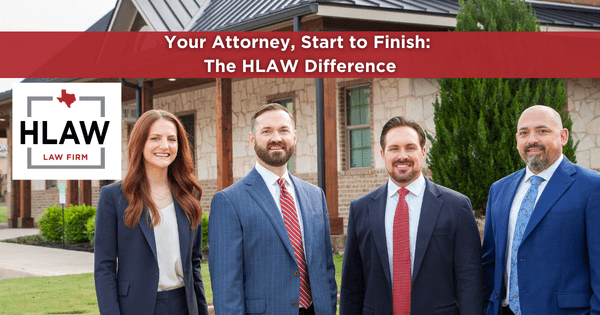













 Although a horse can transport people on a public highway, it is not a device in the mechanical sense. For this reason, courts and prosecutors in Texas should not treat intoxicated horseback riding as a DWI offense.