Tag

Personal Injury

Clock in a courtroom with text overlay "How long do I have to file a personal injury lawsuit in Texas?" and HLAW logo, emphasizing urgency in personal injury claims in Texas.

How Long Do You Have to File a Personal Injury Lawsuit in Texas?

ByPersonal Injury
Clock on a wall displaying the question "How long do I have to file a personal injury lawsuit in Texas?" with HLAW logo, emphasizing the urgency of filing personal injury claims in Texas.

Don’t miss your window to file a claim—learn the statute of limitations for personal injury cases in Texas.

If you’ve been injured in an accident in Texas, you may be considering filing a personal injury lawsuit to seek compensation for your losses. However, time is of the essence. Texas law sets strict deadlines for filing personal injury claims, and missing these deadlines could mean losing your right to pursue compensation. In this blog post, we’ll explain the statute of limitations for personal injury cases in Texas and what you need to know to protect your legal rights.

What Is the Statute of Limitations?

The statute of limitations is the legal deadline for filing a lawsuit. In Texas, the statute of limitations for personal injury cases is typically two years from the date of the injury. This means you must file your lawsuit within two years of the accident or incident that caused your injuries.

Key Points About the Two-Year Deadline

  1. Accident Date Matters: The clock starts ticking on the date the injury occurred. For example, if you were injured in a car accident on January 1, 2025, you would generally have until January 1, 2027, to file your lawsuit.
  2. Discovery Rule: In some cases, the statute of limitations may begin later if the injury wasn’t immediately discoverable. For example, if you were exposed to a harmful substance and didn’t realize the effects until months later, the clock may start when you discovered or reasonably should have discovered the injury.
  3. Minors and Legal Disabilities: If the injured party is a minor or has a legal disability (e.g., mental incapacitation), the statute of limitations may be tolled (paused) until the minor turns 18 or the legal disability is removed.
  4. Wrongful Death Claims: If the injury results in death, the statute of limitations for filing a wrongful death lawsuit is two years from the date of the person’s death, not the date of the injury.

Exceptions to the Rule

While the two-year statute of limitations is the general rule, there are some exceptions that may shorten or extend the deadline:

  • Claims Against Government Entities: If your injury involves a government entity, such as a city bus or a state employee, you may need to file a notice of claim within six months or less. Failing to do so could bar your lawsuit entirely.
  • Fraud or Concealment: If the at-fault party concealed their role in causing your injury, the statute of limitations may be extended to account for the time it took to uncover the fraud.
  • Statutory Exceptions: Certain laws or circumstances may alter the filing deadline. For example, medical malpractice cases have their own specific deadlines and requirements under Texas law.

Why Acting Quickly Is Important

Even though you technically have two years to file a personal injury lawsuit, waiting too long can hurt your case. Here’s why:

  • Evidence Can Be Lost: Physical evidence, witness memories, and other critical information can fade or disappear over time.
  • Insurance Deadlines: Many insurance companies have their own internal deadlines for filing claims, which are often much shorter than the statute of limitations.
  • Building a Strong Case Takes Time: Gathering medical records, expert opinions, and other documentation is time-intensive. The sooner you start, the better your chances of success.

How to Protect Your Rights

To ensure you don’t miss the deadline for filing your personal injury lawsuit, consider these tips:

  • Consult an Attorney Early: An experienced personal injury attorney can help you understand your legal rights, calculate deadlines, and build a strong case.
  • Document Everything: Keep records of your medical treatments, accident reports, and any communication with insurance companies.
  • Don’t Wait to File: Filing sooner rather than later can help avoid complications and ensure all deadlines are met.

Conclusion

In Texas, you generally have two years from the date of your injury to file a personal injury lawsuit. However, exceptions and special circumstances can alter this timeline. To protect your rights and ensure you don’t miss your chance to seek compensation, it’s crucial to act quickly and consult an experienced attorney. Our attorneys have years of experience dealing with personal injury and wrongful death claims and would be honored to speak to you about your case and talk to you more about your matter. But, if you or a friend or family member have been seriously injured, don’t let time run out on your claim—take action today!

Click Here to contact our office for a free case evaluation.

Gavel resting on stack of cash with text "How much is my personal injury case worth in Texas?" and HLAW Law Firm logo, symbolizing personal injury compensation in Texas.

How much is my personal injury case worth in Texas?

ByPersonal Injury
Gavel striking bills with text "How much is my personal injury case worth in Texas?" emphasizing legal insights on personal injury compensation in Texas.

Curious about what your injury case might be worth? Texas law outlines key factors in determining compensation.

If you’ve been injured in an accident in Texas, one of the first questions you may have is: “How much is my case worth?” The truth is, there isn’t a one-size-fits-all answer. Every personal injury case is unique, and the value of a claim can depend on a variety of factors—from the nature of the injuries to the extent of negligence. In this blog post, we’ll break down the essential elements that affect the value of a personal injury case in Texas, helping you get a clearer picture of what to expect.

The Basics: Types of Recoverable Damages

When you pursue a personal injury case in Texas, you’re generally seeking compensatory damages—the financial award meant to cover the losses caused by your injury. These damages fall into two main categories:

Economic Damages

    • Medical Expenses: This includes hospital bills, medication costs, physical therapy, and future medical expenses related to the injury.
    • Lost Wages: If you have to take time off work, you can seek compensation for lost income. If your injury affects your long-term earning capacity, you may also be entitled to future lost wages.
    • Property Damage: If your personal property (like a vehicle in a car accident) was damaged, the cost of repairs or replacement can be included.

Non-Economic Damages

    • Pain and Suffering: In Texas, you can recover damages for physical pain, mental anguish, emotional distress, and related issues.
    • Loss of Consortium: Spouses and sometimes family members may be able to recover damages if the injury has affected the relationship.
    • Loss of Enjoyment of Life: If your quality of life or your ability to engage in hobbies and activities you once enjoyed has been diminished, these losses can sometimes be compensated.

In rare cases, you might also be eligible for punitive damages if the defendant’s actions were especially reckless or malicious. However, punitive damages are subject to specific legal standards and caps in Texas.

Factors That Influence the Value of Your Case

Calculating the value of your case involves weighing several important factors:

Extent of Injuries – The severity of your injuries plays a major role. For example, minor cuts and bruises generally lead to lower-value claims than permanent disabilities or severe injuries requiring ongoing medical treatment.

Clear Liability or Fault – If there’s little doubt that the other party was at fault—say, in a car accident where the other driver was clearly negligent—your chance of receiving a higher settlement increases. Texas follows a modified comparative fault rule, meaning your compensation might be reduced if you bear some responsibility for the accident. If you’re found 50% or more at fault, you may be barred from recovering damages altogether.

Evidence and Documentation – Solid evidence—such as medical records, photographs, witness statements, and expert testimonies—strengthens your case. The more proof you have, the more likely you can negotiate for a favorable settlement or succeed at trial.

Insurance Policy Limits – Often, the at-fault party’s insurance coverage will dictate how much you can realistically recover. Even if your damages exceed the policy limits, an insurance company typically won’t pay more than the covered amount unless there are special circumstances.

Negotiation vs. Trial – Most personal injury claims settle out of court, but if negotiations fail, your lawyer might advise you to file a lawsuit. Trials can be lengthy and expensive, but they can also lead to a higher award if a jury finds in your favor—though this is not guaranteed and comes with additional risk.

Texas Damage Caps – Texas imposes certain statutory caps on damages in specific types of cases, especially medical malpractice claims. In other personal injury cases (like car accidents or slip-and-falls), there typically isn’t a strict cap on compensatory damages. However, punitive damages (if awarded) are capped in Texas. The cap is generally set at:

  • $200,000, or
  • Twice the amount of economic damages plus an equal amount of non-economic damages (up to $750,000).

This means the maximum possible in punitive damages is the greater of these amounts, though every case is fact-specific and these limits can be complex. Consulting an attorney for clarity is important if punitive damages might apply to your situation.

The Role of a Personal Injury Attorney

Why hire a lawyer? Here are a few reasons:

  • Case Assessment: A personal injury attorney will evaluate the facts of your case, gather evidence, and assess potential damages.
  • Dealing with Insurance Companies: Insurance adjusters often try to settle for the lowest possible amount. An attorney can handle negotiations and prevent you from accepting an unfair offer.
  • Litigation Experience: If negotiations fail, an experienced trial attorney can file a lawsuit and advocate for your best interests in court.

While you can handle a claim on your own in some cases—especially minor ones—a skilled lawyer can help you avoid pitfalls that might reduce your compensation.

Common Myths About Personal Injury Cases

Myth #1: All personal injury claims result in huge settlements.
Reality: Many personal injury claims result in more modest amounts that simply cover medical bills and lost wages. Significant settlements or verdicts often involve catastrophic injuries or gross negligence.

Myth #2: Hiring an attorney means you’re definitely going to trial.
Reality: Most personal injury cases settle out of court. A strong claim can encourage the other side to offer a fair settlement.

Myth #3: You can predict a settlement amount by looking at other cases.
Reality: Even cases with similar injuries vary greatly depending on factors like liability, damages, and unique circumstances.

Getting the Best Possible Outcome

To maximize your compensation in a Texas personal injury case, consider these steps:

  1. Seek Medical Attention Immediately: Prompt treatment not only helps you recover but also documents the extent of your injuries.
  2. Document Everything: Keep a file of all medical records, bills, photos of your injuries/property damage, and correspondence with insurance companies.
  3. Avoid Talking Too Much: Be cautious about giving recorded statements or signing any documents without consulting an attorney.
  4. Stay Off Social Media: Comments, photos, or “check-ins” can be used to dispute the severity of your injuries.
  5. Consult an Experienced Attorney: A reputable Texas personal injury lawyer can guide you through the process and help protect your rights.

Final Thoughts

Determining the value of a personal injury case in Texas is a nuanced process that depends on numerous factors, including the severity of your injuries, liability, and the available insurance coverage. While there’s no foolproof formula to calculate your exact settlement or verdict, understanding the types of damages, legal framework, and the role of strong evidence can give you a good starting point.

If you’d like to discuss your potential claim or learn more about how Texas law may apply to your unique situation, HLAW would love to help.  Don’t hesitate to reach out to our office for a free case evaluation.

Disclaimer: This blog post is for informational purposes only and does not constitute legal advice. Laws and regulations change over time, and your specific situation may require tailored guidance. If you have questions about your case, it’s always best to consult with an experienced Texas personal injury attorney.

Car accident scene with damaged vehicle and emergency responders, text overlay: "What Qualifies as a Personal Injury in Texas?" HLAW logo visible, highlighting personal injury law context in Texas.

What Qualifies as a Personal Injury in Texas? A Quick Guide to Claims & Compensation

ByPersonal Injury

When accidents or injuries happen, understanding whether your situation qualifies as a personal injury case is crucial. A Texas Personal Injury Case arises when someone is harmed due to another party’s negligence, intentional actions, or strict liability. In this blog post, we’ll break down what qualifies as a personal injury case and provide examples to help you determine your next steps.

Car crash scene with emergency responders, featuring text overlay "What Qualifies as a Personal Injury in Texas?" and HLAW logo, emphasizing personal injury law in Texas.

A serious car crash highlights the importance of understanding what legally qualifies as a personal injury in Texas.

The Basics of Texas Personal Injury Cases

A personal injury case typically involves:

  1. Duty of Care: The responsible party owed a legal duty to act in a way that avoids causing harm to others.
  2. Breach of Duty: The responsible party failed to meet that duty, either through negligence or intentional actions.
  3. Causation: The breach of duty directly caused the injury.
  4. Damages: The injured party suffered measurable harm, such as medical expenses, lost wages, or pain and suffering.

Common Types of Personal Injury Cases in Texas

  1. Car Accidents

    One of the most common types of personal injury cases, car accidents occur when a driver acts negligently, such as speeding, texting while driving, or running a red light. Texas law requires drivers to carry liability insurance to cover damages they cause.

  2. Slip and Fall Accidents

    Property owners have a duty to maintain safe premises. If you slip, trip, or fall due to hazards like wet floors, uneven surfaces, or poor lighting, you may have a personal injury case under premises liability law.

  3. Workplace Injuries

    Texas employers must provide a safe working environment. If an injury occurs on the job, workers may be eligible for workers’ compensation or, in some cases, file a lawsuit for damages if the employer’s negligence was involved.

  4. Medical Malpractice

    When healthcare providers fail to meet the standard of care, patients can suffer harm. Examples include surgical errors, misdiagnosis, or medication mistakes. Texas has specific laws governing medical malpractice claims, including damage caps.

  5. Product Liability

    If a defective product causes injury, you may be able to file a lawsuit against the manufacturer, distributor, or retailer. Common cases involve faulty machinery, contaminated food, or unsafe toys

  6. Dog Bites and Animal Attacks

    Texas law holds pet owners responsible if their animal injures someone, especially if the owner knew the animal had aggressive tendencies.

  7. Wrongful Death

    If a loved one dies due to another party’s negligence or wrongful act, surviving family members may file a wrongful death claim to seek compensation for their loss.

Examples of Negligence in Personal Injury Cases

Negligence can take many forms, including:

  • Distracted driving (e.g., texting or eating while driving)
  • Failing to clean up spills or repair hazards on a property
  • Ignoring safety protocols at work
  • Manufacturing a product with design flaws

Proving a Personal Injury Case

To successfully pursue a personal injury case, you’ll need to prove:

  • The other party’s fault: This often requires evidence such as photos, video footage, police reports, or witness statements.
  • Your damages: Medical records, bills, pay stubs, and expert testimony can help establish the financial and emotional impact of your injury.

Damages in Personal Injury Cases

If your case is successful, you may recover:

  • Economic damages: Medical expenses, lost wages, property damage, and future earning capacity.
  • Non-economic damages: Pain and suffering, emotional distress, and loss of enjoyment of life.
  • Punitive damages: Awarded in rare cases to punish extreme negligence or intentional misconduct.

Do You Have a Case?

If you’re unsure whether your situation qualifies as a personal injury case, we would be happy to visit with you and offer a free consultation. We can evaluate your case, explain your legal options, and help you seek the compensation you deserve.

Conclusion

Personal injury cases in Texas cover a wide range of situations, from car accidents to product liability. The key is proving negligence, causation, and damages. If you believe you’ve been harmed due to someone else’s actions, don’t wait to take action—time limits apply to most personal injury claims. Don’t wait – Texas law limits how long you have to file a personal injury claim! Contact us today for a free consultation and get the justice you deserve.

Learn more about filing a personal injury claim in Texas.

Gavel on a table with blurred hands in discussion, highlighting factors to consider when choosing a personal injury firm in Fort Worth, Texas.

What factors should I consider when choosing a personal injury firm in Fort Worth, Texas?

ByPersonal InjuryNo Comments


How to Choose the Best Personal Injury Firm in Fort Worth: Key Factors and Lawyer Reviews

Image featuring a gavel on a table with hands of two individuals in business attire discussing factors for selecting a personal injury firm in Fort Worth, Texas, with an overlay text asking, "What factors should I consider when choosing a personal injury firm in Fort Worth, Texas?"Selecting the right personal injury firm in Fort Worth can significantly impact the outcome of your case. With numerous options available, understanding the key factors that influence your choice is essential. This article will guide you through the critical elements to consider when choosing a personal injury lawyer, including their experience, reputation, and client reviews. By the end, you will be equipped with the knowledge to make an informed decision that aligns with your needs and expectations.

What Are the Most Important Factors When Choosing a Fort Worth Personal Injury Lawyer?

When selecting a personal injury lawyer in Fort Worth, several factors play a crucial role in ensuring you receive the best representation. These include the attorney’s experience, the law firm’s reputation, and the feedback from previous clients. Understanding these elements can help you gauge the potential success of your case and the level of service you can expect.

How Does Attorney Experience Impact Your Injury Case Outcome?

The experience of an attorney is vital in personal injury cases, as it directly influences the outcome. Experienced lawyers possess a deep understanding of the legal landscape, which allows them to navigate complex cases effectively. They are familiar with the tactics used by insurance companies and can leverage their knowledge to negotiate better settlements. Furthermore, a seasoned attorney often has a proven track record of success in similar cases, which can instill confidence in clients.

Indeed, the value of an experienced attorney in personal injury cases is consistently highlighted in legal scholarship.

Why Is a Law Firm’s Reputation Crucial in Fort Worth?

A law firm’s reputation is a significant factor in your decision-making process. A firm with a strong reputation is likely to have a history of successful case outcomes and satisfied clients. This reputation can be assessed through client reviews, peer recognition, and awards. A well-regarded firm not only enhances your chances of a favorable outcome but also provides peace of mind, knowing that you are in capable hands.

How Can You Evaluate Fort Worth Injury Lawyer Reviews Effectively?

Evaluating reviews of personal injury lawyers in Fort Worth is essential for making an informed choice. Reviews can provide insights into the experiences of past clients and highlight the strengths and weaknesses of a firm. When assessing these reviews, look for detailed testimonials that discuss specific outcomes and the overall satisfaction of clients.

What Should You Look for in Client Testimonials and Case Success Stories?

When reading client testimonials, focus on the specifics of their experiences. Look for mentions of successful case outcomes, the attorney’s communication style, and the level of support provided throughout the legal process. Testimonials that detail the challenges faced and how the attorney helped overcome them can be particularly telling of their capabilities.

How Do Online Review Platforms Influence Your Choice?

Online review platforms, such as Yelp and Avvo, play a significant role in shaping your perception of a personal injury lawyer. These platforms aggregate client feedback and provide a broader view of a lawyer’s reputation. Pay attention to the overall ratings, the number of reviews, and the consistency of feedback across different platforms. A lawyer with numerous positive reviews is likely to be a reliable choice.

What Questions Should You Ask During a Personal Injury Lawyer Consultation in Fort Worth?

During your initial consultation with a personal injury lawyer, asking the right questions is crucial to understanding their approach and capabilities. This dialogue can help clarify their fee structures, communication preferences, and overall strategy for your case.

Understanding the dynamics of client decision-making during this crucial phase is further illuminated by research into the lawyer-client relationship.

Which Fee Structures and Contingency Costs Should You Clarify?

Understanding the fee structure is essential when hiring a personal injury lawyer. Most personal injury attorneys work on a contingency fee basis, meaning they only get paid if you win your case. Clarify the percentage they will take from your settlement and any additional costs you may incur. This transparency will help you avoid unexpected expenses later on.

How to Assess Consultation Availability and Attorney Communication?

Effective communication is vital in any attorney-client relationship. During your consultation, assess how responsive the attorney is to your questions and concerns. Inquire about their availability for meetings and updates on your case. A lawyer who prioritizes communication will likely provide a better overall experience.

How Do Fort Worth Car Accident Attorneys Handle Personal Injury Claims?

Understanding how personal injury claims are handled in Fort Worth is essential for anyone involved in an accident. Car accident attorneys typically follow a structured process to ensure that clients receive the compensation they deserve.

What Is the Typical Personal Injury Claim Process in Texas?

The personal injury claim process in Texas generally involves several key steps. Initially, the attorney will gather evidence, including police reports and medical records, to build a strong case. Next, they will negotiate with insurance companies to reach a fair settlement. If a settlement cannot be reached, the attorney may file a lawsuit and represent you in court. This structured approach ensures that all aspects of your case are thoroughly addressed.

How Long Do Personal Injury Cases Usually Take in Fort Worth?

The duration of personal injury cases can vary significantly based on several factors, including the complexity of the case and the willingness of the parties to negotiate. On average, personal injury cases in Fort Worth can take anywhere from several months to a few years to resolve. Factors such as the need for extensive medical treatment or disputes over liability can extend this timeline.

How to Verify a Personal Injury Law Firm’s Reputation and Success Rate in Fort Worth?

Verifying a law firm’s reputation and success rate is crucial before making your final decision. This process involves researching their track record and understanding how they have performed in past cases.

Where to Find Reliable Case Success Statistics and Legal Credentials?

To verify a law firm’s success rate, look for case success statistics on their website or legal directories. Many firms publish their achievements, including the number of cases won and the total amount recovered for clients. Additionally, checking their credentials through the Texas State Bar Association can provide insights into their standing and any disciplinary actions.

How Does Local Legal Expertise Affect Your Injury Claim?

Local legal expertise can significantly impact your injury claim. Attorneys familiar with Fort Worth’s legal landscape understand the nuances of local laws and regulations. This knowledge can be advantageous in navigating the legal system and ensuring that your case is handled effectively. Furthermore, local attorneys often have established relationships with judges and opposing counsel, which can facilitate smoother negotiations.

Why Choose Howard Lotspiech Alexander & Williams, PLLC (HLAW) for Your Personal Injury Case in Fort Worth?

Howard Lotspiech Alexander & Williams, PLLC (HLAW) exemplifies the qualities outlined in this article, making it an excellent choice for your personal injury needs in Fort Worth. Our firm combines extensive attorney experience, a strong reputation, and a commitment to client satisfaction that aligns perfectly with the key factors you should consider when selecting legal representation.

At HLAW, our attorneys bring years of specialized experience in personal injury law, having successfully handled a wide range of cases similar to yours. This experience equips us to navigate the complexities of insurance negotiations and litigation effectively, maximizing your chances of a favorable outcome.

Our firm’s reputation in the Fort Worth community is built on a foundation of trust, integrity, and proven results. We are proud of the positive reviews and testimonials from past clients who highlight our communication, dedication, and successful case resolutions. These endorsements reflect our commitment to providing personalized and attentive legal service.

We understand the importance of transparent fee structures and clear communication. During your consultation with HLAW, we will thoroughly explain our contingency fee arrangement and ensure you are fully informed about any potential costs. Our attorneys prioritize responsiveness and accessibility, keeping you updated throughout every stage of your case.

Moreover, our deep local legal expertise and established relationships within the Fort Worth legal community enable us to advocate effectively on your behalf. We are dedicated to guiding you through the personal injury claim process with professionalism and care, ensuring that your rights are protected and your interests vigorously represented.

Choosing Howard Lotspiech Alexander & Williams, PLLC means partnering with a firm that not only meets but exceeds the criteria for selecting the best personal injury lawyer in Fort Worth. We invite you to contact us for a consultation to discuss how we can assist you in achieving the best possible outcome for your case.

For a free case evaluation and consultation with our team, contact us today!

Accidents on icy roads in Texas with text overlay "Accidents on Icy Roads: Who is Liable?" and HLAW logo in the corner.

Accidents on Icy Texas Roads: Who is Liable?

ByCar Wreck

Accidents on icy roads with blurred highway background and text "Accidents on Icy Roads: Who is Liable?" highlighting personal injury risks in Texas.When we think of extreme weather in Texas, we generally think of severe thunderstorms, hail, wind, and tornados, but, as we have learned, ice and snow storms can be just as dangerous and deadly. There’s also a human factor when snow and ice hit Texas that increases the likelihood of severe injuries and even death for the untrained, inexperienced, and careless driver.

A Federal Highway Administration report states that on average, icy roads cause 151,944 vehicle accidents, 38,770 crash injuries, and 559 crash fatalities a year. These ice-related accidents produce roughly 11% of all weather-related accidents in the country. This is alarming because it shows how dangerous icy roads can be, but it should also alert you to the possibility of personal injury or property damage if you decide to drive in icy conditions.

Icy Roads in the Texas News

The Basics of Negligent Driving in Texas

In the simplest form, negligence involves:

  • A duty to a person (the duty to be a careful, safe driver);
  • A breach of that duty (driving too fast, etc); and
  • That breach causing damages to another person (property damage, injuries, or death caused by a car accident).

Every driver has a basic duty to other drivers to drive safely and not collide with anyone. This requires them to drive as a reasonably prudent person would drive in the given situation. When they breach that duty, or collide with another person or vehicle, they may be liable for the physical or financial damages they caused. But what if the roads were icy and the driver lost control?

Ice is NO Defense to an Accident! | Liability for Accident and Injuries in Winter Conditions

Drivers are expected to take note of weather and road conditions and adjust their driving accordingly. When the temperatures are near or below freezing and precipitation is present, there is a strong possibility of ice on the roads. Because a driver should know of the chance of icy conditions, they should drive as a reasonably prudent person would drive on icy roads.  Blaming the ice will not work if the driver crashes into another car on the road.

Precautionary Measures for Driving in Icy Weather | Driving in Texas in the Winter

When there may be ice on the roads, you should take precautionary measures when driving:

  • Don’t drive unless you have to;
  • Follow your local news or go to drivetexas.org* to get updates on road conditions;
  • Drive below the speed limit;
  • Do not get distracted from the road; and
  • Avoid hills, bridges, and low spots if you can.

If you are hit by a driver who was driving in icy conditions, even if they lost control, they may be liable for negligently driving. You should contact your attorney with the accident report and any other information from the accident to help work through your options.

For more winter weather driving tips, click here.

*drivetexas.org is run by the Texas Department of Transportation who also posts on social media outlets.

Purchasing car insurance in Texas? Laptop displaying car insurance policy with text highlighting key acronyms related to car insurance.

What You Need to Know When Buying or Renewing Your Car Insurance

ByCar Wreck

Protect Your Family By Knowing These 3 Car Insurance Acronyms

Purchasing car insurance in Texas? 3 car insurance acronyms you need to know, featuring a laptop with insurance text and HLAW logo.Car insurance premiums, like everything else these days, have reached historic highs. You get your renewal notice in the mail and gasp at the increase. So, you make the call to your insurance agent to see what can be done to save you money.

We’ve all seen the commercials – switch to us, bundle this with that, install this in your car, etc. and promises are made to save you money! A lot of times you will receive discounts by doing these things, BUT one of the main ways that insurance companies try to “save you money” is by asking you to reject KEY options in your policy that you’re unfamiliar with.

Here are the acronyms we want to educate you about:

UM – Uninsured Motorist Policy
UIM – Underinsured Motorist Policy
PIP – Personal Injury Protection

Under Texas law, these three options are required to be offered to you by your insurance company. However, you can choose to reject them as part of your car insurance policy if you so choose (Texas Insurance Code Art. 5.06(1) & Sec. 1952.152(b).)

It’s important to note these insurance options are part of YOUR insurance policy that add extra layers of coverage if you or your family are involved in a car wreck. Let’s talk about what these options are and why they are crucial to providing the adequate protection you need.

What is Uninsured Motorist Insurance (UM)?

This one’s pretty straightforward. This Uninsured Motorist insurance provides coverage if you are involved in an accident with another at-fault driver who does NOT have car insurance. Research estimates that around 1,500,000 drivers in Texas are not insured. That’s a lot of folks and the importance of having this insurance cannot be overstated!

What is Underinsured Motorist Insurance (UIM)?

This insurance provides coverage when you are involved in an accident and the at-fault party’s insurance limits aren’t enough to pay for your or your family’s medical bills, lost wages, loss of earning capacity, pain and suffering, etc. Believe it or not Texas’ minimum policy limits for auto insurance is STILL $30,000 per person/$60,000 per accident (Texas Transportation Code 601.072.) Those are the same minimum coverage amounts that existed in 2011! We could go into further discussion regarding why those amounts haven’t increased in 12 years, but we think it’s pretty obvious that the insurance companies have done a good job of making sure our state legislature doesn’t address this issue. When you consider how expensive medical bills have become and how much inflation has occurred over the last 12 years, it becomes apparent that this insurance is extremely necessary, too.

What is Personal Injury Protection (PIP)?

If you are involved in a car wreck, regardless of who is at fault, Personal Injury Protection insurance provides coverage to a certain limit for necessary expenses for:

1) Necessary medical, surgical, x-ray, or dental services, including prosthetic devices, and necessary ambulance, hospital, professional nursing or funeral services
2) Replacement of income lost as the result of the accident (lost wages) and,
3) if not an income or wage producer, reimbursement of necessary and reasonable expenses for essential services ordinarily provided by that person for care and maintenance of the family or household (Texas Insurance Code 1952.151.)

This coverage extends not only to the driver, but also to all occupants in the vehicle driven by you or your family member. It also provides coverage to you or your family member if you or they are a passenger in another vehicle driven by another person with their own insurance.

These three options were created by law to provide solid insurance coverage to protect Texas citizens and their families. For insurance companies, however, it’s not good for their bottom line and profits.

And, unfortunately, Texas law allows a way for insurance companies to avoid offering these options as part of your insurance policy. How do they do it? By getting YOU to agree to reject these options at the time you purchase your car insurance.

Now that you’ve read this and know what these insurance options provide, you would never agree to reject them, right? The reality, however, is that when you’re going through the insurance shopping experience (especially nowadays with current inflation rates) your focus becomes:

“HOW MUCH IS THIS GOING TO COST ME AND ARE THERE WAYS TO SAVE ME MONEY?”

Therein lies the vulnerability that insurance companies love to pounce on.

Your insurance agent or company will offer to save you a nominal amount of money if you agree to reject these options. We use the word nominal because the savings you might see are significantly outweighed by the out-of-pocket costs you will experience if involved in a car wreck and don’t have these coverages.

It’s worth noting that some insurance companies operate in such a way that they’d prefer to not even discuss UM/UIM/PIP and will instead deceptively present rejecting them as an easy option to save money without informing you fully about the consequences of doing so. That is exactly why we are providing you with the information in this article. Most shoppers are savvy these days and want to be informed about their purchases. We hope this article helps educate you about why these insurance options matter and how rejecting them ultimately offers you no real benefit. Don’t let the small amount of increase in your total policy premium deter you from REFUSING to reject UM/UIM/PIP coverage. Simply put – the additional amount you will pay IS WORTH IT.

Things we recommend when shopping for your insurance or when renewing it:

1) CONFIRM with your insurance agent or company that you are NOT rejecting UM/UIM/PIP,
2) READ WHAT YOU SIGN – we know this can be overwhelming and the insurance companies prefer it that way but do your best,
3) LOOK SPECIFICALLY for documentation that indicates you are rejecting UM/UIM/PIP,
4) LOOK SPECIFICALLY at your declarations page and look to see where UM/UIM/PIP coverages are included,
5) PAY ATTENTION to the minimum amounts for each so you know what you’re getting, and
6) IF YOU WANT MORE THAN THE MINIMUM COVERAGE, ask your insurance agent what higher limits they offer.

One more thing to note – if, after reading this article, you look at your policy and discover that you have rejected UM/UIM/PIP as part of your insurance coverage, call your insurance agent or company and inform them you want it added as soon as possible. We often handle cases where the client has rejected UM/UIM/PIP and unfortunately discover the “full coverage” they thought they had is far from it.

We’ll conclude with this – our hope is you have solid insurance coverage and NEVER need to use it. That really is the best case. If, however, you or your family are involved in a car accident, we highly recommend you consult with an attorney. Barnett, Howard & Williams, PLLC offers a free consultation and are here if you need us.

Stowers Doctrine graphic emphasizing good faith in claim settlements, featuring a document marked "FINAL DEMAND" and a pen, relevant to personal injury law and insurance claims in Texas.

The Stowers Doctrine | Good Faith in the Settlement of Claims

ByCar Wreck, Personal Injury

What is the Stowers Doctrine and How Does it Apply to a Personal Injury Case in Texas?

Stowers Doctrine graphic emphasizing good faith in insurance claim settlements, featuring a legal document and the HLAW logo.Under the typical Texas liability insurance policy both the insurer and the insured have mutual obligations and rights. The insured pays a premium to their insurance company to protect against unexpected losses and claims. On the other hand, the insurance company has a duty to defend against claims covered under the policy and a right to control the defense of litigation should it arise.1 Included in the right to control litigation is the insurer’s authority to make the decisions concerning policy coverage, the merits of claims made by third parties against the insurance company, and the settlement of such claims.2 But what happens when an insurance company refuses an offer to settle within the policy limits?
According to the Stowers Doctrine, the insurer has an implied duty to act in good faith and accept reasonable settlement demands within policy limits.3 This is called the Stowers duty. Through this duty the insurer protects the insured against judgements in excess of policy limits. Under the Stowers Doctrine, if an insurance company negligently failed to accept a reasonable offer within policy limits and a jury then returns a verdict in excess of the policy limits, the insurance company may be liable for the entire verdict, even though it exceeds policy limits.4

History of the Stowers Doctrine

The Stowers Doctrine originated in 1929 from the Texas Supreme Court case G.A. Stowers Furniture Co. v. American Indemnity, Co., 15 S.W.2d 544 (Tex.). Stowers Furniture Co. had an auto insurance policy with American Indemnity for $5,000. During the policy term, a furniture employee’s truck was involved in an accident and suit was brought by the injured passenger, claiming $20,000 in damages. While the suit was pending, the injured party served Stowers with a letter offering to settle for $4,000—within policy limits. The letter gave a deadline to accept the offer and provided proof of the excessive damages. American Indemnity refused to settle and went to trial with the intention of saving money. They lost at trial and a jury awarded the injured party more than twice the amount of the policy. The terms of the insurance policy stated that Stowers was responsible for a judgment in excess of the policy limits. Stowers paid the judgement and then sued the insurance company for reimbursement.

The Texas Supreme Court held that American Indemnity owed a duty to Stowers to exercise ordinary care in the settlement of claims. American Indemnity was responsible for protecting the insured up to the policy limit. The Court remanded the case to the district court to allow testimony of the serious nature of the passenger’s injuries to determine if American Indemnity was negligent in refusing the settlement offer.5 If American Indemnity rejected a reasonable settlement within the policy limits, they would potentially be liable for the entire judgement, even that in excess of the policy.6

The purpose behind Stowers is to encourage insurance companies to settle claims for the policy limit. Because insurance companies have complete power over litigation, they have a corresponding duty to their insured to exercise the same degree of care that a prudent person would exercise under similar circumstances. Failing to exercise such care is deemed negligent on the part of the insurance company.7 Put simply, the insured is protected from the insurance company taking a risk when a reasonable person would have settled.

How Does a Stowers Demand Work?

The Stowers Doctrine is a tool unique to Texas law and has created a new type of settlement demand: the Stowers demand. This demand is a time-sensitive letter sent to a third-party insurance carrier with an offer to settle within the insured’s policy limits.8 For a Stowers demand to be valid, five requirements must be met:

  1. the claim against the insured is within the scope of coverage;
  2. liability is reasonably clear;
  3. the demand is within the limits of the policy;
  4. the settlement terms are such that an ordinarily prudent insurer would accept it when considering the likelihood and degree of the insured’s potential exposure to an excess judgment; and
  5. the demand offers the insurer an unconditional, full release for liability.9

If these requirements are met and the insurer fails to accept the offer by the deadline, the defendant’s insurance company may be held responsible for verdict in excess of its insured’s policy limits.10

Footnotes:

  1.  Stephen G. Cochran, Texas Practice Series: Consumer Rights and Remedies § 5.13 (3d ed. 2017).
  2.  Id.
  3.  American Physicians Ins. Exch. v. Garcia, 876 S.W.2d 842, 846 (Tex. 1994).
  4.  SeeG.A. Stowers Furniture Co. v. American Indemnity, Co., 15 S.W.2d 544, 547 (Tex. 1929).
  5.  Id. at 548
  6.  Id. at 547
  7.  Texas Farmers Ins. v. Soriano, 881 S.W.2d 312, 314 (Tex. 1994).
  8.  American Physicians Ins. Exch. v. Garcia, 876 S.W.2d 842, 844–45 (Tex. 1994).
  9.  Id. at 849; Trinity Universal Ins. Co. v. Bleeker, 966 S.W.2d 489 (Tex. 1998).
  10.  SeeEcotech Int’l, Inc. v. Griggs & Harrison, 928 S.W.2d 644, 646 (Tex. App.—San Antonio 1996, writ denied); Stowers Doctrine, Int’l Risk Mgmt. Inst.
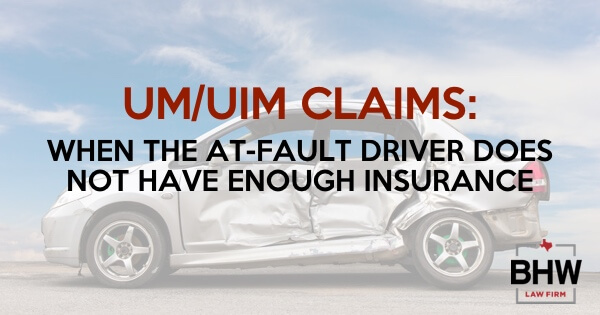
UM/UIM claims graphic highlighting the issue of insufficient insurance coverage by at-fault drivers, featuring a damaged vehicle and the text "UM/UIM CLAIMS: WHEN THE AT-FAULT DRIVER DOES NOT HAVE ENOUGH INSURANCE" with HLAW logo.

UM/UIM Insurance: When the At-Fault Driver’s Insurance is Not Enough

ByInsurance, Personal Injury

UM/UIM claims graphic highlighting the issue of insufficient insurance coverage by at-fault drivers, featuring a damaged vehicle and the text "WHEN THE AT-FAULT DRIVER DOES NOT HAVE ENOUGH INSURANCE" along with the HLAW logo.Texas law is clear that every driver must maintain financial responsibility (auto insurance). But, the truth of the matter is that there are thousands of drivers on Texas roads who are underinsured with a minimum policy or not insured at all. What this means is that if you are hit and injured in a car wreck by one of these uninsured or underinsured drivers, you may have to use your own insurance to pay for your medical bills, lost wages, lost ability to work and/or other damages.


What can you do to protect yourself if you are injured in an accident caused by an underinsured or uninsured driver?

We recommend that you carry a significant amount of uninsured motorist (UM) and underinsured motorist (UIM) protection insurance. These policies, which typically only cost you a few dollars per month, ensure that if you are injured by an underinsured or uninsured motorist you and your attorney will have a policy to pursue to properly compensate you for your injuries.

What are the minimum requirements of insurance in Texas and what else can you do to protect yourself?

Texas law requires that a driver have at least $30,000 of coverage for injuries per person, and a total of $60,000 per accident. Insurance companies also offer an option called personal injury protection (PIP). While some states require that drivers carry PIP, Texas does not. PIP is an additional option that provides coverage specifically for injuries sustained in a car wreck. Most people carry $2,500 in coverage under their PIP – this is the minimum coverage required to be “offered” in Texas when you purchase an auto insurance policy. PIP not only pays medical bills but, 80% of your lost income and reasonable household duties. You can purchase even higher limits of PIP through your insurance company and you should get as much PIP coverage as you can. Most insurance companies will sell you at least $10,000 in coverage under PIP, some even more.

Ultimately, if you are injured in a car wreck, your own PIP insurance would be the first policy to pay towards your damages before you can start to pursue the driver’s insurance who hit you.

Why the minimum coverage (and PIP) typically aren’t enough.

Often times, when you’re seriously injured, using your PIP and having the minimum amount of coverage to go after against the driver who hit you just isn’t enough. This is especially (and obviously) the case if the at-fault driver is uninsured. This is where your UIM/UM policy kicks in. If you don’t have UIM/UM coverage under your own policy, then you could be out of luck.

With UM and UIM insurance, claims that exceed your own PIP and the at-fault driver’s insurance will be covered up to the limits of your UM/UIM policy. Because of the vast amount of driver’s in Texas who are either underinsured or uninsured, in many cases UM/UIM policies are one of the only coverages available for your attorney to seek to compensate you for your injuries.

Do you need an attorney for UM/UIM cases?

Yes you do. First and foremost, you need an advocate to make sure you’re getting the most out of your claim against the at-fault driver. But if the at-fault driver is underinsured or uninsured and you have UM/UIM coverage, that doesn’t just mean that your own insurance company is going to automatically hand over the limits of your own UM/UIM policy.

When a driver seeks to be compensated out of their own UM/UIM coverage, they are often times still met with resistance by their own insurance company. The insurance company will still do what they can to pay you as little as possible (they’re a business and unfortunately, you’re often times still treated more like a number than an injured person). An attorney’s job is to break this mentality and advocate for you to be treated fairly and be taken seriously by these insurance companies – not just treated as another number in their computer programs.

What can you do if your own insurance company is not fairly compensating you under your UM/UIM policy?

The first step is to retain our firm to represent you. We’ll advocate for you and work to maximize your claim not only against the at-fault driver’s insurance company but with your insurance provider as well if you’re covered under a UM/UIM policy. Ultimately, if negotiations do not produce a fair offer from your insurance company, you may even bring suit to pursue a fair outcome against your UM/UIM policy.

To speak with an attorney about insurance policies that might be available in your case – including UM/UIM coverage – please contact our office for a free initial consultation.

Billboard advertising personal injury legal services, featuring the text "SERIOUS INJURIES DEMAND SERIOUS LAWYERS" and contact information for HLAW, alongside an image of a car accident scene.

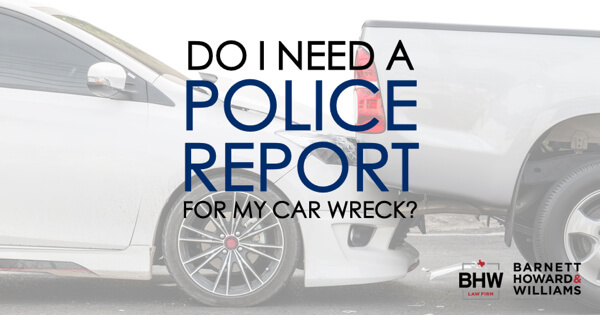
Car accident image featuring a white sedan and a pickup truck, with overlay text asking "Do I need a police report for my car wreck?" and branding for Howard Lotspeich Alexander & Williams, PLLC, emphasizing personal injury law and insurance claims.

What if I Didn’t Get a Police Report for My Car Wreck?

ByCar Wreck, Personal Injury

Do I still have a case if the police didn’t make a report on my car wreck?

Do I need a police report for my car wreck? text overlay on image of a car accident involving a white vehicle and a pickup truck, emphasizing the importance of police reports in personal injury claims.Many people involved in motor vehicle collisions may not have police or accident reports documenting the specifics of the wreck. Sometimes it could be because the wreck was not reported and the police were never called. Other times, the police may have been called but simply did not respond. Law enforcement agencies often lack the resources to respond to each and every car wreck that occurs in their jurisdiction. More and more police agencies are putting policies into place that do not require them to respond to what the agency deems a “minor” wreck. The problem is that sometimes a wreck that law enforcement deems “minor” may actually have major long-term consequences (and injuries) for the individuals involved.



What can I do if the police never made a report of my accident?

If you are involved in one of these types of wrecks, and there was no accident report filed with the police, you can still have a valid personal injury case. Regardless of the reason, you may find that you do have a legitimate case and still need to file a personal injury lawsuit to be fairly compensated for your injuries. Having a police report can be an advantage when filing a personal injury lawsuit, but even without one it is possible to file and win your case.

Other Ways to Investigate

Police reports are helpful because they provide the parties and the court with relevant facts about the accident based on the observations of unbiased law enforcement officers. But, police officers are not the only people who can provide evidence demonstrating that the other party was negligent. A private investigator can help too.

When necessary, our personal injury attorneys work with private investigators to collect evidence about cases, find and contact witnesses, and gather information to determine which party was at fault in an accident. You will not be required to pay for these services up front. The cost for these services will most likely be presented as an expense that will be deducted from the total sum of your award or settlement.

Other Sources of Information

In addition to an accident report as well as witness testimony, other documents and materials can also be gathered as evidence of your injuries and their cost. These include medical records, videos, photos and other relevant documents. Your attorney can help you obtain these records and reports during the investigation and discovery stage of your case. These documents can help to build up a solid evidentiary basis for your case that your attorney will use to negotiate a settlement or represent you in court.

Your Own Statement

You are most often your best witness. You were present when the wreck occurred and personally went through it. It is always in your best interest to first provide an account of what happened to your attorney directly. Communications between an attorney and client are confidential, so before speaking with anyone about your case you should consult with your attorney regarding what you should or should not disclose and to whom. It is best to retain one of our attorneys so that we can speak confidentially about your case and determine the best course of action to proceed.

Ultimately, it is important to put together an accurate and coherent account of what occurred. Being injured in an accident is almost always a very emotional experience. Your attorney can help you establish a timeline of the events that is logical and provides a clear picture of how the accident happened and the injuries that resulted from it. This can be very similar to the type of narrative that the police would provide if they had written a report.

If you were seriously injured in a motor vehicle collision, and there is no police report, don’t worry. You may still have a very valid case for which fair recovery for your injuries can be obtained. Our experienced motor vehicle accident lawyers can help you determine the best course of action in these situations.