Understanding Probable Cause in Texas Criminal Cases
Probable cause is a fundamental legal standard that law enforcement officers must meet to obtain a warrant for an arrest or search. It requires sufficient facts and circumstances to lead a reasonable person to believe that a crime has been committed or that evidence of a crime will be found in a particular place. Understanding this standard is crucial for anyone facing criminal charges, as it forms the basis for many police actions.
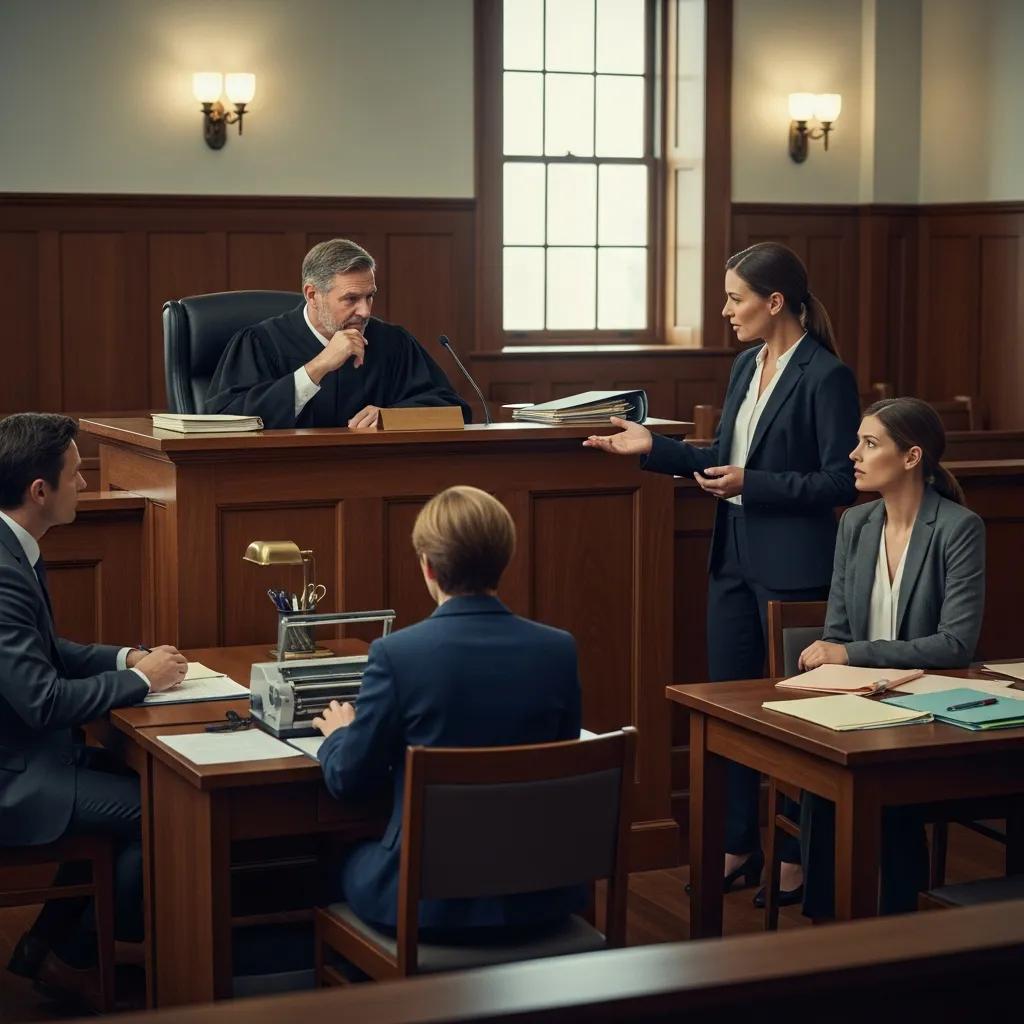
In Texas, probable cause is often established through affidavits presented to a judge. These affidavits detail the information known to the officer, including witness statements, observations, and other evidence. A Franks hearing, as mentioned in the existing content, allows a defendant to challenge the truthfulness of statements made in a probable cause affidavit, potentially leading to the suppression of evidence if the affidavit was based on false information.
Navigating Sex Crime Allegations in Fort Worth
Facing a sex crime charge can have devastating consequences, impacting one's reputation, career, and personal life. Fort Worth attorneys specializing in sex crimes defense understand the complexities of these cases, including the sensitive nature of evidence, victim testimony, and the specific statutes governing sexual offenses. Their expertise is vital in building a robust defense.
Defending against sex crime allegations often involves scrutinizing the evidence, challenging the credibility of accusers, and exploring affirmative defenses. This can include issues related to consent, mistaken identity, or false accusations. A skilled legal team will work to protect your rights and achieve the best possible outcome, whether through negotiation, plea bargaining, or a trial.
What to Expect During Probation Revocation Hearings
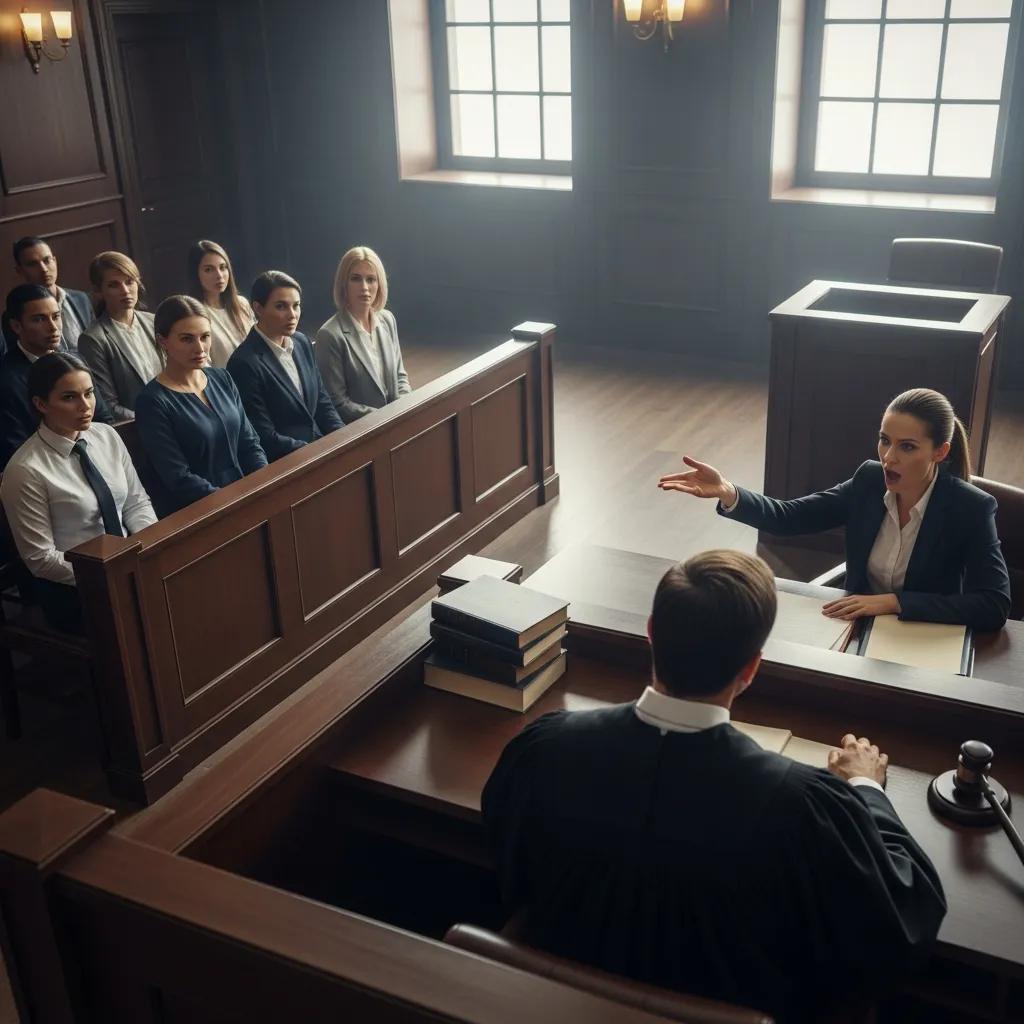
Probation is a privilege, not a right, and violating its terms can lead to revocation and imprisonment. Understanding the process of a probation revocation hearing in Texas is essential for anyone on probation. These hearings are typically less formal than criminal trials but still require a strong defense to avoid severe penalties.
During a revocation hearing, the prosecution must prove that the probationer violated one or more conditions of their probation. This can include failing drug tests, missing appointments with a probation officer, or committing new offenses. The defense has the opportunity to present evidence and arguments to show why probation should not be revoked, such as demonstrating that the violation was minor, unintentional, or that rehabilitation efforts are underway.
The Importance of DNA Evidence in Criminal Defense
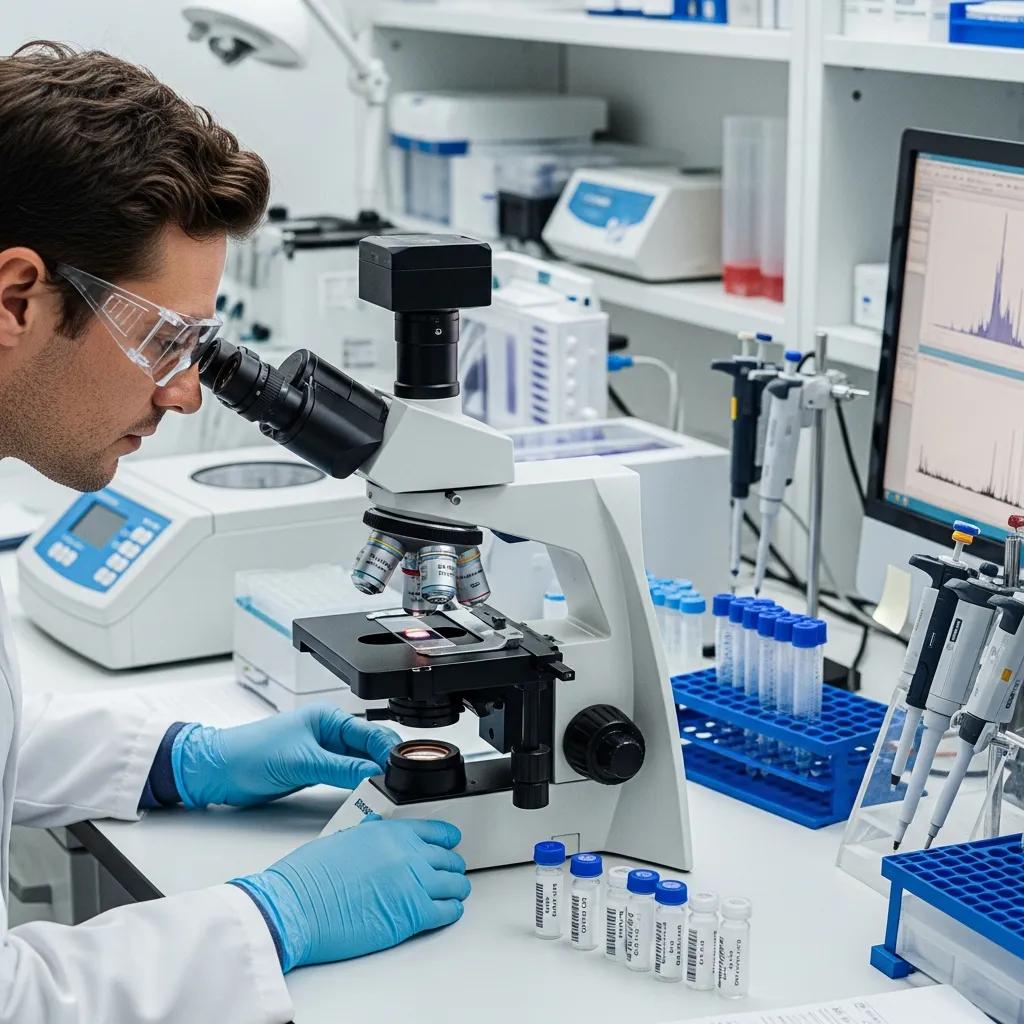
The advancement of DNA technology has significantly impacted criminal justice, offering powerful tools for both prosecution and defense. In Texas, the admissibility and interpretation of DNA evidence are governed by specific legal statutes, such as CCP 38.43. Understanding how DNA evidence is collected, analyzed, and presented in court is critical for building a defense.
DNA evidence can be used to either directly link a suspect to a crime scene or to exonerate an individual. Defense attorneys must be knowledgeable about the scientific principles behind DNA analysis, potential contamination issues, and the statistical significance of matching DNA profiles. Challenging the chain of custody or the accuracy of laboratory results can be key strategies in cases involving DNA evidence.