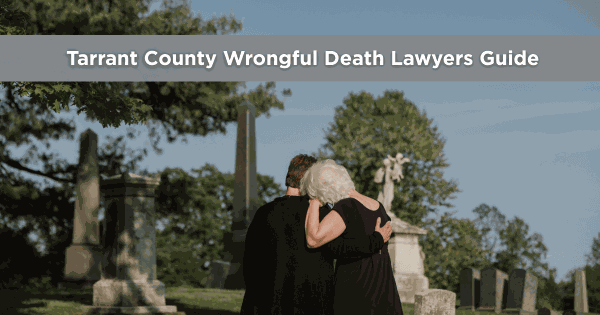
Grieving family receives guidance from experienced wrongful death attorneys in Tarrant County.
Securing experienced legal support after a loved one’s wrongful death in Tarrant County demands both compassion and expertise.
In this guide, you will learn who is eligible to file a claim, the critical two‐year deadline under Texas law, the full range of economic and non-economic compensation, how to prove negligence, the distinction between wrongful death and survival actions, a step-by-step overview of the claims process, and why Howard Lotspeich Alexander & Williams, PLLC's approach in Fort Worth delivers trusted advocacy. By the end, you will understand both your legal rights under Chapter 71 of the Texas Civil Practice and Remedies Code and how compassionate representation on a contingency-fee basis can help grieving families move forward.
Who Can File a Wrongful Death Claim in Texas?
Only specific close relatives and estate representatives may pursue compensation when negligence or wrongful acts cause a fatality. Eligible parties include the surviving spouse, all children (biological or legally adopted), and parents of the deceased. If none of these immediate family members files within three months of appointment, an appointed executor or administrator of the deceased’s estate may step in, provided no eligible family member objects.
Eligible parties share a direct relationship to the decedent and a legal interest in pursuing damages. Establishing this relationship often requires certified birth, marriage, or adoption records. In rare situations, such as when no spouse, child, or parent survives, the estate representative’s authority becomes paramount, ensuring that the claim proceeds on behalf of all potential beneficiaries.
Surviving spouse of the deceased
All children, including legally adopted offspring
Biological or adoptive parents
These defined roles guarantee that those most affected can seek justice and financial recovery, laying the groundwork for pursuing compensation in subsequent stages.
What Is the Statute of Limitations for Wrongful Death Claims in Texas?
In Texas, wrongful death lawsuits must generally be filed within two years of the date of death. This deadline arises directly from Chapter 16 of the Texas Civil Practice and Remedies Code and applies to all wrongful death claims unless a specific exception intervenes. Missing this two-year cutoff typically bars any legal action, making early consultation with an attorney essential.
Three principal exceptions extend or modify the filing period. First, a minor beneficiary under age 18 may file within two years of turning 18. Second, if the claimant is incapacitated by unsound mind, the two‐year clock does not start until the disability is removed. Third, in “delayed discovery” cases—where the negligent act was not immediately known—the statute may begin on the date the injury was discovered or reasonably should have been discovered.
Exception Type
Trigger Event
Filing Extension
Minor Beneficiary
18th birthday of minor
2 years from that birthday
Mental Incapacity
Restoration of sound mind
2 years from restoration
Delayed Discovery
Date negligence becomes known
2 years from discovery date
These extensions guard against unfair dismissal of claims when strict deadlines clash with real-world impediments, ensuring wrongful death actions remain viable under equitable circumstances.
Texas Civil Practice & Remedies Code Chapter 71 for Wrongful Death Claims brought under Chapter 71 of the Texas Civil Practice and Remedies Code are often complex and require careful consideration of the specific facts and circumstances of each case.
What Types of Damages Can You Recover in a Texas Wrongful Death Lawsuit?
A Texas wrongful death claim can recover three primary categories of damages: economic, non-economic, and exemplary (punitive). Economic damages compensate measurable financial losses, non-economic damages address emotional harm, and exemplary damages punish particularly reckless or malicious conduct.
Economic damages encompass tangible losses resulting directly from the death. Non-economic damages recognize intangible suffering. Exemplary damages may be awarded when evidence shows gross negligence or willful misconduct. Recovering the full spectrum of compensatory relief requires careful documentation of expenses and emotional impacts, with exemplary awards reserved for truly egregious cases.
Damage Category
Description
Examples
Economic
Financial losses with objective proof
Lost income, medical bills, funeral expenses
Non-Economic
Subjective harm affecting quality of life
Mental anguish, loss of companionship, comfort
Exemplary (Punitive)
Punishment for gross negligence or malice
Jury-awarded fines beyond compensatory losses
Although Texas imposes no general cap on compensatory damages, special limits apply when suing government entities or in certain medical-malpractice scenarios. Understanding each damage type helps grieving families obtain full and fair compensation.
How Do You Prove Negligence in a Tarrant County Wrongful Death Case?
Proving negligence in a wrongful death action requires establishing four elements: duty, breach, causation, and damages. Duty refers to a legal obligation the wrongdoer owed the deceased. Breach demonstrates how the duty was violated. Causation connects the breach directly to the death, and damages quantify the resulting losses.
Compelling evidence often includes official accident or death reports, eyewitness statements, medical records, and expert testimony—such as reconstruction specialists or medical examiners. Documentation of the decedent’s lost earning capacity and family testimony regarding emotional suffering further solidifies the claim. Clear demonstration of each element under Texas law increases the likelihood of a favorable settlement or verdict.
Official incident or police reports establishing fault.
Witness affidavits detailing reckless or negligent acts.
Expert opinions quantifying causation and damages.
Financial records proving income loss and expenses.
Meticulous preparation of legal filings and evidence collection ensures each negligence element is fully supported, creating a persuasive narrative for compensation.
What Is the Difference Between Wrongful Death and Survival Action in Texas?
Wrongful death and survival actions serve related but distinct purposes under Texas law. A wrongful death claim compensates surviving family members for losses caused by the decedent’s passing. By contrast, a survival action allows the decedent’s estate to recover damages the deceased endured from injury until death.
Wrongful death awards flow to the spouse, children, or parents and address economic and emotional harms to survivors. Survival action proceeds become part of the estate and can include medical expenses and lost wages the decedent incurred before dying. Filing both claims concurrently often maximizes overall recovery by addressing separate harms accruing before and after death.
Claim Type
Beneficiary
Scope of Recovery
Purpose
Wrongful Death
Spouse, children, parents
Economic & non-economic losses of survivors
Compensate survivors for their loss
Survival Action
Decedent’s estate
Pre-death expenses and suffering
Restore estate for losses up to time of death
Understanding these complementary actions allows families and estate representatives to pursue every available remedy under Chapter 71 and Chapter 71A of the Texas Civil Practice and Remedies Code.
What Is the Wrongful Death Claim Process in Tarrant County?
The wrongful death process in Tarrant County begins with preserving key evidence and securing legal counsel. First, families should immediately document accident scenes, collect witness information, and obtain medical and police records. Next, an attorney conducts a thorough investigation to assess liability and damages.
Once the evidence is assembled, the attorney prepares and files a petition in the appropriate Tarrant County district court before the two-year deadline. Discovery follows, during which both sides exchange information. Settlement negotiations or mediation typically occur next, aiming to resolve the claim without trial. If no fair agreement emerges, the case proceeds to a jury trial for final resolution.
Preserve evidence and contact experienced counsel.
File petition in Tarrant County district court.
Engage in discovery and document exchanges.
Conduct settlement negotiations or mediation.
Proceed to trial if necessary.
Families can expect periodic status updates, assistance with administrative tasks, and compassionate guidance throughout each phase, ensuring clarity during a challenging time.
Why Choose the HLAW Law Firm for Wrongful Death Cases in Fort Worth?
HLAW Law Firm combines decades of wrongful death expertise with a faith-guided, compassionate approach that honors grieving families. Our attorneys have secured substantial recoveries for Tarrant County clients in vehicle collisions, workplace tragedies, and medical negligence cases. By focusing on personalized service and attentive communication, we guide clients through each legal milestone with empathy and professionalism.
Operating on a contingency-fee basis, HLAW Law Firm ensures that families never face upfront legal costs while pursuing justice. Our local knowledge of Fort Worth courts, relationships with experts, and commitment to ethical advocacy differentiate our firm. Community testimonials consistently highlight our responsiveness, trial-tested skill, and unwavering support during the most difficult periods.
Experienced trial attorneys with deep Tarrant County roots
Faith-guided counsel that respects your family’s values
No-fee-unless-we-win contingency structure
With HLAW Law Firm by your side, you gain both seasoned legal strategy and compassionate guidance tailored to Fort Worth families.
Grieving families deserve both legal skill and heartfelt support when seeking compensation for a wrongful death. By understanding eligibility, deadlines, damages, proof requirements, claim types, and procedural steps, you can confidently pursue justice. When you partner with BHW Law Firm, you secure dedicated advocacy on a contingency-fee basis—so you can focus on healing while we focus on your case.
Texas Truck Accident Liability: A Complete Guide to Commercial Truck Accident Liability Laws
When an 18-wheeler crashes on Texas roads, commercial truck accident liability laws determine who is responsible for injuries, losses, and property damage.
Understanding who is responsible after a commercial truck accident can be complex. Our Fort Worth attorneys explain how Texas liability laws apply to trucking crashes.
Victims often face intricate federal regulations and state statutes while grappling with escalating medical expenses and lost income. This guide offers straightforward explanations of how fault is determined, Federal Motor Carrier Safety Administration (FMCSA) requirements, proving negligence, and available compensation options—all within the framework of Texas law. You’ll discover which parties can be held accountable, how to gather crucial evidence, what damages you can seek, and how Howard Lotspeich Alexander and Williams, PLLC provides skilled legal support to injured drivers and passengers. Continue reading to explore:
Methods for proving negligence and navigating comparative fault
Economic and non-economic damages you can recover
The vital role of a dedicated Texas truck accident attorney
Common accident causes and current Texas crash trends
Who Bears Liability for a Commercial Truck Accident in Texas?
Pinpointing liability in a Texas commercial truck accident involves scrutinizing negligent actions and legal obligations. Liability arises when a driver, carrier, manufacturer, or another party fails to uphold their duty of care and causes harm. For instance, a driver who exceeds federal Hours of Service limits due to fatigue may be considered negligent per se under FMCSA regulations. Establishing fault often relies on driver logs, vehicle inspection reports, and maintenance records. Understanding these legal principles and how they apply to each involved entity is fundamental to holding responsible parties accountable.
The following parties are most frequently held liable after a Texas 18-wheeler collision:
The truck driver for violations such as speeding, distracted operation, or Hours of Service (HOS) violations
The trucking company for issues like negligent hiring, insufficient training, maintenance lapses, or vicarious liability
The cargo loader for failing to properly secure freight, leading to shifts in the load
The manufacturer of defective components like brakes, tires, or steering systems
The vehicle maintenance provider for substandard repairs or inadequate inspections
A government entity responsible for unsafe road design or insufficient signage
Each of these parties can face claims under both state and federal laws, clearing the path toward obtaining full compensation.
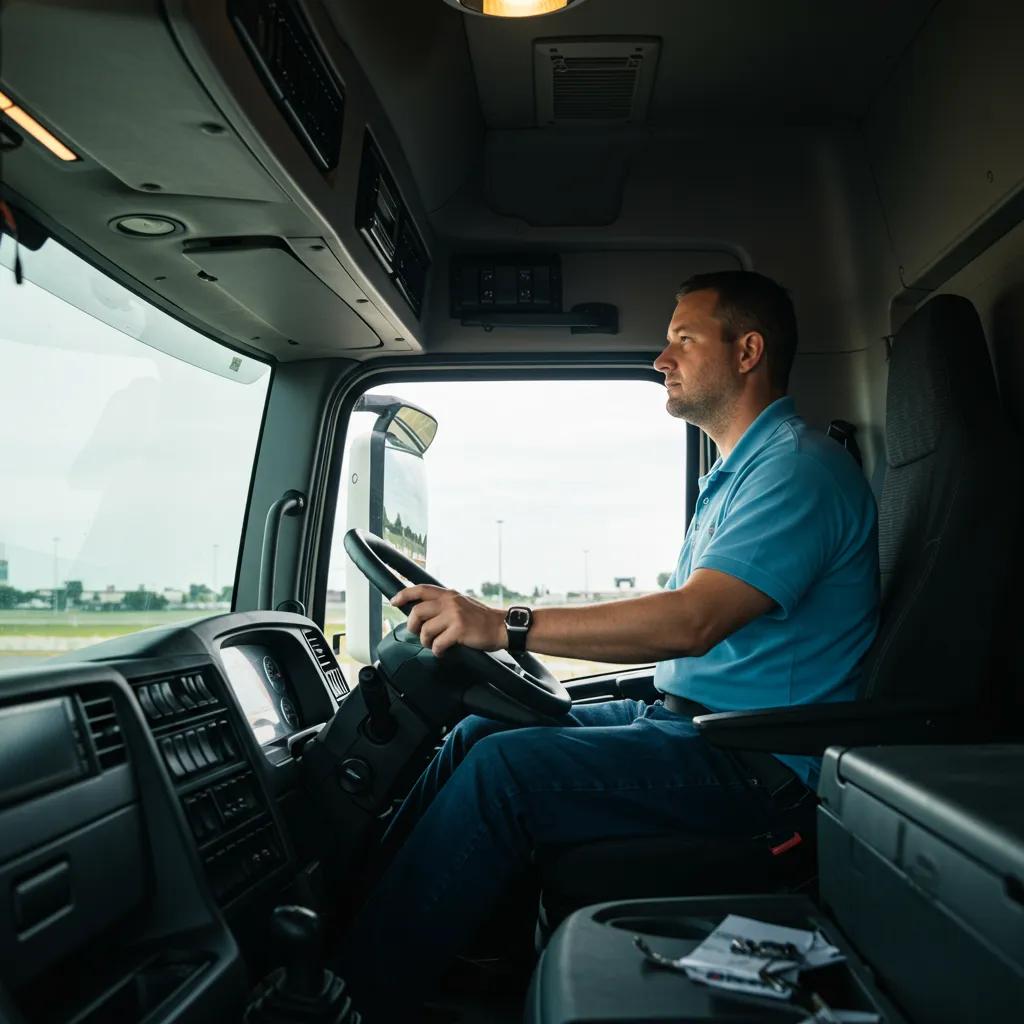
What Role Do Truck Drivers Play in Truck Accident Liability?
Truck drivers are at the forefront of commercial vehicle safety and can be held liable for negligence if their actions violate federal or state regulations. A truck driver can be found liable due to speeding, distracted driving (such as texting), operating under the influence, or failing to adhere to FMCSA Hours of Service (HOS) limits. When driver logs reveal violations, the doctrine of negligence per se may apply, simplifying the process of proving fault. A driver's decisions have a direct impact on the risk of a crash and an accident victim's eligibility for compensation.
How Are Trucking Companies Held Accountable Under Texas Law?
Trucking companies can be held liable for negligent hiring practices, inadequate training programs, poor vehicle maintenance, and failure to enforce FMCSA regulations. Under the principle of vicarious liability, employers are responsible for the misconduct of their drivers while on duty. Texas House Bill 19 further complicates company liability by requiring a two-phase trial process that separates evidence of negligence from evidence of damages. Carriers must demonstrate robust compliance programs to avoid full accountability for accidents.
Which Other Parties Can Be Held Liable in Texas Truck Accidents?
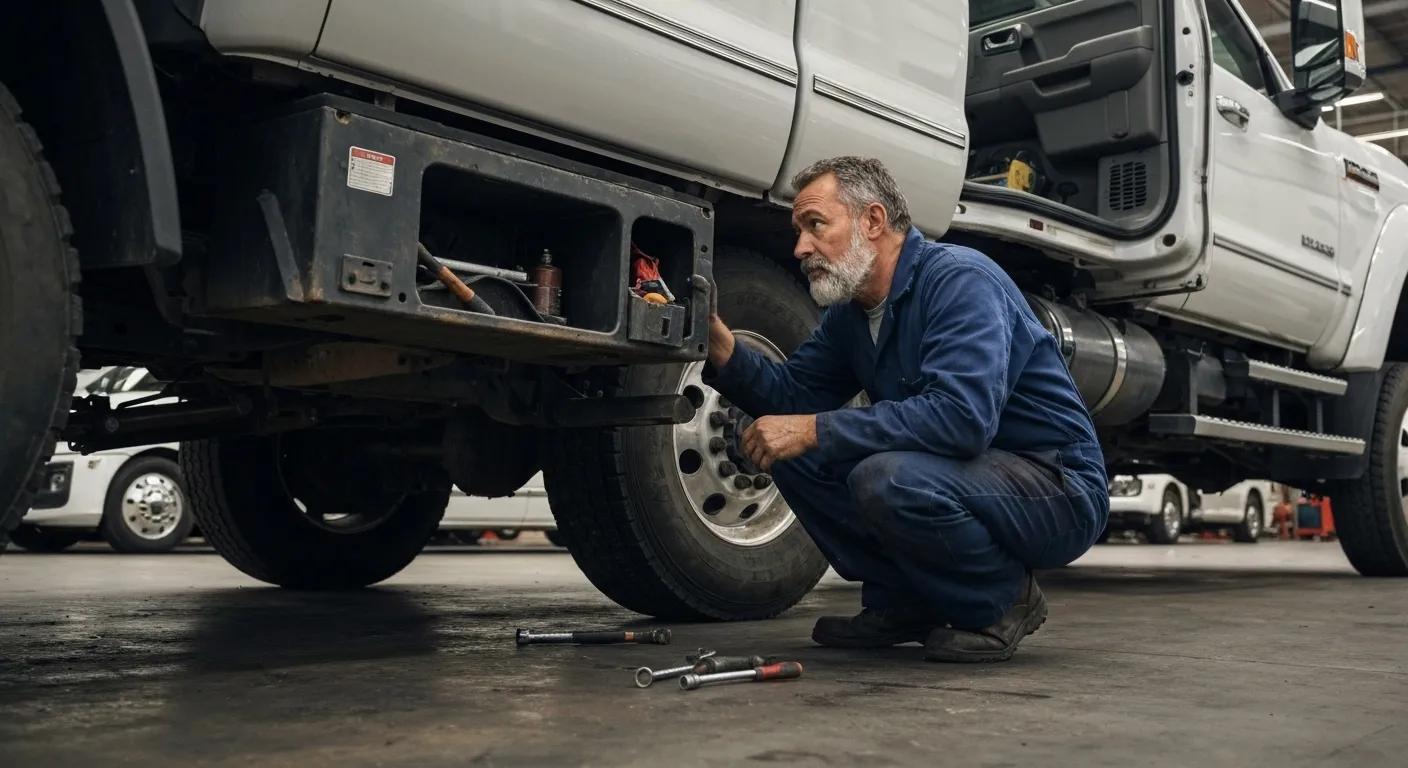
In addition to drivers and carriers, other parties such as cargo loaders, parts manufacturers, and maintenance contractors may share liability for a truck accident. Cargo loaders are responsible when improperly secured freight shifts, leading to a loss of vehicle control. Defective brake systems, faulty tires, or steering failures can implicate manufacturers. Maintenance shops and mechanics may face negligence claims if inspection records indicate that safety defects were ignored.
How Does Texas House Bill 19 (HB19) Impact Trucking Company Liability?
Texas House Bill 19 mandates a bifurcated trial for claims against trucking companies, where negligence is determined first, followed by damages. This law, effective September 2021, restricts the discovery of financial and punitive evidence until liability is established in the first phase. This procedural change encourages streamlined defenses and may delay victims' access to carriers' safety records until after fault has been determined.
What Are the Key FMCSA Regulations Affecting Truck Accident Claims in Texas?
Federal Motor Carrier Safety Administration (FMCSA) regulations govern the operations of commercial trucks and significantly influence liability claims in Texas. Key FMCSA rules address Hours of Service limits to prevent driver fatigue, mandate regular vehicle maintenance and inspections to ensure roadworthiness, establish drug and alcohol testing protocols to deter impairment, and set cargo securement standards to prevent load shifts. Violations of these regulations provide strong evidence for negligence per se claims, increasing the accountability of carriers and drivers in court.
Essential FMCSA requirements include:
Hours of Service (HOS) regulations governing driving and on-duty rest periods
Regular maintenance inspections and detailed repair documentation
Pre-employment, post-accident, and random drug and alcohol testing procedures
Cargo securement rules for trailers, containerized freight, and bulk loads
Strict adherence to these standards directly impacts how fault is determined and the outcomes of compensation claims.
How Do Hours of Service (HOS) Rules Influence Liability?
Hours of Service rules limit truck drivers to 11 hours of driving within a 14-hour on-duty period and require a 30-minute break after eight hours of driving. Exceeding these limits constitutes a federal violation and supports a negligence per se claim. Data from electronic logging devices (ELDs) often provides irrefutable evidence of HOS violations and driver fatigue, strengthening victims' cases.
What Are the Vehicle Maintenance and Inspection Requirements?
The FMCSA requires carriers to conduct daily pre-trip and post-trip inspections, document any identified repair issues, and perform comprehensive periodic maintenance. Failing to follow these inspection schedules or to record necessary repairs can be used to demonstrate negligence in maintaining safe equipment. Maintenance logs serve as critical proof that carriers neglected their legal duty of care.
How Do Drug and Alcohol Testing Regulations Affect Liability?
Mandatory drug and alcohol testing following certain safety-sensitive events, including accidents, can establish negligence per se if testing protocols are violated or results are concealed. Testing procedures cover pre-employment, random screenings, reasonable suspicion evaluations, and post-accident assessments. Noncompliance with these testing regulations strengthens a negligence case against both the driver and the carrier.
What Is the Role of Cargo Securement Rules in Truck Accident Liability?
Cargo securement regulations mandate that freight be properly blocked, braced, and fastened to prevent movement during transit. Violations, such as missing straps or overloaded trailers, can cause cargo shifts that destabilize the vehicle. Evidence of improper securement directly establishes liability for cargo loaders and carriers under FMCSA guidelines.
A violation of a specific safety statute designed to prevent accidents can lead to a finding of negligence per se, simplifying the burden of proof for injured parties.
Example: Negligence Per Se in Texas Truck Accidents: Statute Violations and Liability In Texas, the law requiress vehicles approaching a railroad crossing to stop not closer than 15 feet or father than 50 feet from the nearest rail..." A Texas Court theld that that a driver's failure to comply with the statute constituted negligence per se. Negligence per seis a legal doctrine that allows a court to treat the violation of a statute or ordinanceas automatically constituting a breach of the duty of care, rather than requiring the plaintiff to prove that the defendant acted unreasonably.
How Is Negligence Proven in Texas Commercial Truck Accident Lawsuits?
Demonstrating negligence in Texas commercial truck accident lawsuits requires proving that a breach of duty directly caused harm. Evidence typically includes electronic logging device (ELD) records, black box data, maintenance and inspection logs, police accident reports, and witness testimonies. Presenting clear causation between regulatory violations and the resulting injuries is key to a successful claim.
Type of Evidence
Purpose
Example
ELD / Black Box Data
Confirms Hours of Service compliance
Logs showing HOS overages
Maintenance Logs
Details inspection and repair history
Missing entry for brake repair
Police Crash Reports
Provides official accident details
Officer's assessment of fault
Witness Statements
Corroborates events and driver behavior
Eyewitness account of speeding
What Types of Evidence Are Crucial for Establishing Fault?
The most critical types of evidence include ELD data, black box recordings, maintenance and inspection logs, police crash reports, and cargo loading documentation. Collectively, this evidence demonstrates regulatory noncompliance, equipment failures, and driver misconduct.
How Does Texas’ Modified Comparative Negligence Rule Affect Claims?
Under Texas’ modified comparative negligence rule, an injured party can only recover damages if they are found to be 50 percent or less at fault for the accident. Any compensation awarded will be reduced by the injured party's percentage of fault. If a plaintiff is determined to be more than 50 percent responsible, they are barred from recovering any damages.
What Are the Different Legal Theories: Negligence, Vicarious Liability, and Negligence Per Se?
Negligence is based on proving that a party breached a duty of care, causing harm. Vicarious liability holds employers responsible for the actions of their employees within the scope of employment. Negligence per se occurs when a violation of a statute, such as an FMCSA rule, directly results in injury. Each of these theories offers a distinct pathway to establishing fault in truck accident cases.
What Damages Can Victims Recover in Texas Truck Accident Cases?
Victims of commercial truck accidents in Texas may be entitled to recover both economic and non-economic damages to compensate for their losses and suffering. Economic damages cover tangible financial losses, such as medical expenses, lost wages, and property damage. Non-economic damages address intangible losses like pain and suffering, emotional distress, and loss of consortium. In cases of wrongful death, additional damages may include funeral expenses and loss of support for surviving family members, as defined by state statutes.
Category of Damages
Examples
Purpose
Medical Expenses
Emergency care, rehabilitation services
Covers all past and future medical treatment costs
Lost Income
Wages, benefits, loss of future earning capacity
Compensates for income lost due to the injury
Property Damage
Vehicle repair or replacement costs
Restores the value of the damaged property to its pre-crash condition
Pain & Suffering
Physical pain, emotional trauma, mental anguish
Addresses subjective, non-economic harm experienced by the victim
Wrongful Death Losses
Funeral costs, loss of financial support for survivors
Provides for the economic needs of the deceased's family
What Are Economic Damages in Truck Accident Claims?
Economic damages encompass all quantifiable financial losses, including medical bills, prescription costs, physical therapy expenses, lost wages, loss of future earning capacity, and costs associated with vehicle repair or replacement. Each of these items must be documented and itemized to clearly demonstrate the actual financial losses incurred.
What Are Non-Economic Damages?
Non-economic damages are intended to compensate for losses that are not easily quantifiable in monetary terms. These include compensation for pain and suffering, mental anguish, emotional distress, and a diminished quality of life. While intangible, these losses are assessed through detailed testimony and established legal guidelines.
How Are Wrongful Death Claims Handled in Texas Truck Accidents?
Wrongful death lawsuits allow surviving family members to seek compensation for funeral and burial expenses, the loss of companionship and support from the deceased, and potential inheritance losses. Texas statutes specify who is eligible to file such claims and outline limitations on certain non-economic damages.
How Can a Texas Truck Accident Lawyer Help You Navigate Liability Laws?
A lawyer specializing in Texas truck accidents brings extensive knowledge of state and federal regulations to guide victims through the complexities of liability. By meticulously investigating crash scenes, securing critical data from ELDs and black boxes, examining maintenance records, and interviewing witnesses, an attorney can construct a robust liability case. Familiarity with Texas HB19 and comparative negligence rules ensures strategic navigation through each phase of the legal process.
At Howard Lotspeich Alexander and Williams, PLLC (HLAW), we possess significant experience in preserving vital evidence and negotiating with insurance companies to maximize compensation for our clients. Our compassionate approach ensures you remain informed throughout the process, while we aggressively pursue fair outcomes.
What Is the Importance of Legal Expertise in Complex Truck Accident Cases?
Legal expertise is crucial for correctly identifying all applicable FMCSA rules, Texas Transportation Code provisions, and civil practice statutes. Experienced attorneys can anticipate the defenses that trucking companies may present, effectively counter comparative fault arguments, and clearly articulate liability theories to judges and juries.
How Does a Lawyer Identify All Liable Parties?
Through thorough accident reconstruction, detailed review of maintenance logs, inspection of cargo securement records, and analysis of hiring and training documentation, attorneys can uncover additional parties who may share liability, such as shippers, manufacturers, or maintenance firms.
What Are the Benefits of Hiring Howard Lotspeich Alexander and Williams, PLLC?
Clients benefit from our firm’s proven history of success in 18-wheeler crash litigation, our unwavering commitment to comprehensive evidence preservation, and our personalized advocacy. Our deep understanding of Texas truck liability laws and FMCSA regulations positions victims to achieve the best possible recovery.
What Are Common Causes and Contributing Factors in Texas Truck Accidents?
Speeding, distracted driving, driver fatigue, mechanical failures, and improper cargo loading are primary factors contributing to truck crashes in Texas. Speeding reduces a driver's reaction time and intensifies the impact of collisions. Distracted driving, whether from mobile devices or other in-cab activities, impairs hazard recognition. Fatigue resulting from Hours of Service violations significantly increases the risk of accidents. Mechanical malfunctions, such as brake failures or tire blowouts, often stem from inadequate maintenance, while unsecured freight can shift, destabilizing the vehicle.
Common contributing factors include:
Excessive speed on both highways and urban roads
Use of mobile devices or other in-cab distractions
Hours of Service violations leading to drowsy driving
Defective vehicle parts or deferred maintenance
Improperly secured cargo causing load shifts
How Do Speeding and Distracted Driving Contribute to Liability?
Both speeding and distracted driving constitute a breach of the duty of care by increasing the risk and severity of accidents. The FMCSA and Texas law classify these behaviors as negligence, with evidence from GPS data, witness accounts, and accident reconstructions supporting claims of fault.
What Is the Impact of Fatigued Driving and Hours of Service Violations?
Driver fatigue significantly impairs alertness and reaction times, directly causing many severe truck accidents. FMCSA HOS logs document these violations, providing strong legal grounds for negligence per se claims against both drivers and carriers.
How Do Defective Parts and Improper Cargo Loading Lead to Accidents?
Mechanical defects, such as worn brake pads or faulty steering components, can lead to critical system failures while the vehicle is in operation. Similarly, unsecured or overloaded cargo can shift, altering the vehicle's weight distribution and potentially triggering rollovers or jackknife accidents, thereby implicating loaders and shipping entities in liability.
Understanding the complexities of cargo securement is crucial, as improper loading can lead to severe accidents and implicate multiple parties in liability.
Motor Carrier Crashes: FMCSA Inspection Violations and Load Securement
This paper is the fourth paper in a series of papers that analyzed results from a major damage assessment study that examined challenges products endure during shipping and handling in the mixed-load and less-than-truckload (LTL) logistics environments. The previous three papers are specific to various commodities, such as televisions, appliances, furniture, machinery, doors and windows, and paint products. These products are known to represent high levels of freight damage and corresponding claims to carriers. Products of different sizes and weights are loaded into trailers using various methods both mechanical and manual, by various algorithms to best weigh or cube out a trailer efficiently. However improper loading and lack of load securement inside the trailer can result in damage to both packages and the products they contain, and can lead to subsequent injury during unloading. The paper discusses improperly loaded trailers, and recommends proper loading methods.
Insights into motor carrier crashes: a preliminary investigation of FMCSA inspection violations, Y Gao, 2021
The historical context of cargo securement liability reveals a shift from carrier-centric responsibility to a more diffused model involving shippers and third-party logistics providers.
Texas Truck Accident Liability: Shipper and Carrier Cargo Securement Laws.
Under Texas law, cargo securement duties are informed by FMCSA regulationsadopted in Texas (49 C.F.R. Part 393, Subpart I; 37 Tex. Admin. Code § 4.11). Courts frequently apply the Savage rule, under which the carrier bears the primary duty for safe loading, while a shipperthat loads may be liable for latent, non-observable defectsit creates. Recent cases and commentary reflect that fault can be allocated among multiple actors(shipper, carrier, third-party loaders) under general negligence and comparative fault principles, rather than placed exclusively on one party.
What Are Recent Trends and Statistics in Texas Commercial Truck Accidents?
Texas consistently ranks highest in the nation for commercial truck crashes and fatalities, with over 35,000 reported incidents and more than 600 deaths in 2023 alone. Recent data indicates that speeding contributed to 38 percent of these crashes, distracted driving accounted for 28 percent, and intersections remained the most frequent site of collisions, accounting for 32.76 percent. Projections through 2025 suggest a continued rise in accident rates, driven by increasing freight volumes, the emergence of challenges related to autonomous truck technology, and persistent gaps in regulatory compliance. These trends highlight the critical need for thorough liability analysis and proactive legal representation.
Year
Crashes Reported
Fatalities
Key Trend
2022
34,150
585
Increased HOS violations observed
2023
35,000+
600+
Rising rates of speeding and confusion with automation
2024
36,200 (estimated)
620 (estimated)
Intersection accidents continue to be the most common type
How Has Texas Become a Leader in Truck Accident Fatalities?
A combination of heavy freight traffic, extensive rural highway networks, and insufficient rest areas contributes to driver fatigue and risky driving behaviors. Challenges in regulatory enforcement and the rapid growth of the trucking industry further increase the exposure to potential crashes.
What Are the Projected Trends for Trucking Accidents Through 2025 and Beyond?
Freight demand is anticipated to increase by over 22 percent by 2030. Simultaneously, the integration of autonomous systems and AI introduces new regulatory and safety complexities. Without enhanced compliance measures, accident rates are likely to continue their upward trajectory.
How Do Accident Locations Like Intersections Affect Liability Cases?
Collisions at intersections often involve intricate fault determinations, as both drivers and carriers may dispute right-of-way and braking capabilities. Detailed traffic signal data, analysis of skid marks, and witness interviews are essential for clarifying liability in these high-risk scenarios.
Victims dealing with the aftermath of a commercial truck crash require clear guidance on liability and compensation.
By understanding the roles of various parties, key FMCSA regulations, methods for proving negligence, and options for recovering damages, injured Texans can pursue fair outcomes. Expert legal counsel from Howard Lotspeich Alexander and Williams, PLLC ensures that every legal avenue is explored—from securing crucial black box data to advocating under Texas HB19—to maximize your recovery and hold those at fault accountable.
Contact Howard Lotspeich Alexander and Williams, PLLC today for a free case evaluation and consultation.
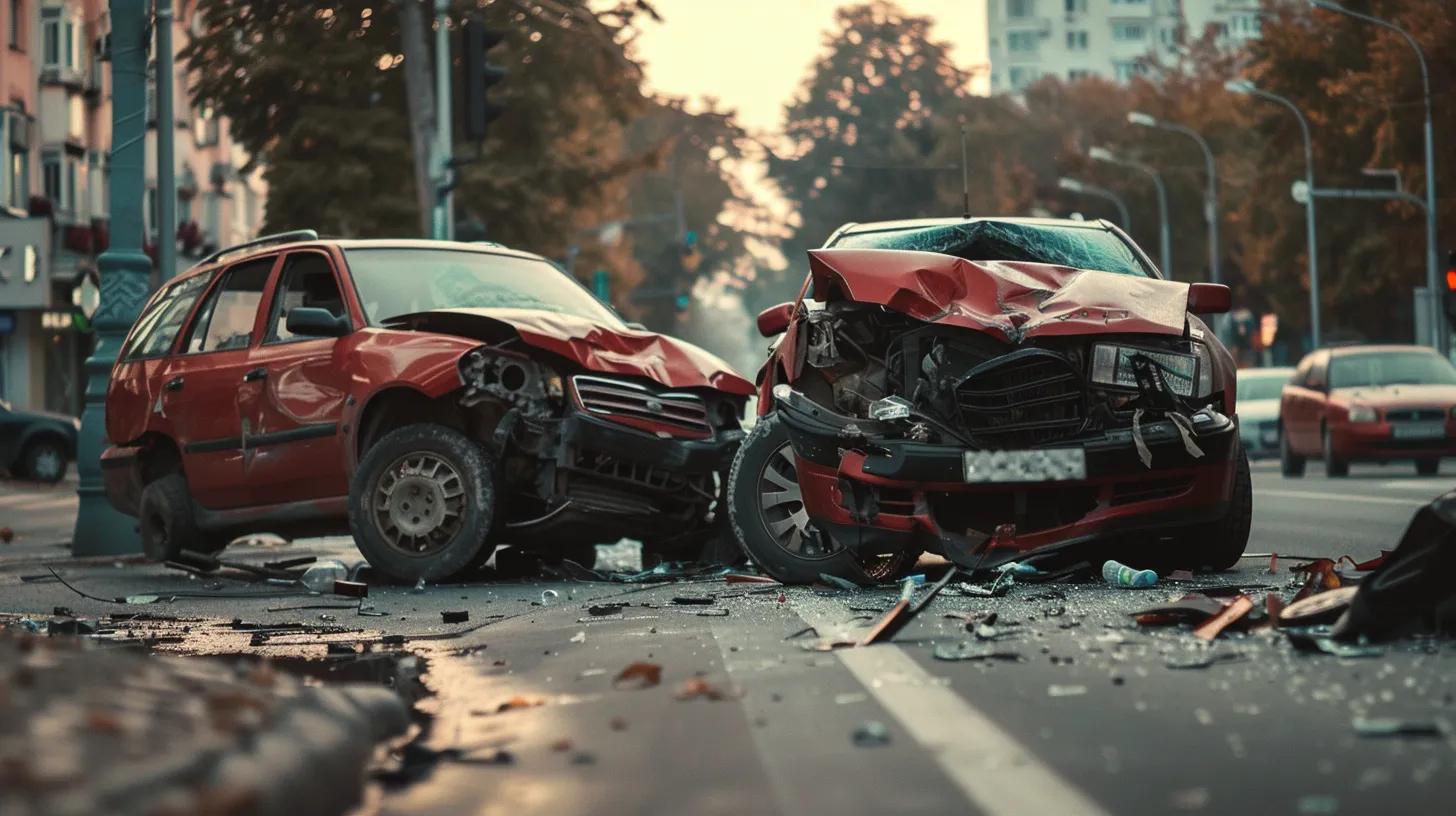
When an 18-wheeler collides with a passenger car, the results can be devastating. Learn why truck accident cases require specialized legal experience.
When a crash involves an 18-wheeler and a passenger car, the consequences are often life-changing. These cases are not simply larger versions of car accidents. They involve different physics, specialized federal trucking regulations, and complex legal claims.
At Howard Lotspeich Alexander & Williams, PLLC (HLAW), our team of experienced Texas truck accidentlawyers understands what makes these cases unique. Below, we explain the key factors that set truck-car collisions apart—focusing on the physics of big rigs, the urgency of preserving evidence, and the often catastrophic injuries suffered by passenger-vehicle occupants.
The Physics of 18-Wheeler Accidents
A fully loaded commercial truck can weigh up to 80,000 pounds, compared to 3,000–4,000 pounds for an average car. That massive size and weight dramatically change how these crashes occur.
Momentum and Force
At highway speeds, an 18-wheeler generates 20–30 times more momentum than a passenger car.
The energy transferred in a collision is exponentially higher, often causing devastating crush injuries to those in the smaller vehicle.
Stopping Distances
A loaded tractor-trailer traveling at 65 mph may require 500–525 feet to stop—nearly two football fields.
Any speeding, downhill travel, or poorly maintained brakes can lengthen that distance, reducing the driver’s ability to avoid a collision.
Blind Spots and Turning Radius
Big rigs have large “no-zones”—blind spots on all four sides where cars can disappear from the truck driver’s view.
Their wide turning radius and long stopping distance make them less maneuverable, especially in city traffic.
These physical realities explain why 18-wheeler crashes often cause more severe property damage and injuries than typical car accidents.
Preserving Evidence in Commercial Truck AccidentClaims
One of the biggest differences between a car-on-car accident and a trucking crash is the evidence involved—and how quickly it can disappear. A skilled 18-wheeler accidentattorney acts fast to preserve critical proof.
Time-Sensitive Evidence
Electronic Logging Devices (ELDs): Show hours-of-service compliance and potential driver fatigue. Many carriers are only required to keep these for six months.
Event Data Recorders (Black Boxes): Record speed, braking, steering, and throttle use seconds before the crash—often overwritten if not retrieved promptly.
Maintenance and Inspection Records: Reveal whether the truck was safe to operate.
Driver Qualification Files: Can show patterns of negligent hiring or supervision.
Dispatch Notes and Bills of Lading: May expose unsafe schedules or pressure to meet deadlines.
Dashcams and Third-Party Surveillance Footage: Often deleted or recorded over within days.
Spoliation Letters
An experienced Texas truck accidentlawyer will immediately send spoliation (evidence-preservation) letters to the trucking company and other parties. This legal step forces them to retain logs, electronic data, and other records that could prove negligence.
Failing to secure this evidence early can weaken a victim’s claim.
Why Injuries Are Typically More Severe
The immense force of a truck vs. car accident often leaves the smaller-vehicle occupants with catastrophic injuries. Common examples include:
Crush injuries, amputations, and severe orthopedic fractures
Internal organ damage and internal bleeding
Severe burns from fuel-related fires or explosions
Recovery can require:
Extensive surgeries and hospital stays
Long-term rehabilitation and assistive devices
Home modifications for disability access
Significant lost income and diminished future earning potential
These injuries often result in commercial truck accidentclaims that are far more substantial than those arising from car-on-car collisions—reflecting both the financial and human toll.
Legal Complexities Unique to Truck Accidents
Unlike most car accidents, truck crashes often involve multiple liable parties, including:
The truck driver
The trucking company or motor carrier
Freight brokers or shippers that set unrealistic deadlines
Maintenance or repair contractors
Manufacturers of defective truck components
Trucking companies and their insurers are also subject to federal regulations enforced by the FMCSA (Federal Motor Carrier Safety Administration), covering hours of service, vehiclemaintenance, and safety compliance.
These layers of liability and regulation make it essential to have a skilled 18-wheeler accidentattorney who can identify all responsible parties and pursue every avenue of compensation.
Why You Need an Experienced Texas Truck AccidentLawyer
A serious truck crash is not just another motor-vehicle accident claim. It requires:
Immediate investigation and evidence preservation
Accident reconstruction experts to analyze skid marks, impact angles, and black-box data
Deep knowledge of federal trucking laws and safety standards
Experienced negotiation and trial skills to counter large insurance companies
At Howard Lotspeich Alexander & Williams, PLLC (HLAW), our attorneys understand how to build strong commercial truck accidentclaims by acting quickly, leveraging experts, and fighting for the full value of our clients’ damages.
Compassionate Support for TruckAccident Victims
After a severe truckaccident, victims and their families often face a long recovery and enormous expenses. Our team is committed to handling the legal battle so you can focus on healing.
If you or a loved one has been hurt in a collision with a commercial truck or 18-wheeler, contact HLAW today for a free consultation. We’ll explain your rights and help you pursue the compensation you deserve.
About the Author
Jason Howard is a founding partner at Howard Lotspeich Alexander & Williams, PLLC (HLAW) in Fort Worth, Texas. A seasoned Texas truck accidentlawyer and trial attorney, Jason has more than two decades of experience representing victims of catastrophic injuries and wrongful deaths caused by negligent drivers and trucking companies.
Recognized for his skill in the courtroom and his commitment to compassionate, client-focused advocacy, Jason has been named to Texas Super Lawyers every year since 2015. He draws on a deep understanding of both state and federal trucking regulations to build strong cases that hold commercial carriers accountable.
Beyond his legal achievements, Jason is committed to guiding injured clients and their families through every step of the recovery process—ensuring they feel supported, informed, and empowered.
When grocery delivery drivers like those for Instacart or DoorDash cause a crash, knowing whose insurance applies can make all the difference
Grocery and meal delivery services like Instacart and DoorDash have made life more convenient. But when one of their drivers causes an accident, victims are often left wondering: who pays for the damages?
The answer depends on how the accident happened, the driver’s insurance coverage, and whether the driver was “on the clock” at the time of the crash.
In this post, the team at Howard Lotspeich Alexander & Williams, PLLC (HLAW) explains how Texas law handles these claims, what insurance policies may apply, and the steps you should take after such an accident.
The Basics: Delivery Drivers Are Often Independent Contractors
Most drivers for Instacart and DoorDash are independent contractors, not employees. This classification has been a subject of ongoing legal debate, but for now, it significantly impacts liability in accident cases.
This distinction matters because:
Employers are usually liable for their employees’ negligence while on the job.
Companies that rely on independent contractors often try to avoid direct liability.
Instead, victims often need to pursue the driver’s personal auto insurance, the company’s commercial coverage (if available), or sometimes both.
Whose Insurance Applies?
Here’s how insurance responsibility typically breaks down:
However, many personal auto policies exclude coverage for accidents that happen while the driver is using their car for commercial purposes, like food or grocery delivery. This is known as a "commercial use exclusion" or "business use exclusion." If a driver's personal policy denies a claim due to this exclusion, it can leave victims without immediate recourse from the driver's primary insurer.
Some drivers purchase a "rideshare endorsement" or "hybrid policy" from their personal insurer to cover this gap. This add-on extends coverage to periods when they are logged into a delivery app but haven't yet accepted an order, or are waiting for one. However, many drivers do not carry this additional coverage, making the company's commercial policy crucial.
2. Instacart and DoorDash Commercial Policies
Both Instacart and DoorDash provide contingent liability coverage, but the details differ significantly based on the "period" of the driver's activity. This coverage typically acts as a secondary layer, kicking in only after the driver's personal insurance is exhausted or denied due to a commercial exclusion.
Delivery Service Insurance Coverage Comparison
Coverage Period
Driver's Personal Policy
Instacart Commercial Policy
DoorDash Commercial Policy
**Period 0: App Off** (Not logged in)
Applies (standard personal coverage)
Does NOT apply
Does NOT apply
**Period 1: App On/Waiting for Order** (Logged in, no accepted order)
May be excluded (commercial use); Rideshare endorsement needed
**No coverage** provided by Instacart
**No coverage** provided by DoorDash
**Period 2: En Route to Pickup** (Accepted order, driving to store/restaurant)
May be excluded (commercial use); Rideshare endorsement needed
Up to $1 million in excess liability coverage
Up to $1 million in excess liability coverage (driver's personal policy must be exhausted first)
**Period 3: During Delivery** (Picked up order, driving to customer)
May be excluded (commercial use); Rideshare endorsement needed
Up to $1 million in excess liability coverage
Up to $1 million in excess liability coverage (driver's personal policy must be exhausted first)
3. Your Own Auto Policy
If you carry uninsured/underinsured motorist (UM/UIM) coverage or personal injury protection (PIP), these benefits may also help cover your medical bills, lost wages, or other expenses—especially if the delivery driver’s coverage is inadequate or if their policy denies the claim. UM/UIM coverage is particularly valuable when dealing with drivers whose personal policies exclude commercial use or whose company coverage has limitations.
Understanding the 'Periods' of Delivery Driving
As highlighted in the table above, insurance coverage for delivery drivers is highly dependent on their activity at the exact moment of the accident. These "periods" are critical:
App Off (Period 0): The driver is not logged into the delivery app. Only their personal auto insurance applies.
App On/Waiting for Order (Period 1): The driver is logged into the app and available to accept orders but has not yet accepted one. During this period, neither Instacart nor DoorDash typically provides commercial coverage. The driver's personal policy may deny coverage due to commercial use, creating a significant "gap" unless they have a specific rideshare endorsement.
En Route to Pickup (Period 2): The driver has accepted an order and is on their way to the store or restaurant to pick it up. Both companies' commercial policies generally offer contingent liability coverage during this phase.
During Delivery (Period 3): The driver has picked up the order and is en route to the customer's delivery address. This is also covered by the companies' commercial policies.
Determining which period the driver was in at the time of the crash is often a key point of contention in these cases, requiring careful investigation of app logs and other evidence.
Proving Liability
To recover damages, you’ll need to establish that:
The delivery driver’s negligence caused the accident. This could include actions like distracted driving (e.g., looking at the delivery app, texting), speeding, failing to yield, running a red light, or driving under the influence.
The driver was “on the clock” for Instacart or DoorDash at the time of the crash, specifically in Period 2 or 3, to trigger the company's commercial policy.
Police reports, delivery app logs (which can be subpoenaed), dashcam footage, traffic camera recordings, and witness statements can be critical evidence in proving both negligence and the driver's active status.
If you’ve been injured in a crash involving a delivery driver:
Call 911 and get a police report.
Seek medical attention right away—even for seemingly minor injuries.
Gather information at the scene: driver’s license, insurance details, delivery app status, and witness contact info.
Take photos and videos of the vehicles, the scene, and your injuries.
Avoid giving recorded statements to insurance companies without legal guidance.
Contact an experienced (and proven) personal injury attorney who understands the nuances of delivery driver accidents.
Why These Cases Are Complex
Delivery-related accidents often involve multiple insurance policies, overlapping coverage periods, and disputes over who was responsible at the time of the accident.
At HLAW, we’ve seen firsthand how insurance companies may delay, deny, or minimize valid claims—especially when a large delivery platform is involved.
How HLAW Can Help
Our Fort Worth-based personal injury attorneys focus on:
Investigating all available insurance policies
Gathering evidence of the driver’s active status at the time of the accident
Negotiating aggressively with insurers for full compensation
Taking cases to court if needed to protect your rights
We’re committed to compassionate, client-focused representation so you can focus on healing while we pursue the recovery you deserve.
Final Thoughts
Being injured in an accident with an Instacart or DoorDash driver can be overwhelming, especially when you’re unsure whose insurance will cover your losses. The good news is, you don’t have to face the process alone.
If you or a loved one has been hurt in a delivery driver accident in Fort Worth or anywhere in Texas, reach out to HLAW for a free consultation.
We’ll guide you through your options and fight to secure the compensation you need for medical bills, lost wages, and other damages.
About the Author
Jesse J. Lotspeich is a seasoned trial attorney and partner at Howard Lotspeich Alexander & Williams, PLLC, where he leads the firm’s Personal Injury practice.
Raised in the small West Texas town of Crane, Jesse was instilled early with a strong work ethic and a sense of duty to others. After earning his B.A. cum laude from Howard Payne University and his J.D. from Texas Tech University School of Law, Jesse went to work in Fort Worth. For over 12 years, he worked at the Law Office of James Stanley handling complex accident and injury cases before joining HLAW as a partner.
Jesse specializes exclusively in personal injury litigation, and he carries that focus into every case—whether it’s catastrophic auto or trucking accidents, wrongful death, workplace injuries, or defective products. Known for being a staunch advocate in the courtroom, he personally handles depositions, case investigations, and all trial-level work, never shying from a fight on behalf of his clients.
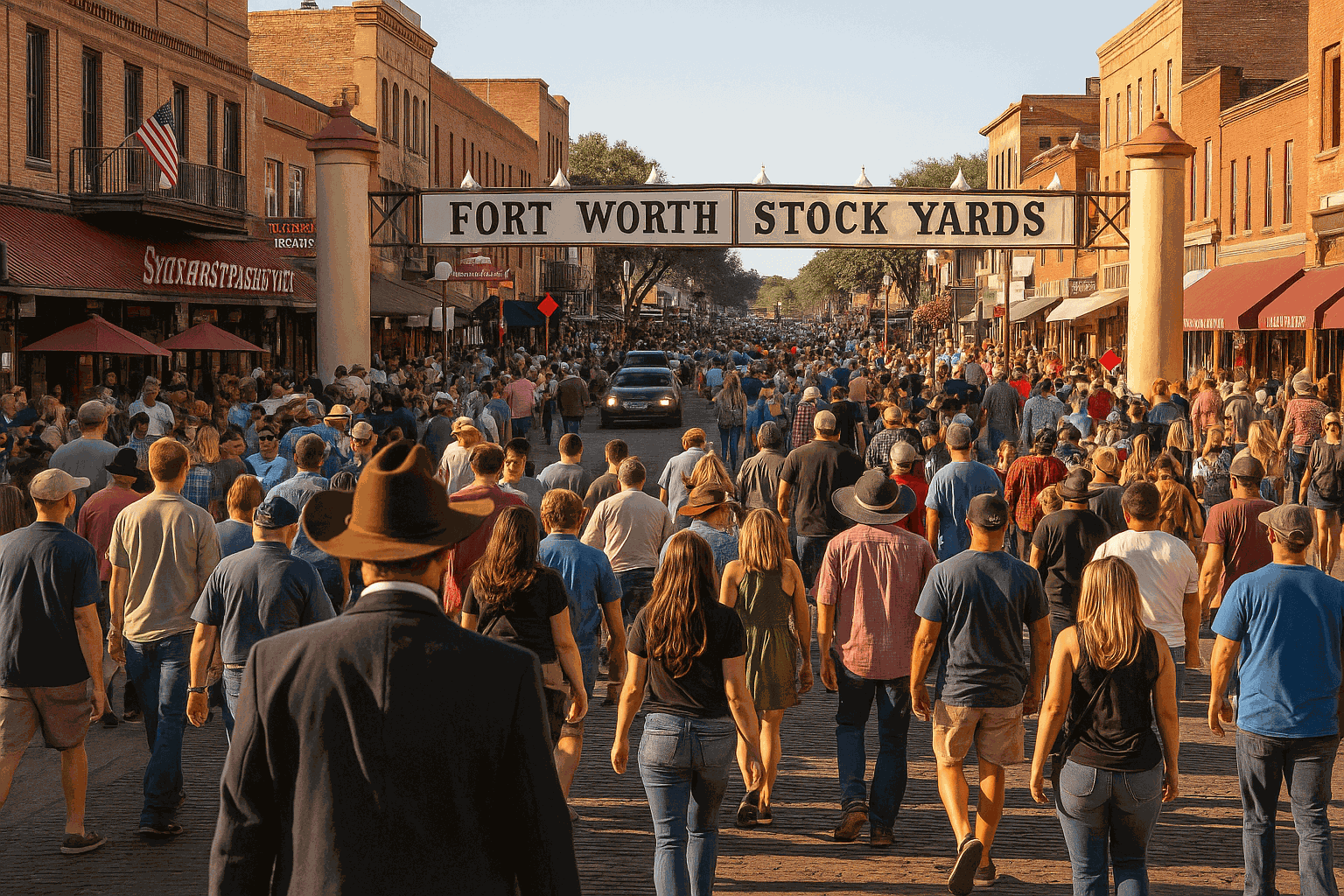
The Fort Worth Stockyards and downtown areas pose unique risks for pedestrians due to heavy crowds, tourist activity, and mixed vehicle traffic.
Fort Worth Pedestrian Accidents: Asserting Your Rights and Securing Comprehensive Recovery
Fort Worth has seen a concerning rise in pedestrian injuries, escalating over 27 percent in five years. This trend highlights the critical need for victims to understand their rights and pursue fair compensation. If you've been injured, you're likely facing overwhelming medical bills, lost income, and emotional distress. Texas law offers different recovery avenues, and our firm is ready to guide you. This guide details common causes of pedestrian accidents, legal principles of right-of-way and negligence, types of damages, steps after an accident, and the role of an experienced Fort Worth pedestrian accident lawyer. We also cover dangers in the Fort Worth Stockyards and downtown areas, the impact of drunk driving, and filing deadlines to protect your rights.
Understanding Fort Worth Pedestrian Accidents: Causes and Risks
What Fuels Pedestrian Accidents in Fort Worth?
Our experience shows that distracted drivers create significant risks for pedestrians, drastically reducing reaction time. A quick glance at a phone can mean the difference between spotting a pedestrian and causing an accident. Driving under the influence of alcohol profoundly impairs judgment, leading to catastrophic decisions. Excessive speed further shrinks reaction time. Recognizing these behaviors is paramount to understanding driver negligence and establishing liability.
Fort Worth's High-Risk Zones for Pedestrians – Targeted Insights
The Fort Worth Stockyards and downtown intersections are high-risk zones due to heavy foot traffic and complex vehicle movements. In the Stockyards, narrow streets, dense tourist crowds, and events and festivals create unpredictable encounters. Downtown's bustling streets, rush-hour commuters, and frequent ride-share drop-offs also contribute to higher collision risks. Identifying these areas helps victims pinpoint incident circumstances for compensation.
How Local Safety Efforts Influence Accident Rates – Advocacy Perspective
Vision Zero Fort Worth aims to eliminate traffic fatalities through street redesign and infrastructure improvements. Walk Fort Worth enhances pedestrian safety by addressing sidewalk gaps and improving crosswalk visibility. High-visibility signals and curb extensions have reduced collisions by an estimated 15 percent since 2023. These programs show how planning and enforcement reshape risk and highlight the municipality's duty of care, which our firm investigates.
Your Legal Rights as a Pedestrian Accident Victim in Fort Worth and Texas
Texas Pedestrian Laws and Right-of-Way Essentials – Our Definitive Interpretation
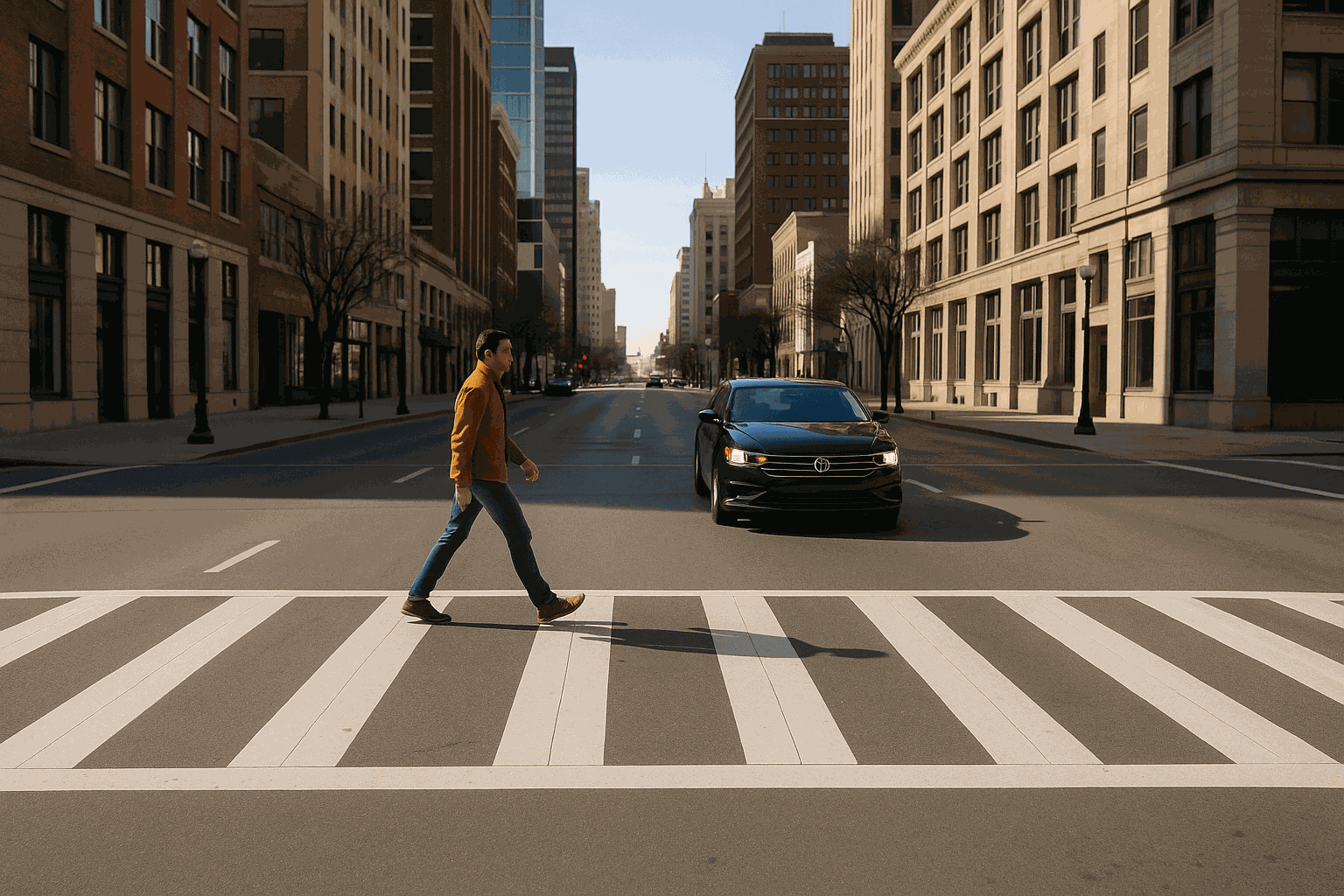
Texas Transportation Code § 552.003 states pedestrians in marked or unmarked crosswalks at intersections have absolute right-of-way. Drivers must yield and proceed cautiously. Failing to yield to a pedestrian in a downtown crosswalk, for example, violates state law and incurs significant liability. Asserting these rules is fundamental to proving your entitlement to compensation.
Establishing Negligence in Fort Worth Pedestrian Collisions – Legal Approach
Negligence occurs when a driver fails their duty of care to pedestrians. Our firm proves negligence by demonstrating four elements: (1) the driver had a legal duty, (2) they breached it, (3) the breach caused the accident, and (4) the collision resulted in your injuries. For instance, if a speeding or distracted driver hits a pedestrian in a marked Stockyards crosswalk, it clearly shows a breach of duty and causation, forming the basis for a successful personal injury claim.
Understanding Modified Comparative Negligence and Its Impact on Claims
Modified comparative negligence allows injured parties to recover damages even if partially at fault (50% or less). Your compensation is reduced by your fault percentage; over 50% fault bars recovery. Our attorneys strategically minimize assigned fault to maximize your recovery. For example, a pedestrian 30 percent at fault for stepping into the street mid-block can still recover 70 percent of damages. This principle could significantly influences claim outcomes.
Injury Threshold
Compensation Adjustment
Eligibility
25% or Less Pedestrian Fault
Full potential award minus pedestrian's share of fault
Eligible for full damages, reduced by fault percentage
26%–50% Pedestrian Fault
Award reduced proportionally by fault percentage
Eligible, but compensation is reduced
Over 50% Pedestrian Fault
No recovery available
Claim is barred
Types of Injuries and Compensation for Fort Worth Pedestrian Victims – A Comprehensive Valuation
Common Injuries Sustained in Pedestrian Accidents – Medical-Legal Insight
Pedestrian collisions often cause severe injuries like traumatic brain injuries (TBIs), spinal cord damage, broken bones, and extensive soft tissue trauma. TBIs can lead to long-term cognitive issues, spinal cord injuries may require lifelong care, and fractures demand intensive treatment. Understanding these patterns is crucial for accurately valuing damages and pursuing all eligible compensation.
Economic Damages Available for Recovery – Meticulous Calculation
Economic damages reimburse direct, quantifiable financial losses, including medical expenses, lost wages, and rehabilitation costs. Our firm meticulously accounts for every expense to restore victims' financial stability.
Wages missed due to injury, potential future loss of earning capacity
Varies by profession
Rehabilitation
Physical therapy, necessary assistive devices, long-term care
$20,000–$50,000
Non-Economic Damages for Pedestrian Injuries – Our Advocacy for Intangible Losses
Non-economic damages address profound, intangible harms like physical pain and suffering, severe emotional distress, and loss of consortium. Pain and suffering covers physical agony, emotional distress covers psychological impacts, and loss of consortium acknowledges diminished companionship. Expertly valuing these elements ensures comprehensive compensation reflecting both physical and emotional tolls.
When Wrongful Death Claims Apply in Pedestrian Accidents – HLAW's Compassionate Yet Rigorous Pursuit of Justice
A wrongful death claim can be filed when a pedestrian fatality results from another party's negligence. Eligible surviving family members can seek compensation for funeral expenses, loss of financial support, and loss of companionship. Texas law mandates filing within two years of death, making prompt legal action crucial. Proving the driver's breach of duty directly caused the fatality provides essential support to grieving families.
Immediate Steps After a Fort Worth Pedestrian Accident
Prioritizing Your Health and Legal Rights Post-Accident – Our Essential Directives
After a collision, immediately seek medical attention for injury evaluation and documented treatment. Call 911 for an official police report and remain at the scene, but never admit fault. These actions secure health records and build evidence for your compensation claim.
Ensure your safety and move out of traffic if possible.
Check for injuries and call 911 immediately.
Do not admit fault or apologize to anyone.
Exchange information with the driver (name, insurance, license plate).
Get contact details from any witnesses.
Take photos of the scene, vehicle damage, and your injuries.
Cooperate with police and ensure an official report is filed.
Gathering and Preserving Crucial Evidence
Document the accident scene with photos of the location, vehicle damage, skid marks, and signals. Collect witness contact information and preserve clothing or personal items. This evidence is critical for linking driver negligence to your injuries, enabling your Fort Worth pedestrian accident lawyer to build a compelling case.
When and Why to Contact an experienced Fort Worth Pedestrian Accident Lawyer – Our Urgent Recommendation
Engaging experienced legal counsel (who handle these types of claims on a regular basis) early is essential to preserve evidence and protect against aggressive insurance company tactics. Our attorneys evaluate your case, negotiate with insurers (often on a contingency fee basis), and handle legal filings, allowing you to focus on recovery. Early involvement often leads to more favorable settlement offers and a clearer path to resolution, whether through negotiation or litigation.
How a Fort Worth Pedestrian Accident Lawyer Can Help You Get Compensation – Our Unmatched Advocacy
Investigating and Proving Liability in Pedestrian Cases
Our attorneys meticulously reconstruct accident dynamics by analyzing the scene, consulting expert witnesses, and reviewing surveillance footage to link driver negligence to your injuries. We gather medical records and economic losses to precisely quantify damages.
Negotiating with Insurance Companies: Effective Strategies and our Aggressive Representation
Our skilled negotiators present comprehensive demand packages, strategically use comparative negligence laws, and counter lowball settlement offers with expert assessments of long-term care and future losses. This approach enhances leverage and expedites the claims process for the best outcome.
The Advantages of Legal Representation and Litigation – Our Courtroom Readiness
Legal representation from our firm provides an unwavering advocate if insurers refuse a reasonable settlement. Our contingency fee arrangements align our interests with your recovery. Litigation compels evidence disclosure and applies pressure through the potential of a trial verdict. Professional legal counsel simplifies complex procedures and shields you from missteps, ensuring a robust defense of your claim.
Unique Challenges and Rights in Fort Worth Stockyards Pedestrian Accidents – Specialized Local Knowledge
Common Hazards in the Fort Worth Stockyards Area
Common Hazard
Characteristic
Impact
Cattle Drives and Special Events
Unscheduled street crossings
Sudden conflicts between pedestrians and riders
Trolley/Bus Operations
Fixed-track/route vehicles
Limited escape routes for drivers
Tourist Crowds
High foot traffic near shops
Increased instances of jaywalking
The Fort Worth Stockyards presents unique hazards. Cattle drives and special events create sudden conflicts, trolley and bus operations limit escape routes, and dense tourist crowds increase jaywalking. These conditions elevate the duty of care for drivers and the municipality in historic districts.
Pedestrian Rights in Tourist and Historic Districts: Key Differences – A Nuanced Legal Perspective
Historic preservation regulations can limit infrastructure modernization, requiring pedestrians to rely on existing crosswalks. Municipal negligence may arise if narrow sidewalks or faded markings fail safety standards in high-volume tourist areas. A pedestrian adhering to signs retains full right-of-way protection, and any failure by authorities to uphold their duty of care can support a strong legal claim. Collisions frequently occur when distracted drivers fail to yield at cattle-drive detours, ride-share vehicles obstruct walkways, or impaired drivers misjudge pedestrian density during evening events. These patterns guide our tailored legal strategies.
Distinguishing Downtown Fort Worth Pedestrian Accident Claims
Common Causes of Pedestrian Accidents Downtown
Downtown accidents often stem from pervasive distracted driving, failure to yield at unmarked crossings, and speeding. Heavy traffic and ride-hail services complicate pedestrian movement, increasing collision likelihood near transit hubs. Downtown crosswalks are rigorously governed by Texas Transportation Code right-of-way rules, mandating drivers stop for pedestrians. Intersection designs like countdown signals enhance pedestrian visibility. Drivers disregarding signals violate their statutory duty and are liable for injuries.
Downtown Fort Worth's Most Dangerous Intersections for Pedestrians
Houston and Fifth Streets: A convergence of limited sightlines and heavy traffic, demanding extreme caution.
Main and Weatherford Streets: Characterized by complex turn lanes and high ride-share activity, posing elevated risks.
Commerce and Taylor Streets: Located near nightlife areas with frequent instances of impaired driving, making them particularly hazardous.
Awareness of high-risk intersections helps establish location-specific negligence and strengthens claims.
The Impact of Drunk Driving on Fort Worth Pedestrian Accident Claims
Legal Repercussions of Drunk Driving in Pedestrian Accidents – Our Firm's Stance
Operating a vehicle with a Blood Alcohol Content (BAC) of 0.08 percent or higher is a severe criminal offense in Texas. If a pedestrian is injured or even killed, the driver may face intoxication assault or manslaughter charges. Criminal convictions bolster civil claims by providing clear evidence of a willful breach of duty, potentially entitling victims to substantial punitive damages under Texas law.
Pursuing Enhanced or Punitive Damages in Drunk Driving Cases – Our Strategy for Maximum Recovery
Victims can pursue significant punitive damages by proving the driver's intoxication constituted gross negligence or reckless disregard for safety. This punishes wrongdoers and deters future egregious conduct. Our firm is highly experienced in securing these enhanced awards.
Punitive Criteria
Requirement
Outcome
Reckless Conduct
BAC above the legal limit, or evidence of impairment
Potential for an enhanced damage award
Knowingly Intoxicated
Admission of intoxication or confirmed test results
Possibility of tripling compensatory damages
The Role of Drunk Driving in Fort Worth Pedestrian Fatalities
Drunk driving contributes to nearly one in four pedestrian fatalities in Tarrant County. Impaired drivers often fail to yield and misjudge pedestrian speeds, leading to catastrophic outcomes. This correlation is vital for both criminal prosecutions and civil claims, allowing families to seek aggravated damages when intoxication causes fatal incidents.
Statute of Limitations and Filing Deadlines for Texas Pedestrian Injury Claims
Your Deadline to File a Pedestrian Accident Lawsuit in Fort Worth – A Critical Reminder
Texas law imposes a strict two-year statute of limitations for filing personal injury lawsuits, and also for wrongful death claims from the date of death. Missing these deadlines will almost certainly bar you from seeking compensation, making prompt consultation with our firm essential. While narrow exceptions exist, they are rarely granted, underscoring the paramount importance of adhering to these critical deadlines.
If you've been injured as a pedestrian in the Fort Worth Stockyards or downtown, Texas law provides strong protections and avenues for compensation when driver negligence causes harm. Partnering with a dedicated Fort Worth pedestrian accident lawyer from our firm is crucial for navigating complex right-of-way statutes, negligence principles, and comparative fault rules. By taking timely legal action and preserving evidence, you can maximize your recoverable damages and secure comprehensive support for your recovery. Act promptly to protect your rights and pursue the full compensation you are entitled to.
About the Author
Luke Williams is a distinguished Partner at Howard Lotspeich Alexander & Williams, PLLC (HLAW), advocating for victims of personal injury, including those involved in pedestrian accidents. With unparalleled expertise and extensive experience in Texas law and courtroom litigation, Luke is committed to ensuring his clients understand their rights and receive the full, just compensation they deserve. His deep understanding of negligence principles, comparative fault rules, and local Fort Worth legal nuances makes him a formidable and highly respected advocate for injured pedestrians seeking justice.
Get a Free Case Evaluation Today – Assert Your Rights Now
If you or a loved one has been injured in a pedestrian accident in Fort Worth, do not navigate the complex legal process alone. Contact Howard Lotspeich Alexander & Williams, PLLC (HLAW) for a free, no-obligation consultation. Our experienced and authoritative team is ready to rigorously review your case, clearly explain your options, and aggressively fight for the maximum compensation you deserve.
Your rights come first. We’re here to fight for the full compensation you deserve and help you move forward with confidence.